4 loneliest animals in the world
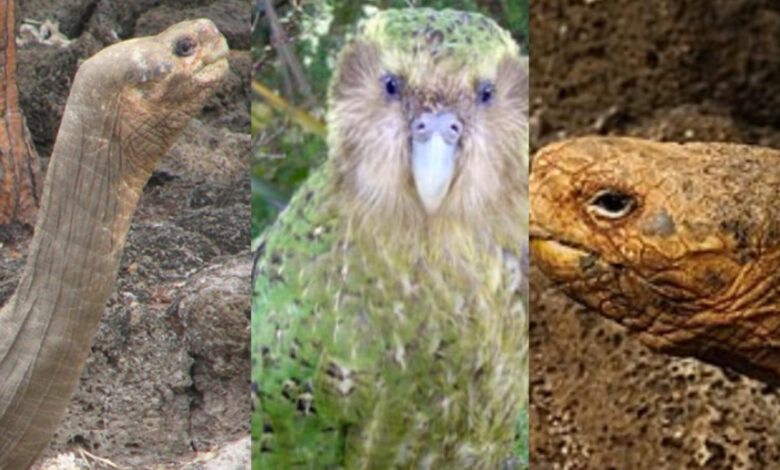

3 min readNew DelhiJan 29, 2026 10:00 PM Loneliness in the animal kingdom is not always about feelings. Sometimes, it happens because of geography, biology, or human actions. Some animals naturally live alone, but others are forced into isolation habitat loss, climate change, or shrinking populations. A few have become symbols of extinction, spending their lives alone. Here are five of the world’s loneliest animals — they do not choose to be alone; it is simply all that is left.
1. Lonesome George (Pinta Island tortoise)
Lonesome George was the last known Pinta Island tortoise and is perhaps the most famous symbol of loneliness. It was discovered in 1971 on Ecuador’s Galápagos Islands and lived alone for decades, despite conservations’ efforts to find it a mate. When it died in 2012, its subspecies became extinct, making it a global reminder of a loss that cannot be undone.
2. The 52-Hertz whale
Often called “the loneliest whale in the world,” this mysterious whale sings at a frequency unlike any other known whale species. First detected the US Navy, its unusually high-pitched call means it likely cannot communicate with other whales. Though it migrates alongside them, its voice may never be heard — a haunting example of isolation in the vastness of the ocean.
3. Kakapo (critically endangered parrot)
Kakapo (Photo: Wikipedia)
The kakapo, a flightless parrot native to New Zealand, is one of the rarest birds on Earth. With fewer than 300 individuals remaining, many live on predator-free islands under constant human monitoring. Their low numbers and slow breeding cycles mean long periods of isolation, making survival a lonely and fragile affair.
4. Diego the giant tortoise
While Diego’s story is more hopeful, its loneliness was real for decades. One of the last surviving Española giant tortoises, Diego lived in captivity before being reintroduced into a breeding programme. For years, it represented the fate of an entire species resting on a single animal — a heavy solitude shaped extinction’s edge.
When loneliness isn’t a choice
Unlike humans, animals don’t seek companionship for comfort alone — social bonds are critical for survival, learning, and reproduction. When populations collapse or habitats fracture, isolation becomes a biological threat. These loneliest animals remind us that extinction doesn’t happen all at once; it unfolds quietly, individual individual. Their stories are not just about solitude, but about responsibility — and the thin line between survival and disappearance.