5 Animals That Are Better at First Aid Than You Are
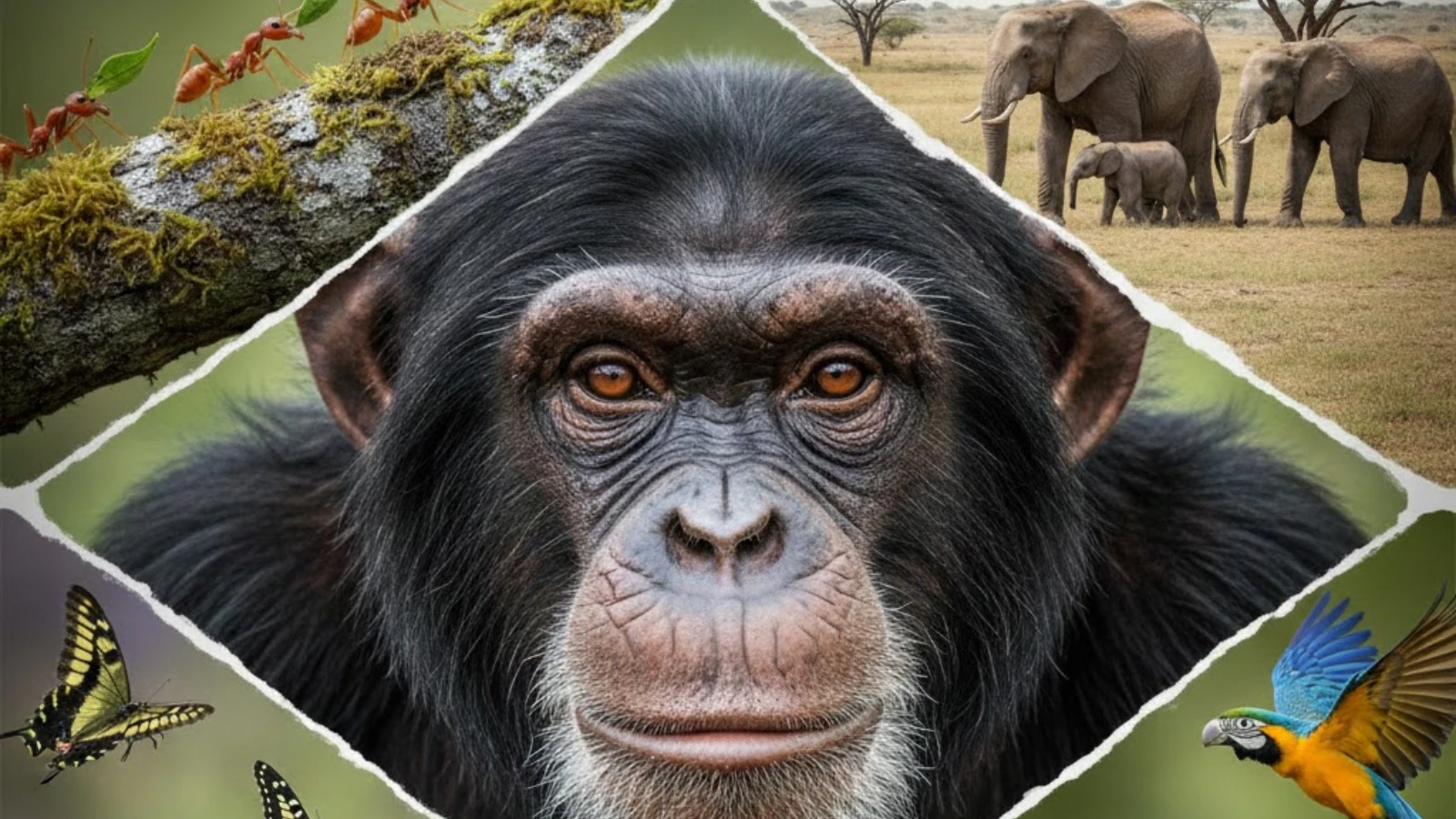

3 min readNew DelhiFeb 6, 2026 04:00 PM Humans aren’t the only ones who know how to heal themselves. In the wild, animals have been observed selecting certain plants, insects, and even minerals to treat infections, alleviate pain, and prevent disease. This behaviour, called zoopharmacognosy, shows how instinct, evolution, and learning help animals survive without doctors or pharmacies.
Let’s look at five animals that have learned how to treat themselves.
1. Chimpanzees
A chimpanzee (Photo: Wikipedia)
Chimpanzees in Africa have been observed chewing the bitter leaves of Vernonia amygdalina when they are ill. These leaves have antiparasitic and antibacterial effects. Healthy chimpanzees usually avoid the plant because it tastes bad, but sick ones seek it out, suggesting they use it deliberately rather than chance.
Scients believe this behaviour helps chimpanzees combat intestinal parasites and infections, offering one of the earliest documented examples of animal self-medication.
2. Monarch Butterflies
A butterfly (Photo: Wikipedia)
Monarch butterflies take self-care a step further— medicating their offspring. When infected with parasites, female monarchs lay their eggs on milkweed plants with higher medicinal properties. Milkweed contains chemicals that inhibit parasite growth in caterpillars, increasing their survival.
This behaviour doesn’t cure the adult butterfly but helps protect the next generation, revealing a remarkable evolutionary strategy for disease management.
3. Ants
An ant (Photo: Wikipedia)
Ant colonies are highly susceptible to disease due to their dense population. To counter this, some ant species incorporate tree resin into their nests. Resin has antimicrobial properties that reduce the growth of bacteria and fungi.Story continues below this ad
Infected ants have also been observed self-isolating to prevent disease spread—a behaviour strikingly similar to human quarantine practices.
4. Elephants
A pair of elephants (Photo: Wikipedia)
Elephants are known to eat specific plants when unwell, particularly during pregnancy or when experiencing digestive dress. In Kenya, pregnant elephants have been observed eating the leaves of a particular tree traditionally used local women to induce labour.
This suggests that elephants not only recognise medicinal plants but also understand when to use them—transmitting this knowledge across generations through social learning.
5. Birds
Many bird species practise a behaviour known as anting, where they rub ants onto their feathers or sit on anthills. The ants release formic acid, which helps kill parasites like lice and mites.Story continues below this ad
Some birds crush ants before applying them, there controlling the amount of acid released, demonstrating an impressive level of precision in their grooming habits.