

7 Animals That Can Sense the Weather Better Than Your Phone

3 min readDelhiFeb 20, 2026 06:54 PM For centuries, people have watched the natural world for signs of changing weather. Before satellites, radar, and forecasting models, they relied on animals, which often respond instinctively to environmental changes. While not every prediction is supported scientific evidence, many animal behaviours are driven biology, environmental sensitivity, and survival instincts.ARTICLE CONTINUES BELOW VIDEO
Here are some animals that many people, whether through science or folklore, believe can predict changes in the weather.
1. Frogs: nature’s rain announcers
Frogs have long been associated with rain. In many regions, their croaking intensifies just before rainfall.Why it happens: Frogs respond to atmospheric pressure changes and rising humidity, both of which are common just before a downpour. Mo conditions also facilitate breeding, prompting louder, more frequent calls.
2. Birds: the sky’s early warning system
Bird behaviour has inspired numerous proverbs, particularly in farming communities.
Low-flying swallows? Rain may be imminent, as insects hover closer to the ground in high humidity.
Sudden silence or erratic flight? Potential sign of an approaching storm.Why it happens: Birds are highly sensitive to barometric pressure and wind direction—natural indicators of weather shifts.
3. Cats: the quiet storm sensors
Cats are thought to sense approaching rain or storms, often becoming restless, clingy, or hiding before major weather changes.Why it happens: Their whiskers can pick up minute air-pressure shifts, and cats are extremely sensitive to static electricity in the environment, which increases before thunderstorms.
4. Cows: predictors of rain through stillness
The old belief that cows lie down before rain actually has some observational basis.Why it happens: Rising moure and cooler air pressure often make grass damp, and cows lie down to preserve warm, dry spots. They may also become less active when humidity increases.
AI-image for representational purposes (Photo: Freepik)
5. Ants: the ground-level forecasters
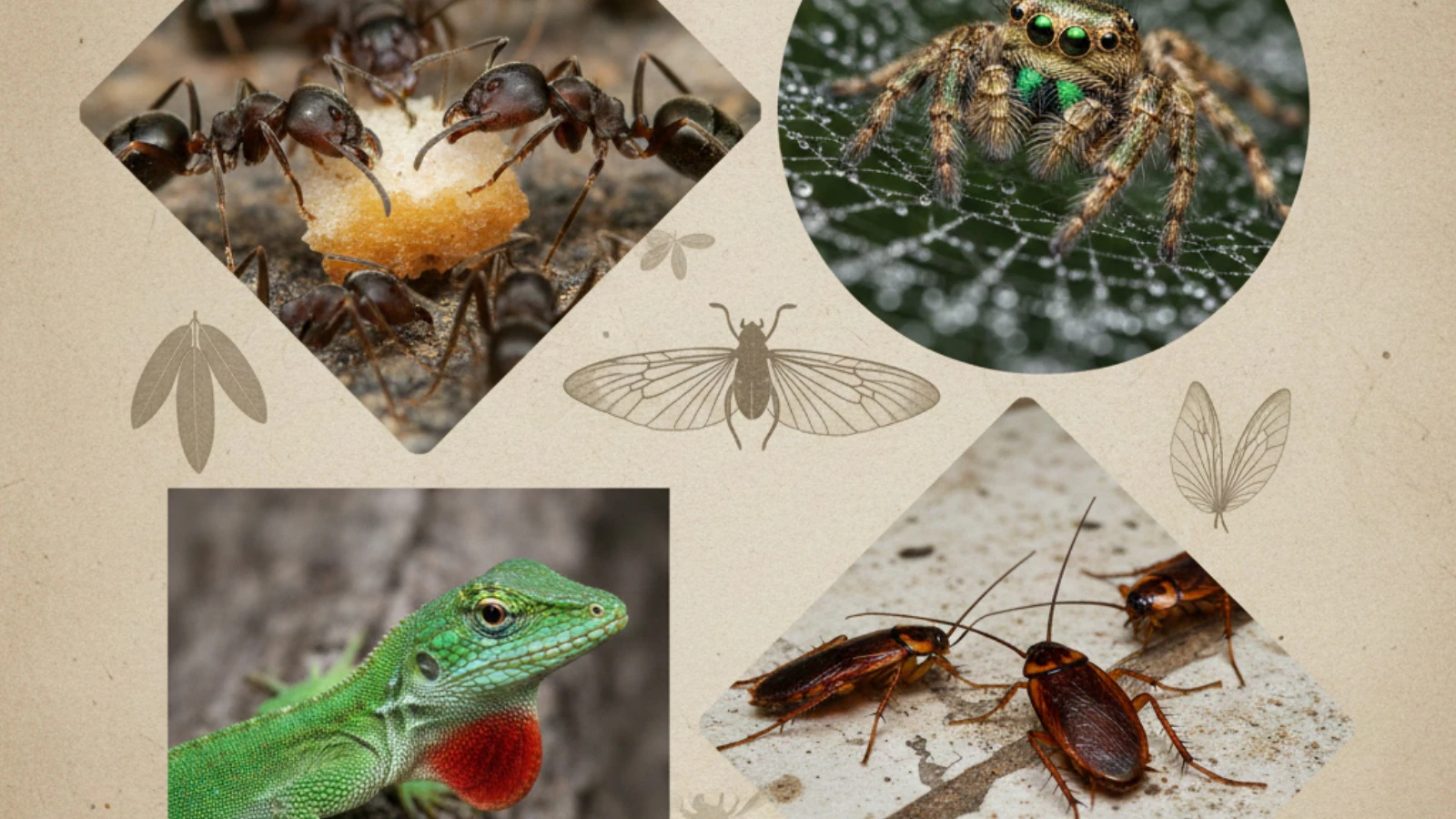
Ants are known to fortify their mounds and appear in larger numbers before rain or storms.Why it happens: Ants detect drops in barometric pressure and adjust their nests to prevent flooding. Sudden trails of ants indoors can indicate an incoming downpour.Story continues below this ad
6. Sharks: sensitivity to pressure drops
In oceans, sharks have been observed swimming to deeper waters before major storms or hurricanes.Why it happens: Sharks possess sensory organs called the ampullae of Lorenzini, which enable them to detect small electrical and pressure changes in water, helping them evade dangerous conditions.
7. Bees: weather-linked foraging
Bees are considered natural indicators of sunshine and rain. When bees remain near the hive or fly low, folklore suggests that rain is approaching.Why it happens: Bees adjust their foraging based on humidity and their ability to navigate—a task harder during windy or rainy conditions.