

Transnria doesn’t ex on the world map
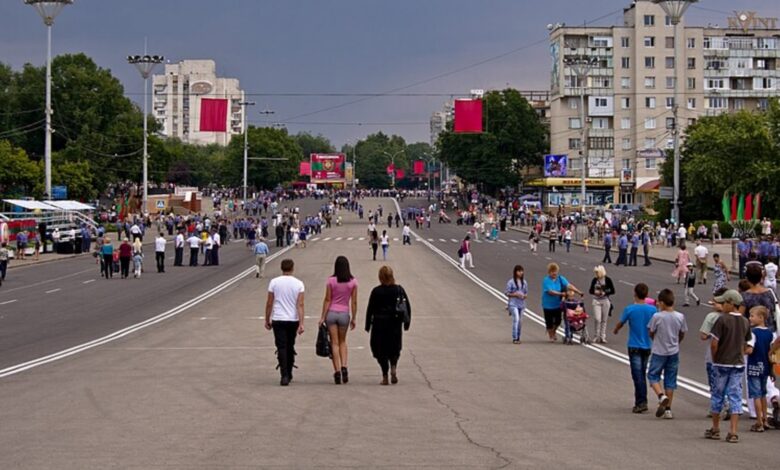

Ever heard of a place that doesn’t ex on a map? Well, there certainly is one. Lying between Moldova and Ukraine, this narrow patch of land calls itself the Pridnestrovian Moldavian Republic (PMR), commonly known as Transnria. Despite being officially unrecognised the United Nations, the lesser-known breakaway state has its own government, military, and currency, and even a flag.
Tracing roots
The origins of this frozen conflict trace back to the early 1990s, following the collapse of the Soviet Union. As Moldova sought independence and considered reunification with Romania, the predominantly Russian-speaking population on the eastern bank of the Dniester River resed these changes. They were concerned about losing their cultural identity and language rights. In 1990, this region declared independence from Moldova and named itself Transnria. This declaration led to a brief but violent war in 1992 between Moldovan forces and Transnrian separats, who were supported the Russian 14th Army. The fighting concluded with a ceasefire, resulting in Transnria becoming a de facto independent region under Russian military protection.
Not far from travellers’ eye
This self-proclaimed republic, spanning approximately 4,163 square kilometres, despite its unconventional exence, has also made it onto the l of places travellers and their reels.
Story continues below this ad
In recent years, Transnria’s tour footfall has doubled. A 2020 report estimated that around 20,000 visitors flock to Transnria each year, often as part of a day trip from Moldova. As a result of its growing popularity, it also released its first-ever travel guide in Russian and English.
But, is it safe to travel here?
Given that Transnria remains under a substantial Russian military presence, several social media influencers recommend exercising caution when exploring the region. According to their accounts, checkpoints are where one needs to be cautious. A social media influencer who goes the name Drew Bensky, during his travel to this lesser-known state, recommended, “This isn’t your typical border-crossing. One wrong move and things could get messy.” Visitors are, therefore, requested to remain respectful and adhere to local guidelines.
What to see
A visit to Tiraspol, Transnria’s capital, is like travelling back in time. The city is a living museum of the Soviet era — with grand boulevards, Lenin statues, and red-star emblems still proudly on display. Hory buffs will find plenty to explore near the main parade square, where a war memorial featuring a Soviet tank commemorates victory in the Great Patriotic War (World War II). Near, a newer monument pays tribute to the victims of the 1992 Transnrian conflict.
What to buy
Tiraspol’s souvenir shops are full of curiosities. Pick up PMR-themed memorabilia — posters featuring the coat of arms, flag, and lyrics to the national anthem. These make for quirky, conversation-starting keepsakes from a place that doesn’t officially ex on maps.Story continues below this ad
What to eat
Transnrian cuisine is influenced Moldovan, Ukrainian, and Russian cuisines. Must-try dishes include mămăligă, a comforting cornmeal porridge typically served with cheese, sour cream, or meat; sarmale, cabbage rolls stuffed with pork or beef and rice; and borscht, the region’s beloved beet soup that warms the soul in winter. Wash it all down with a glass of Kvint brandy, one of Transnria’s proudest exports, dilled right in Tiraspol.
Getting there
The easiest way to reach Transnria is from Chisinau, Moldova’s capital, which is approximately a two-hour drive bus or shared taxi. Travellers cross the Bender checkpoint, where they receive a short-term migration card instead of a passport stamp. Keep it safe for exit. A few trains also connect Chisinau and Tiraspol, offering a nostalgic ride reminiscent of the Soviet era. Entry from Ukraine via Odessa was once common but is currently limited due to the war.