

Why dogs often choose to sleep near doors instead of their beds | Pets-animals News
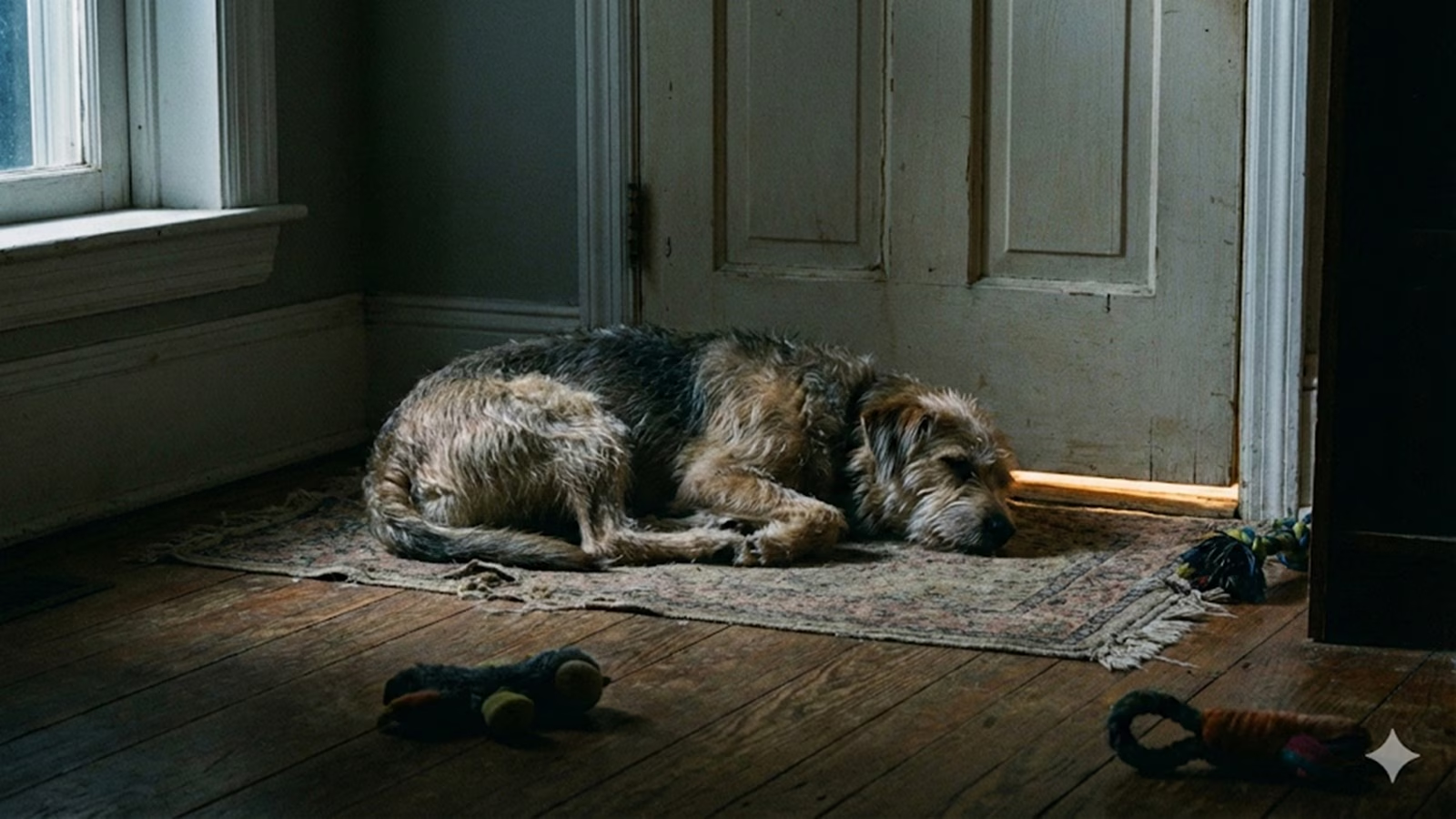

If you live with a dog, you may have noticed a curious pattern at bedtime. Even when a soft bed, couch, or cosy corner is available, some dogs consently choose to sleep near doors, entryways, or thresholds. It can look uncomfortable or puzzling to humans, especially when the bed is just a few steps away. This behaviour is often maken for restlessness or a lack of attachment, but it usually has deeper roots.
For many dogs, sleep is not a fully switched-off state. It is a light, alert rest where the body relaxes but the senses remain tuned to what is happening around them. Choosing a spot near the door can reflect how dogs perceive their role within a household, how they manage anxiety, or how they respond to routine and space.
Understanding why dogs gravitate towards doors rather than beds can offer insight into their emotional needs, comfort levels, and natural behaviours.
So what instinctive or evolutionary factors drive dogs to sleep near doors or entry points?
Dr Deepraj Prajapati, senior veterinarian at RD Pet Hospital, Ambedkar Nagar, tells , “Dogs are instinctively wired to monitor entry and exit points of their environment. This behaviour traces back to their wild ancestors, who positioned themselves at den entrances to detect threats, protect the group, and control access to resources.”
Sleeping near doors allows dogs to remain alert to sounds, movement, and changes in their surroundings. For many dogs, Dr Prajapati says, it offers a strategic vantage point that satisfies their natural drive to observe, protect, and respond quickly if needed.
Indication of anxiety, guarding behaviour, or a strong sense of responsibility
“Yes, it can reflect a range of emotional states,” notes Dr Prajapati, adding that in confident, well-adjusted dogs, sleeping near doors often indicates a calm guarding instinct or a self-assigned role of watching over the household.
“However, in some cases, it may also be linked to anxiety, hyper-vigilance, or separation-related stress, especially if the dog appears restless, reactive to sounds, or unable to relax fully. Context matters, including the dog’s overall behaviour, body language, and daily routine,” he informs. Story continues below this ad
When should pet parents encourage a dog to sleep elsewhere?
According to Dr Prajapati, pet parents should consider intervention if signs of anxiety, excessive alertness, sleep disruption, or territorial aggression accompany the behaviour. Encouraging a dog to sleep elsewhere should be gradual and positive.
“Providing a comfortable bed in a quiet yet socially connected area, using familiar scents, and reinforcing calm behaviour with praise or treats can help. Forced relocation or punishment should be avoided, as it can increase stress and undermine the dog’s sense of security,” concludes the expert.