

‘My mother would wake up…’: The powerful childhood moment that made Twinkle Khanna believe women were ‘superior’ | Lifestyle News
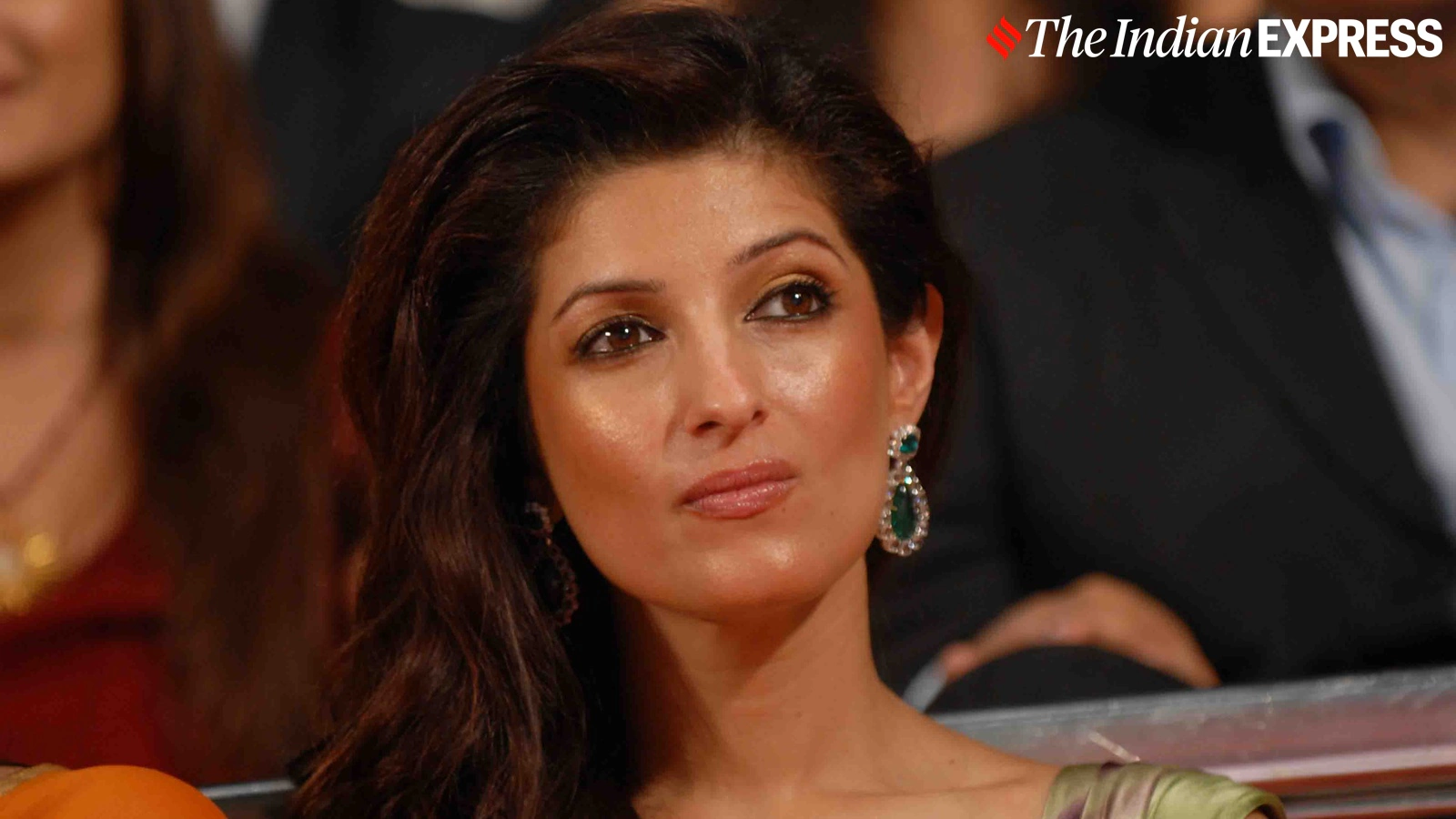

Twinkle Khanna recently described how her ideas about strength and gender were formed simply observing her mother, Dimple Kapadia, raising two daughters on her own. Her reflections echo the experiences of countless people who inherit beliefs about equality not through formal conversations, but through the behaviour they witness at home.
“I am probably one of those women who have taken a step back to equality. I always thought we were superior. I grew up with that notion, and I grew up with a single mom, and my mother would wake up at five every morning. She had three shifts to do, and she would put on this Jane Fonda tape, and she would work out around us because, as an actress, she also had to look good while doing all of this. So it was on mute and she would work out around us and I would look up at her and she was my superwoman. She was even wearing tights,” she said in an interview with BBC India.
This constant demonstration of hard work became a blueprint. “But that I think set a precedent for me that you have to be independent. Every woman has to be independent, and your self-worth and value lie in being able to not need anybody. The only person you can rely on is yourself and from there I had to come a little bit you know sort of to the back and say that ‘okay it’s okay to rely on a whole bunch of people but you still have to be independent.’”
So how does growing up with a self-reliant parent influence a child’s beliefs about independence and gender roles later in life?
Psycholog Rasshi Gurnani tells , “Growing up with a strong, self-reliant parent often creates an internal blueprint for autonomy. In childhood, this becomes part of a “modelling effect,” where a parent’s behaviour unconsciously trains a child to associate competence with independence. It also shapes early gender schemas; when a child sees a woman occupying both nurturer and provider roles, it disrupts traditional binaries and normalises female agency.”
As adults, she adds that such individuals tend to develop high self-efficacy, a strong internal locus of control, and a belief that capability is not gendered. However, this upbringing can also set unusually high standards, where self-sufficiency becomes an identity rather than a skill, making it challenging to accept vulnerability or shared responsibility.
Finding a balanced sense of independence that doesn’t lead to over-responsibility or burnout
According to Gurnani, adults who derive their identity from self-reliance often drift into hyper-independence, a protective mechanism shaped early conditioning. To find balance, psychological regulation begins with recognising patterns of over-functioning, taking on more than necessary, struggling to delegate, or equating worth with productivity.
“Building secure interdependence involves practising relational trust, setting boundaries that protect energy, and reframing dependence as collaboration rather than weakness. Techniques like cognitive reframing and self-compassion reduce the internal pressure to perform constantly. Emotional co-regulation within healthy relationships teaches that autonomy and support can coex. Sustainable independence is ultimately the ability to choose when to stand alone and when to lean in, without guilt or fear of losing control,” concludes the expert.
