

India’s 5 most powerful dark tourism sites

3 min readNew DelhiJan 29, 2026 04:00 PM Dark tourism means visiting places linked to death, tragedy, suffering, or major horical trauma. People do not travel to these sites for typical leisure, but to reflect, learn, and remember. Visiting places like massacre sites, battlefields, prisons, or disaster areas helps travellers face difficult hories and understand their ongoing impact.
India has a long and complex hory, and several places here have become important dark tourism sites. These locations attract visitors who want to connect with hory in a deeper way than just seeing monuments or taking photos.
Here are five well-known dark tourism destinations in India:
Jallianwala Bagh, Amritsar (Punjab)
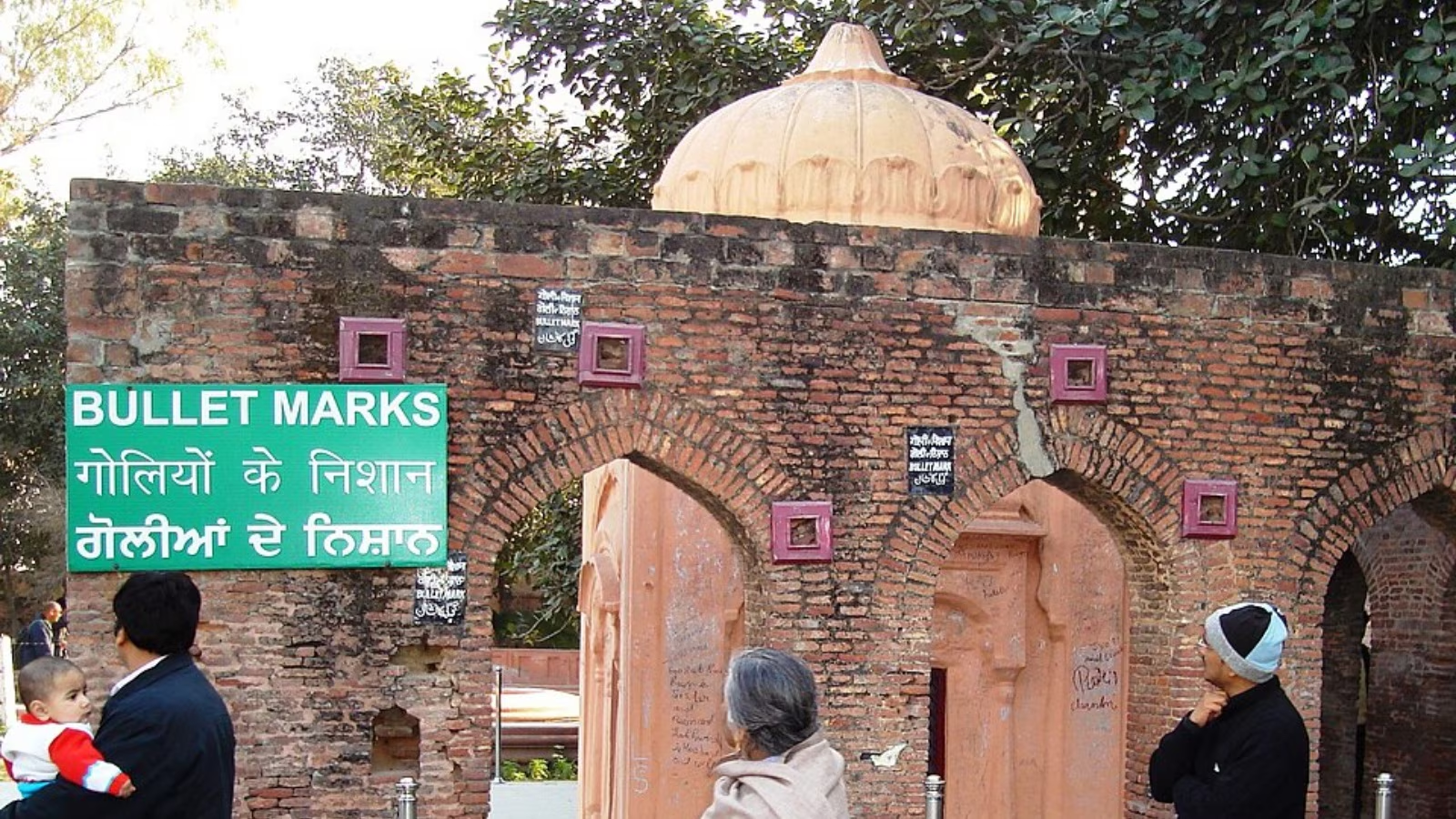
Jallianwala Bagh, Amritsar (Photo: Wikipedia)
Jallianwala Bagh is one of India’s most haunting horical sites. It is where the 1919 massacre happened, when British troops fired on unarmed civilians and killed hundreds.
Today, visitors can see preserved bullet marks, the Martyrs’ Well, and the memorial complex, which all remind people of colonial brutality. People visit not only to learn about hory, but also to connect emotionally with a key moment in India’s fight for freedom.
Cellular Jail, Port Blair (Andaman & Nicobar Islands)
Cellular jail aka Kalapani Cell (Photo: Wikimedia Commons)
The Cellular Jail, often called Kaala Paani, was a colonial prison where Indian freedom fighters faced extreme isolation, torture, and forced labor.
Now a national memorial, the jail has solitary cells, gallows, and a light-and-sound show that tells stories of resance and suffering. It is a strong symbol of sacrifice and resilience, and is one of India’s most important dark tourism sites.
Bhopal Gas Tragedy sites, Bhopal (Madhya Pradesh)
Bhopal Gas Tragedy site (Photo: Wikipedia)
The 1984 Bhopal gas disaster was one of the world’s worst industrial accidents. Thousands of people were exposed to toxic methyl isocyanate gas, which caused many deaths and long-term health problems.Story continues below this ad
In Bhopal, dark tourism involves visiting affected neighborhoods, memorials, and museums that showcase the effects of corporate negligence and environmental injustice. These places remind people how industrial disasters can affect communities for many years.
Kargil War Memorial, Dras (Ladakh)
Set against the stark Himalayan landscape, the Kargil War Memorial commemorates Indian soldiers who lost their lives during the 1999 Kargil conflict.
While not tragic in the civilian sense, the site embodies loss, sacrifice, and the realities of war. Names etched in stone, war relics, and views of the battlegrounds make it a solemn place of remembrance and reflection.
Partition Museum, Amritsar (Punjab)
The Partition Museum is dedicated to one of the largest mass migrations in hory. It shows the violence, displacement, and trauma that happened during the 1947 Partition of India.Story continues below this ad
The museum uses oral hories, personal items, photos, and archives to show the human cost of political decisions. It is now an important dark tourism site for learning about generational trauma and shared hories across borders.
