

Lost for 6,000 years: ‘Extinct’ marsupials found alive in New Guinea forests | Technology News
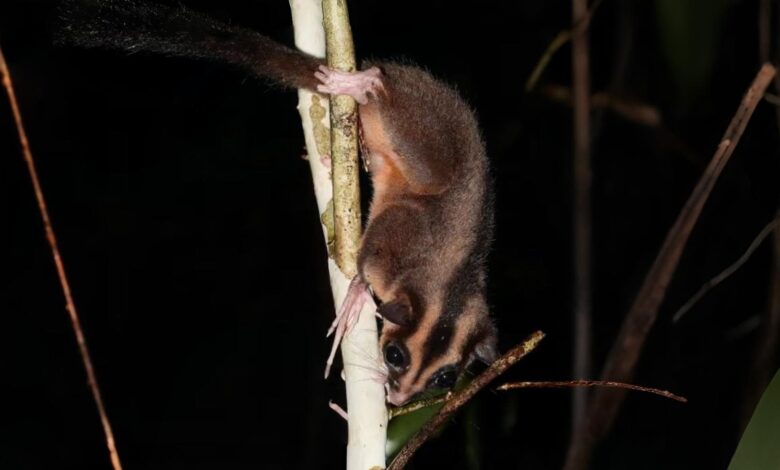

3 min readNew DelhiUpdated: Mar 6, 2026 07:44 PM In a discovery that has surprised scients and wildlife experts, two marsupial species long believed to have vanished thousands of years ago have been found alive in the forests of New Guinea. The animals, previously known only through fossils discovered in Australia, were recently photographed and confirmed researchers working with indigenous communities in Papua, Indonesia.
The rediscovered species include a ring-tailed glider and a tiny pygmy long-fingered possum. For decades, scients believed both animals had disappeared at least 6,000 years ago. Their unexpected reappearance provides new insights into the region’s wildlife and raises questions about how many species may remain hidden in remote regions.
With help from local communities
The breakthrough came after years of research and collaboration with the Indigenous communities who live in the Vogelkop Peninsula of Papua. They played an important role in guiding scients through the dense forests where the species were finally spotted and photographed.
Scients had long suspected that the species might still ex somewhere in New Guinea. Previous hints included unusual specimens in museums and occasional sighting reports. Nevertheless, without photographic or observational proof, the species continued to be regarded as extinct.
Recent surveys offered the proof that researchers had been hoping for. The images obtained in the forest provided a clear view of both animals, confirming that they had indeed survived unnoticed for thousands of years.
A glider with special features
The recently documented ring-tailed glider is a relative of the greater gliders found in Australia. It has a number of unique features. The animal has a gripping tail, which enables it to hold onto branches while moving through the forest. Moreover, it has ears without fur, giving it a dinctive look.
Researchers say the glider is one of the most visually striking marsupials they have encountered. Indigenous communities consider this animal sacred and ensure it is left undurbed, which could have been the reason why it survived.Story continues below this ad
The small possum with the unusual finger
The second rediscovered species is even more unusual. The pygmy long-fingered possum fits into the palm of a hand. Its most striking feature is that it has only one finger that is longer than the rest in each of its hands. This finger is used to draw insects from decaying wood. The possum locates its prey with the help of larvae sounds within the trees.
Also Read: ‘Astonishing’ new dinosaur species discovered in the Sahara
Much of New Guinea’s forest habitat is under pressure from logging and land clearing.
Because the animals are so rare, scients are keeping the exact location of their habitat secret to protect them from wildlife traders and durbance.
Researchers say further studies will be needed to understand the animals’ population size, behaviour, and ecological needs. The findings also serve as a reminder that remote forests may still hold species that science has yet to document—or has long believed extinct.
Expand © IE Online Media Services Pvt Ltd

