US-Iran peace talks likely soon; Islamabad may host first meeting

2 min readApr 8, 2026 10:14 PM US President Donald Trump on Wednesday said in-person peace talks with Iran are expected to take place “very soon”. This came on the heels of a fragile two-week ceasefire between the United States and Iran, brokered through Pakani mediation.
According to a report New York Post, Pakan’s capital Islamabad seems to be a possible location for the peace talks between the two countries.
The truce, agreed just hours before a looming US military deadline, has temporarily halted hostilities and partially reopened the strategically critical Strait of Hormuz, a key global oil transit route.
According to Axios, the proposed talks in Islamabad could mark the first direct, in-person negotiations between US and Iranian officials since the outbreak of the war. Pakani Prime Miner Shehbaz Sharif reportedly extended invitations to both sides, reinforcing Islamabad’s role as a key intermediary in the conflict.
The negotiations are expected to focus on de-escalation measures, maritime security in the Strait of Hormuz, and broader frameworks for ending the conflict. While indirect talks have continued through regional mediators, this meeting signals a potential transition toward more formal diplomacy.
JD Vance’s role uncertain amid security concerns
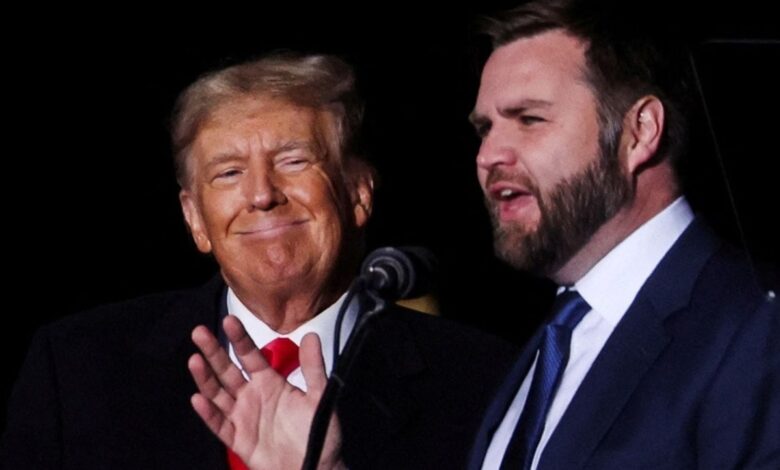
Despite playing a central role in backchannel negotiations that helped secure the ceasefire, US Vice President JD Vance may not attend the Islamabad summit. Trump told New York Post that Vance’s participation remains uncertain due to security concerns surrounding the high-stakes meeting.
Vance has been instrumental in diplomatic outreach, reportedly engaging with Pakani leadership and Iranian intermediaries during the lead-up to the ceasefire. However, he also described the agreement as a “fragile truce,” cautioning that lasting peace depends on Iran negotiating in good faith.Story continues below this ad
The ceasefire follows nearly six weeks of intense conflict that began in late February, with US and Israeli strikes targeting Iranian infrastructure and military assets. Iran responded with regional attacks and restricting access to the Strait of Hormuz, triggering global energy concerns.
Although the temporary halt in fighting has eased immediate fears of escalation, officials on both sides acknowledge that key issues remain unresolved.