Why Japan’s most popular royal, Princess Aiko, cannot become empress despite growing public support
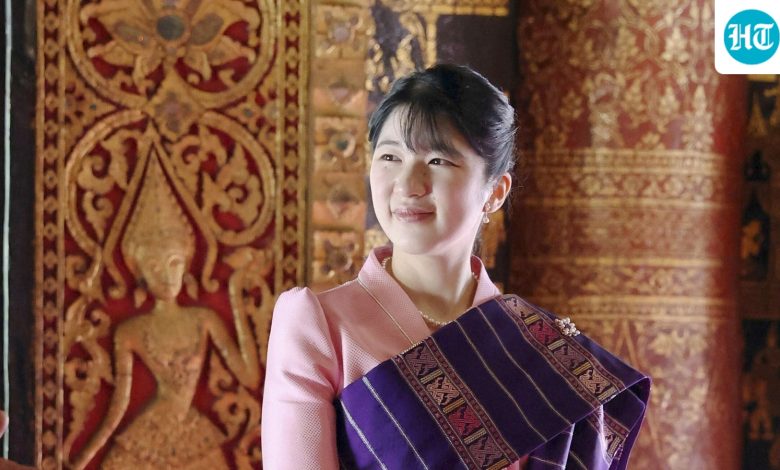

Princess Aiko is one of Japan’s most popular royals, attracting huge crowds at public appearances and inspiring fans to buy outfits similar to hers. However, despite her widespread popularity, the 24-year-old daughter of Emperor Naruhito and Empress Masako is legally barred from becoming empress.Princess Aiko’s popularity sparked fresh debate over Japan’s male-only royal succession law. (AP)(Also read: Princess Aiko’s popularity calls for change in Japan’s male-only succession law)According to a report The Guardian, an April 2026 poll conducted the Mainichi Shimbun found that 72% of respondents supported allowing a woman to ascend the throne, while just 10% opposed the idea.Why can’t Princess Aiko become empress?Japan’s imperial succession law allows only male-line descendants to inherit the Chrysanthemum Throne. The current legislation, enacted in 1947, is based on rules introduced in 1889.The restriction leaves just three eligible successors: Emperor Naruhito’s younger brother, Crown Prince Akishino; his son, Prince Hisahito; and the emperor’s 90-year-old uncle, Prince Hitachi.The imperial family has also shrunk considerably, from 30 members three decades ago to just 16 today, including only five men.If Prince Hisahito, now 20, does not have a son, the exing line of succession could end within a generation.What is Japan’s government doing?Prime Miner Sanae Takaichi’s government has backed amendments aimed at addressing the shortage of royals without allowing women to inherit the throne.The changes, scheduled to take effect in October, allow women to retain royal status after marrying non-royals and provide a pathway for eligible male-line descendants of former imperial branches to rejoin the family.Defending the exing system, Takaichi told lawmakers: “The unparalleled horic fact that the imperial line has been maintained through the male line for 126 generations is the foundation of the emperor’s authority and legitimacy.”Growing calls for a female emperorProfessor Makoto Okawa of Chuo University said the recent amendment “clearly points towards maintaining the male-line succession”.He also highlighted a “growing sense of unease among members of the public about excluding someone from the possibility of succeeding to the throne solely because she is a woman”.(Also read: Former Princess of Japan who gave up royal title to marry a commoner secretly welcomes first child: report)Interestingly, Japan has previously had eight reigning empresses, with Go-Sakuramachi, who ruled from 1762 to 1770, being the most recent.In 2024, a UN women’s rights committee urged Japan to allow female succession, but the government rejected the recommendation.Despite growing public support for Princess Aiko, Japan’s succession rules remain unchanged on the question of women inheriting the throne.