

Spice level of Ambani wedding food ‘just enough to break a small sweat’: John Cena | Trending
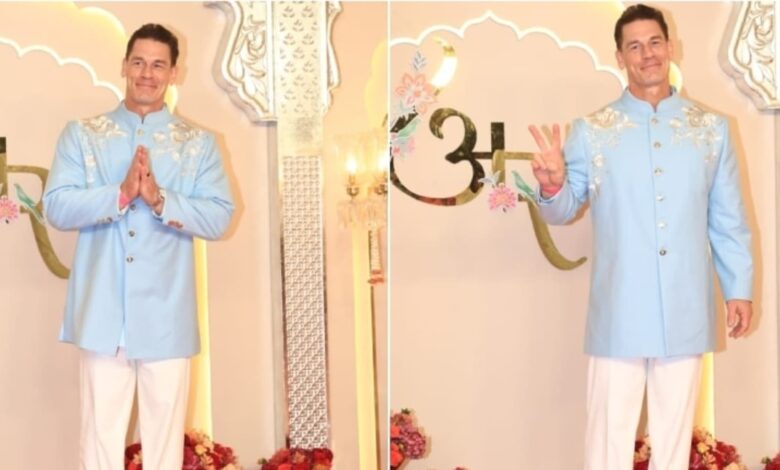

Aug 06, 2024 12:46 PM John Cena was among the global guests who attended the wedding of Mukesh Ambani and Nita Ambani’s younger son, Anant Ambani, and Radhika Merchant. WWE star and actor John Cena praised the food served to guests at the wedding of Anant Ambani and Radhika Merchant, saying the spice levels were “just enough to break a small sweat”. Cena, who attended the star-studded wedding festivities in Mumbai last month, said he looks forward to trying out spicy Indian food during his next visit to the country. John Cena strikes a pose at the Ambani wedding in a light blue bandhagala kurta and white pants. He styled the look with tan brown dress shoes.(HT Photo/Varinder Chawla) “The Ambani wedding had its fair share of cuisine, but they also did Indian food and Indian street food very well. The food was fantastic. I had a short stay…I would love to go back and be able to try some more Indian food,” he told news agency ANI over a Zoom video call. “The level of spice was just enough for me, just enough to break a small sweat. So I can’t wait to try to test my spice meter when I come back. I look forward to returning soon.” The American celebrity’s presence added to the star value of the big fat wedding which had other global personalities such as Kim Kardashian and Khloe Kardashian in attendance, apart from top Indian actors and Bollywood A-lers. Anant Ambani, the younger son of Mukesh and Nita Ambani, married Radhika Merchant on July 12. The wedding was a culmination of extravagant pre-wedding celebrations this year in India and abroad. The week leading up to the wedding also saw a string of ceremonies in Mumbai, including a sangeet that had pop star Justin Bieber performing for guests. Global delicacies to Varanasi chaat at Ambani weddingThe Ambanis served a range of cuisines at Anant Ambani and Radhika Merchant’s wedding. Apart from global delicacies, there was also the famous chaat (street food) from Varanasi, in line with the overall decor theme of the wedding. Iconic Banarasi foods such as Banarasi chaat, traditional sweets, lassi, chai and khari (crispy puff pastry) and paan and mukhwas (mouth freshener) were available for guests to try. The Hindustan Times YouTube channel now has 7 million subscribers. We thank our viewers for their support. Follow the channel for exclusive video news on politics, sports, entertainment & more. Click here. See more Get Latest Updates on Trending News Viral News, Video, Photos and Weather Updates of India and around the world News / Trending / Spice level of Ambani wedding food ‘just enough to break a small sweat’: John Cena