
‘She was so happy’: Woman’s reaction on spotting Virat-Anushka in Mumbai is viral. Watch | Trending
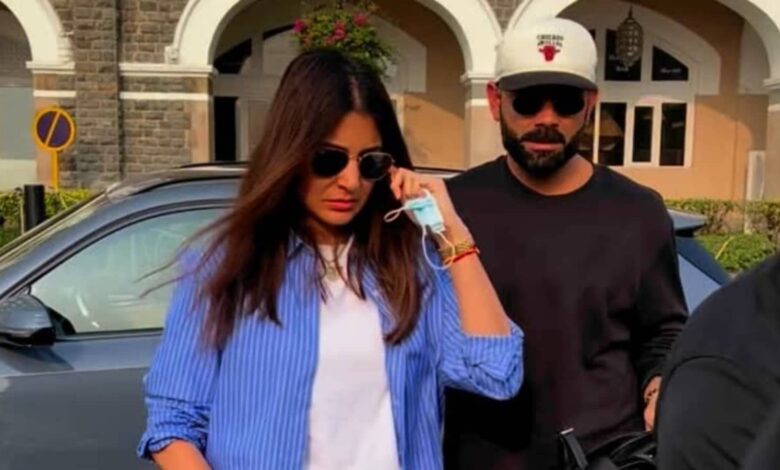

Jan 13, 2025 08:21 AM Virat Kohli and Anushka Sharma left standers stunned when they made a rare public appearance in Mumbai. Virat Kohli and Anushka Sharma left standers stunned when they made a rare public appearance in Mumbai. The star couple was recently spotted at the Gateway of India in Mumbai’s Colaba area, from where they took the jetty to Alibaug. Anushka Sharma and Virat Kohli clicked at the Gateway of India. Despite their celebrity status, the couple waited at the Gateway of India without fuss, standing among dozens of people with minimal security. Both the actress and the cricketer wore sunglasses and casuals during their low-profile appearance. While many people whipped out their cellphones and began recording the moment they realised they were seeing Virat Kohli and Anushka Sharma in real life, it was the reaction of a couple at the Mumbai monument that is winning hearts on social media. Couple’s reaction on spotting Virat Kohli, Anushka SharmaIn a video that has gone viral online, Virat Kohli and Anushka Sharma were seen walking towards the pickup point and waiting their turn for the jetty to Alibaug. They stood in front of another couple that initially did not recognise them. The man wore a white shirt while the woman was seen in a white dress. The video has captured the exact moment when realisation dawned on the woman – she got a good look at Anushka Sharma’s face when the actress turned around for a second. The woman’s mouth fell open in surprise and she immediately looked at Virat, as if for confirmation. On realising that she was indeed staring at the famous couple, the woman excitedly relayed the information to her partner. Their excitement was palpable, and viewers who saw the video on Instagram found it endearing. “I was only watching the couple at the back,” wrote one person in the comments section. “The star of this reel is the excitement of the young girl on realising it is Virat Kohli,” another said. “That girl in white dress behind Anushka is the story. Her reaction is so so cute,” an Instagram user commented. While Virat and Anushka were praised for not expecting VIP treatment, people also praised standers for not mobbing them with requests for selfies and autographs. The couple had earlier been filmed at the ashram of Shri Hit Premanand Govind Sharan Ji Maharaj in Nainital. Recommended Topics News / Trending / ‘She was so happy’: Woman’s reaction on spotting Virat-Anushka in Mumbai is viral. Watch See Less