

How this humble sandwich became a symbol of the ‘Bambaiya’ spirit | Food-wine News
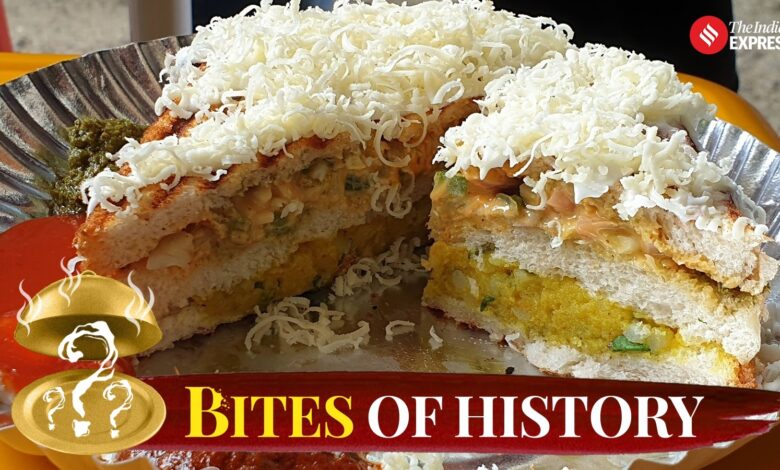

Space. There is barely any in the sprawling metropolis that is Mumbai. But cramped in every corner is a trusty old sandwich-wallah selling the iconic Bombay sandwich, a single bite of which can take you on a journey through the medley of this city’s rich culinary hory.What’s more interesting is that you can never find it outside of the city’s limits. But where did this beloved street food icon originate, and how did it become Mumbaikars’ favourite meal?
The 19th century saw Bombay blossom into a major textile hub, attracting a diverse migrant population. These workers needed cheap and filling meals that could be eaten on the go. Enter the Bombay sandwich, a simple yet ingenious creation.
Story continues below this ad
Slices of bread, brought over the British and the Portuguese, were slathered with butter and layered with readily available vegetables like tomatoes, onions, and sometimes potatoes. The magic touch came from the chutney, a condiment with roots in various Indian cuisines, adding a burst of flavour and moure.
According to Chef Harpal Sokhi, this savoury tw appealed to the local palate, leading to the creation of a uniquely Indian version of a regular English toast. “The flavour profile is a combination of spices, onions, tomatoes, and cilantro providing a burst of flavours that are both familiar and exciting to the Indian palate,” he said.
The rise of the sandwich-wallahs
Street vendors, or sandwich-wallahs, emerged, catering to the growing demand. These skilled individuals perfected their craft, offering a variety of chutneys – from minty coriander to spicy green chili – to cater to different palates.
The inclusion of beetroot slices in some variations added another layer of taste and texture.Story continues below this ad
Vada pav is the other famous sandwich in Bombay (Source: Freepik)
Today, the Bombay sandwich continues to innovate and now there are as many Bombay sandiwiches as there are Mumbaikars. New ingredients like cheese and grilled vegetables find their way into variations. But the core essence remains – a simple, delicious, and affordable treat that reflects the never-changing spirit of Mumbai.
A symbol of the ‘Bambaiya’ spirit
According to Sokhi, the Bombay sandwich transcended its humble origins. It wasn’t just a working-class staple; it found its way into lunchboxes and became a tea-time treat for families.
The affordability and versatility made it a crowd-pleaser, enjoyed people from all walks of life. Now, the Bombay sandwich embodies the ‘Bambaiya’ spirit. It’s a fusion of cultures, a celebration of simplicity, and a testament to the city’s vibrant street food scene.
Even as Mumbai’s culinary landscape evolves, the Bombay sandwich remains a cherished tradition, a reminder of the city’s rich hory and enduring food culture.Story continues below this ad
Here’s how to make Sokhi’s version of the bombay sandwich at home
Begin preparing the masala mixture.
Crack the eggs into a mixing bowl and whisk them until well-beaten.
Add the finely chopped onion, tomato, green chillies, and cilantro to the eggs.
To this mixture, add turmeric powder, red chilli powder, and namak-shamak daal dete hai.
Mix to ensure all the ingredients are well combined and the spices are evenly dributed.
Heat a pan over medium heat and add a small amount of butter.
Take a slice of bread and dip it into the egg mixture, making sure it is well-coated on both sides.
Place the coated bread slice onto the heated pan.
Cook it until the bread turns golden brown and crispy on both sides.
Serve your Bombay Masala French Toast hot. This dish pairs wonderfully with ketchup or green chutney.
