

‘I had met him just two days ago’: Puneet Issar expresses shock after Pankaj Dheer’s passing; how cancer relapse emotionally devastates patients and families | Lifestyle News
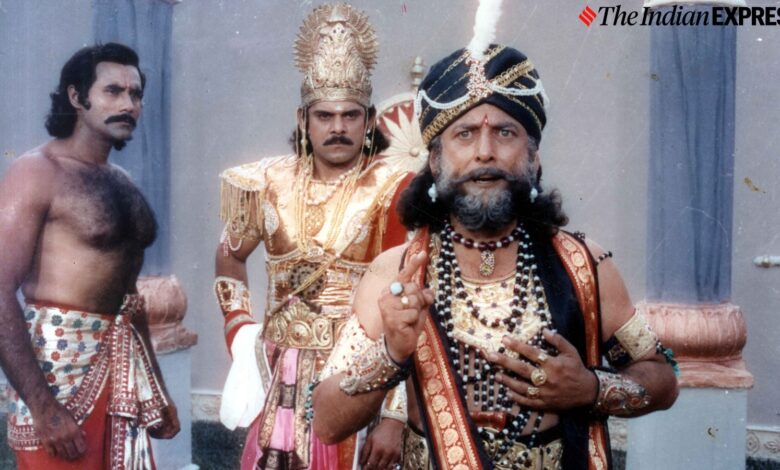

Actor Pankaj Dheer, best remembered for his powerful portrayal of Karna in B.R. Chopra’s Mahabharat, passed away on October 15 after a battle with cancer, leaving behind a legacy admired fans and colleagues alike. His co-star and longtime friend, Puneet Issar, who played Duryodhana in the same series, expressed his deep sorrow and disbelief at the loss, describing Dheer not just as a colleague but as family.
Speaking to the Times of India, Puneet shared, “Pankaj was not just my brother in the show Mahabharat, but also off-screen. Our fathers were friends, and our families have known each other for a very long time. He had been battling cancer for a few years. He recovered once, but unfortunately, it relapsed last year, and he has been undergoing treatment since then. Today, I’ve lost my brother.”
Story continues below this ad
Recalling their decades-long friendship, he said, “Our friendship deepened during the making of Mahabharat. He used to call me ‘Puneetos’, and I called him ‘Pinks’. I had met him just two days ago at his home. I am in shock and at a loss for words. I can’t even begin to talk about the good times we shared over the decades. His son, Nikitin, has grown up in front of me.”
While Pankaj Dheer’s passing has left the entertainment fraternity grieving, it also draws attention to a painful truth on how cancer relapse can shatter not only the patient but also their loved ones, who witness their battle with helplessness and hope.
When someone recovers from cancer but later experiences a relapse, what kind of emotional toll does it take on the patient and their close friends or family?
Counselling psycholog Athul Raj tells , “A relapse often feels like life has turned full circle in the most painful way. For the patient, it brings back fear, disbelief, and deep fatigue. There is a sense of being betrayed their own body, of losing hard-won progress, and of facing the same painful journey again.”
For family and friends, he adds, it is a devastating emotional reversal. The joy of recovery gives way to helplessness and guilt, as they struggle to stay strong while silently fearing the worst. Everyone involved experiences an emotional whiplash — hope and despair coex, and the sense of stability built after recovery begins to crumble once more.Story continues below this ad
How can people best offer emotional and psychological support to a loved one undergoing cancer treatment, especially during a recurrence?
Raj notes that the best support during a recurrence is “rooted in honesty, empathy, and presence.” Instead of forcing optimism, he states that simply being there and allowing space for pain can be healing. Len without interrupting or offering quick comfort. Encourage them to express fear and frustration without judgment. Help them access therapy or a support group, where they can speak freely and feel understood.
Coping mechanisms to help process both shock and sorrow
Grieving after a long illness carries both shock and emptiness. Even when death is expected, Raj mentions that the finality feels unreal. The healthiest way to cope is to allow grief to unfold at its own pace. Speak about the person, share memories, and let emotions find expression through writing, art, or prayer.
“Avoid isolation and stay connected to people who offer understanding rather than advice. Therapy or grief circles can also help process complex feelings. Healing does not mean forgetting. It means finding new ways to live with love that continues to ex, even in absence,” concludes the expert.