Parveen Babi banished Kabir Bedi a year before her death; Mahesh Bhatt saw her worst mood swings: ‘You also think I’m mad’ | Bollywood News
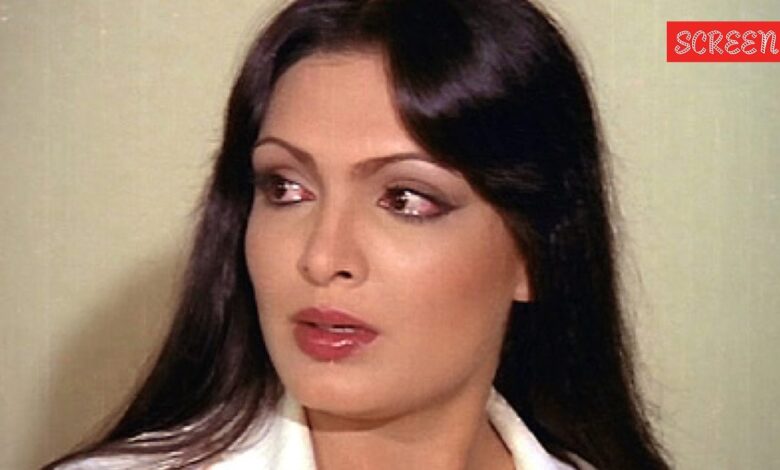

Late actor Parveen Babi’s life story remains one of the most tragic tales to come out of the Hindi film industry. In a recent interaction, actor Kabir Bedi, who was in a brief relationship with Parveen, spoke about witnessing the early stages of her mental health struggles. He also recalled seeing Parveen just a year before her death in 2005.
During an interaction with Filmfare, Kabir admitted that Parveen’s biggest fear was people finding out about her mental health issues when she was the biggest star in the country, as she feared it would end her career. He said, “This was her biggest fear that if people found out that she has any mental instability, the industry would stop taking her. Can you imagine from her point of view having so much beauty and talent and films being offered to you but trying to conceal your mental problem from everybody, because if you let them know, they will drop you like a hot potato.”
Kabir Bedi revealed that he persuaded Parveen Babi to seek help while they were in London, but the actress refused to heed his advice. He recalled, “I advised Parveen to see someone in London because there were best people to treat her there and also she was away from all this, but she wouldn’t hear of it. She didn’t like the pressure that I was putting on her and, at the same time, her film Amar Akbar Anthony in India became a huge hit. She decided to return to India and went on to do many more films, but battling through the most terrible problems all the while. About that period… Mahesh Bhatt would know more about it because he was with her.” For the unversed, Parveen Babi started dating filmmaker Mahesh Bhatt after she parted ways with Kabir Bedi.
Story continues below this ad
Talking about working with Parveen while being in a relationship with her, Kabir said, “She was very professional our relationship never entered the set. She had mood swings but they weren’t as bad as what Mahesh saw later on. Mahesh saw the worst of it.”
After Parveen Babi and Kabir Bedi parted ways, the latter was villainised and blamed for their breakup, with many claiming it triggered Parveen’s mental instability. Speaking about the same and why he didn’t defend himself at that time, Kabir shared, “I was demonised but I thought that I could either clear up the misunderstanding and make her look bad or just keep quiet and let her get the sympathy and get the roles so that she can reestablish herself and her career. I spoke about it five years later at the Filmfare.”
The Kismat actor also recalled meeting Parveen just a year before her death. He shared, “I met her a year before she passed away. She was laying beside the pool, sunning herself and she said, ‘Oh, Kabir.’ She was embarassed to see me, she had changed a lot. She told me, ‘I’m fine but people think I’m mad.’ I told her, ‘You have made accusations against people and naturally they will have an opinion.’ She looked at me and said, ‘You also think I’m mad. You are one of them. I don’t want to see you again. Please leave.’ I wished her well and left. I was sorry to see her in that state. But she had a flat and she was looked after, she was working as an interior designer.”