In a world of duplicates, the quiet power of Japan’s iki can help you be original | Lifestyle News

Some things don’t need to be screamed to be heard. And “iki”, a concept that quietly bloomed in the streets of Edo-period Japan, is one of them.
In a time when “more” is always being sold to us—more likes, more noise, more stuff—iki invites us to come back to what feels natural. It reminds us that it’s okay to not perform, to not constantly prove ourselves, to not decorate our lives for the sake of validation.
It’s not something you wear like a brand, or decorate your home with in obvious ways. Iki is more of a feeling—a sensibility. And in a world that often values loudness and excess, the gentle grace of iki might be exactly what we need.
So, what is Iki?
Iki (粋) doesn’t have a perfect translation in English, but it sits somewhere between elegance, coolness, and tasteful simplicity. It’s not about being flashy or drawing attention—it’s about not trying too hard, and still managing to leave a lasting impression.
Originally associated with Edo-era merchants who cultivated a sense of quiet sophication despite their social rank, iki reflects confidence without arrogance, beauty without embellishment, and style without showiness.
It’s a kind of everyday charm. Effortless. Subtle. Real.
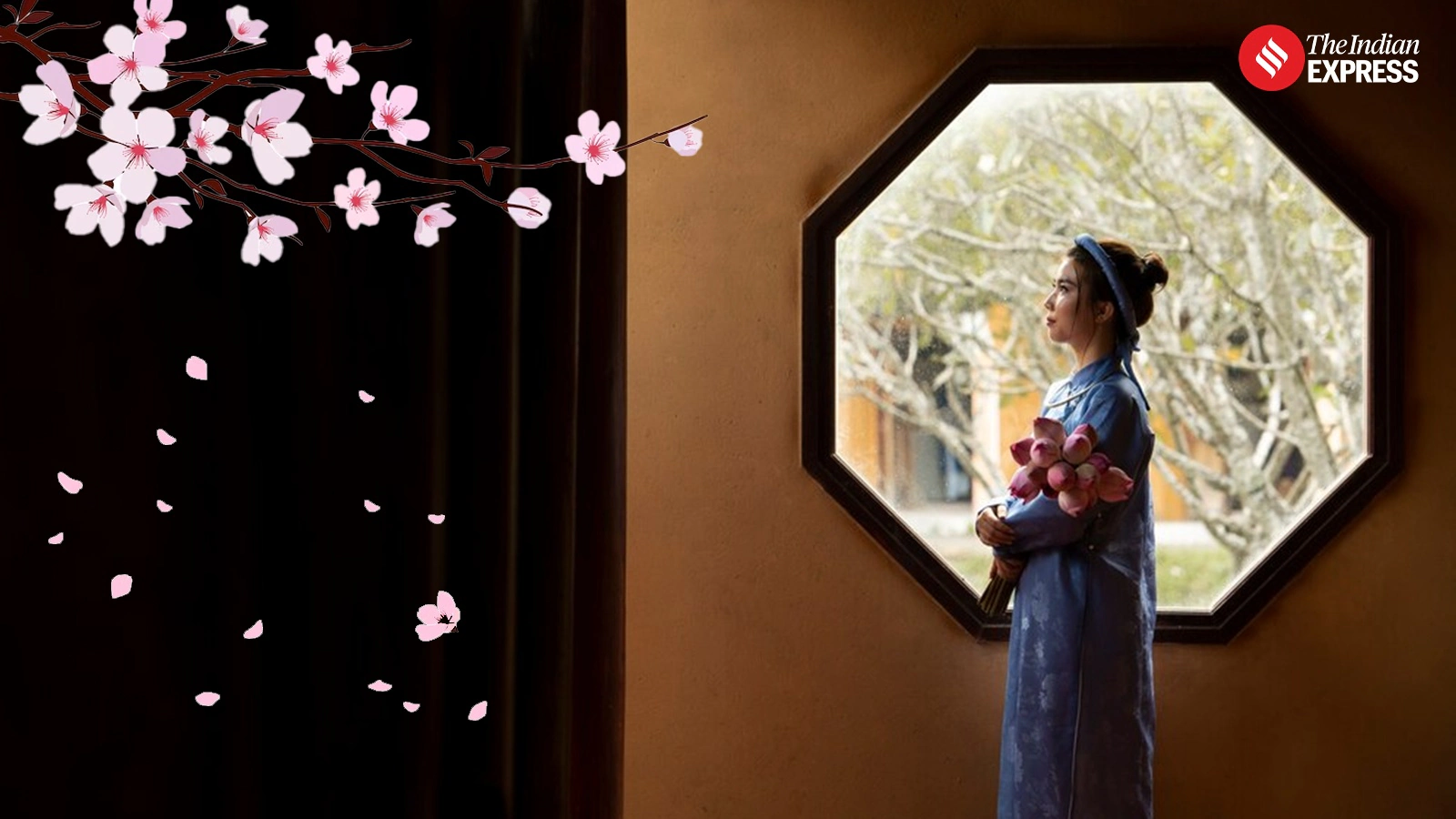
The beauty of iki is that you don’t need money or fame to live it. You just need presence, intention, and a little self-awareness (Source: Freepik)
What does iki look like in real life?
If you’re wondering how iki shows up, here are a few ways:Story continues below this ad
In Personal Style: Someone dressed simply—maybe a crisp shirt, well-worn shoes, and a favourite scarf tied just so. Not trendy, not outdated. Just right.
In Conversations: People who speak with purpose. They len more than they talk, and they know when to hold silence without making it awkward.
In Design: A room that breathes. Clean lines, soft lighting, a plant the window. Nothing extra, but nothing missing either.
In Demeanour: Someone who doesn’t overreact, who carries themselves with calm. They’re not trying to impress, but somehow, they do.
How you can bring iki into your life
The beauty of iki is that you don’t need money or fame to live it. You just need presence, intention, and a little self-awareness. Here’s how you might begin:
Edit Your Closet: Think less about trends, and more about what makes you feel quietly confident. Choose clothes that reflect your personality without needing to explain it.
Speak Less, Mean More: Whether it’s texting or talking, try saying only what needs to be said. Let people sit with your words.
Declutter Your Space: Not for the sake of minimalism, but because your surroundings affect your mood. Keep things that make you feel grounded and calm.
Be Emotionally Steady: Iki isn’t about suppressing feelings—it’s about carrying yourself with grace, even when you feel messy inside.
Iki is not a trend. It’s a way of moving through the world with quiet confidence. And when you live that way, you don’t just feel better—you help others breathe a little easier too.