Anoop Soni opens up about the mental impact of hosting Crime Patrol: ‘If I’m dropping my son to school…’ | Feelings News
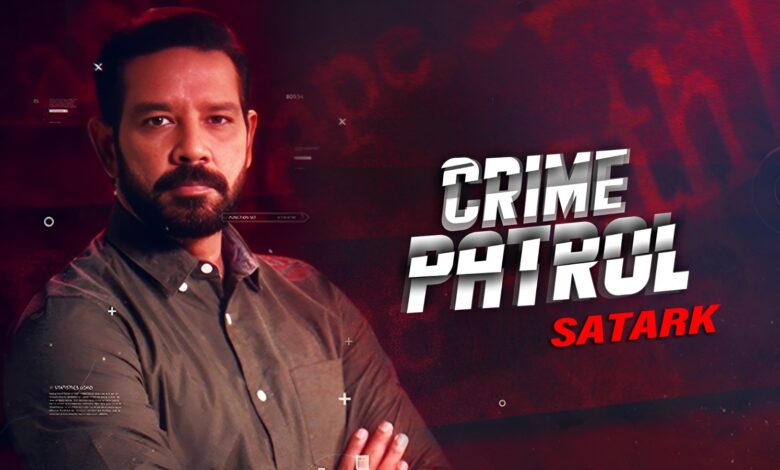

Crime Patrol is one of the longest-running Indian true crime anthology series on television. Each episode is based on a real-life crime story, enacted with dramatic anecdotes, and narrated Anoop Soni, who has become almost synonymous with the show, with his saavdhan rahein satarak rahein catchphrase becoming a meme on the internet. But his association with the show, since Season 2 in 2010, has not been without challenges.Admitting that hosting the show made him extra cautious for his loved one’s safety, he said on Aftab Puttoo’s podcast: “If I’m dropping my son to school, I will make sure I keep watching him till the end moment, to ensure he’s entered safely.” But it doesn’t end there. Even after dropping his son, the actor remains extra cautious with multiple scenarios playing in his head. “With time, I realised that freedom and trust are equally important.”
But is such behaviour considered normal? Yes, said psychologs, stressing that what Anoop Soni described is a “very real after-effect of constant exposure to crime stories.” Such long-term contact with violent or durbing content can subtly shift how a person thinks, feels, and even parents.
Story continues below this ad
When Crime Stories Shape How You See the World
Dr Divya Shree K R, Consultant – Psychiatry, Aster CMI Hospital, Bangalore, explains that regularly hearing about crime can make a person feel the world is far less safe than it truly is. “Constant exposure can change your perception,” she says. “You start believing people are less trustworthy, that danger is everywhere. This fear often leads to more protective behaviour — especially among parents who begin setting stricter rules, monitoring children closely, or worrying constantly about their safety.” According to her, such fear is often exaggerated. “Media stories make rare events seem common,” she adds. “So even if an incident is uncommon, your brain starts expecting it around you.”
Why Crime Shows Make People Overprotective
Working on or even frequently watching crime shows can heighten anxiety about loved ones. “Constant exposure to violence or kidnapping stories makes the brain imagine worst-case scenarios,” says Dr Divya. “You start seeing danger even when life around you is normal.”
Clinical psycholog Shirley Raj from Mpower, Aditya Birla Education Trust, agrees. “Over time, the world starts to look unsafe,” she explains. “You might become overly suspicious, jump at strangers, or stop your children from exploring. This limits their curiosity and growth, even though your intent is to protect.”Story continues below this ad
How to “Switch Off” the Fear
Experts say people who deal with crime stories daily need to create mental boundaries. “Remind yourself that these are other people’s stories, not your,” advises Dr Divya. “Relax through exercise, music, or time outdoors. Limit crime-related content after work.”
Shirley adds, “Balance things out reading stories of kindness and community. Talk to calm, grounded people who can help you see the world more clearly.”
For Soni, that balance has come with awareness. After years of vigilance, he’s learning to trust — and to see the world as more than just the sum of its crimes.