

BJP sends 1 kg jalebi to Rahul Gandhi’s Delhi home via Swiggy: ‘Cash on delivery’ | Trending
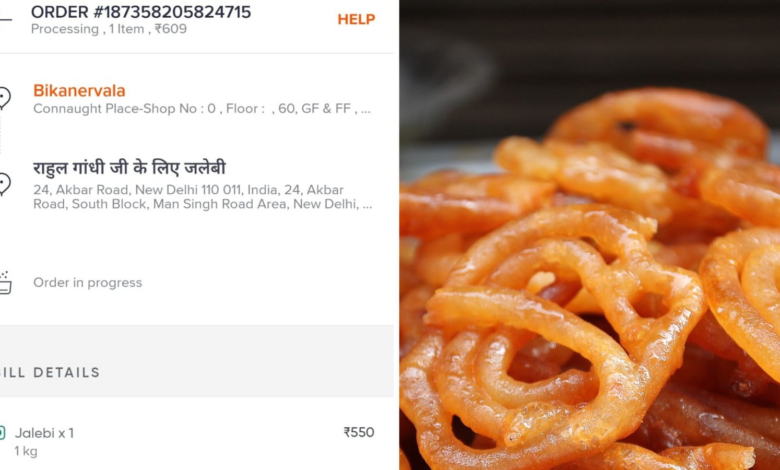

Oct 09, 2024 02:32 PM BJP supporters mocked Rahul Gandhi’s jalebi praise after the party’s unexpected victory in Haryana. The Bharatiya Janata Party (BJP) proved pollsters wrong when the party made a stunning comeback in Haryana, marking a hat-trick in the state while upsetting the Congress’ chances of a win. Exit polls had predicted that Congress would form the government in the state and as early leads came in, celebrations began at the grand old party’s headquarters. In a post on X, Haryana BJP shared a screenshot of a food delivery order placed on Swiggy for jalebis to be sent to Congress leader Rahul Gandhi.(X/BJP4Haryana) Workers were seen dancing to dhol music and feeding each other jalebis to celebrate their presumed win but as the day went on, the BJP surged ahead and clinched the victory. The term ‘jalebi’ began trending on social media and BJP workers used the sweet treat to take digs at the Congress. While some BJP leaders posted photos eating jalebis, others attempted to cook the sweet dish to celebrate their massive win. In a video shared an Assam BJP member, a party worker can be seen marching into the Congress office in Lakhimpur with a packet in his hand. While some BJP leaders posted photos eating jalebis, others attempted to cook the sweet dish to celebrate their massive win. In a post on X, Haryana BJP shared a screenshot of a food delivery order placed on Swiggy. Take a look at the viral post here: The order for 1kg jalebis from Bikanervala in Delhi’s Connaught place was marked to be delivered to Rahul Gandhi’s home on Akbar road. The screenshot showed that the order was being cooked and it was marked for a cash payment on delivery. HT cannot independently verify the authenticity of the screenshot. “On behalf of all the workers of Bhartiya Janta Party Haryana, Jalebi has been sent to Rahul Gandhi’s home,” the caption read. (Also read: From single-digit tally to hat-trick of wins: BJP’s growth story in Haryana) Why was ‘jalebi’ trending on social media?BJP supporters used the term to take a dig at Congress leader Rahul Gandhi who had praised the jalebi from a local shop in Haryana, suggesting it should be exported globally. “I tasted jalebi in the car and sent a message to my ser Priyanka that today I have eaten the best jalebi of my life. I am bringing a box of jalebi for you too,” he had said, adding that the sweet shop should open its “factories” across the world. BJP leaders were quick to correct the Congress scion that the sweet was not made in factories. (Also read: ‘Jalebi’ frenzy on social media as BJP stuns Congress to make Haryana comeback) Get Latest Updates on… See more News / Trending / BJP sends 1 kg jalebi to Rahul Gandhi’s Delhi home via Swiggy: ‘Cash on delivery’


