

Magical pics from Ralaune Festival go viral without credit, photographers react: ‘Remember the art behind the lens’
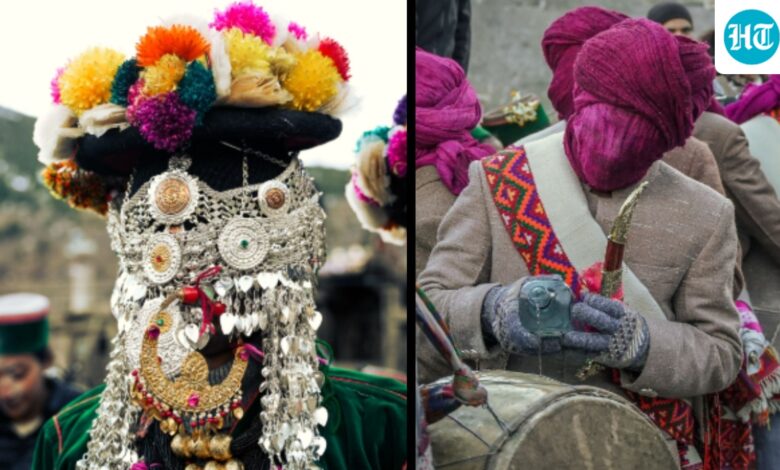

Photos from Himachal Pradesh’s Ralaune Festival have gone viral across social media, but the creators behind the viral pictures say their work is being circulated without permission and credit. The pictures went viral after an X user shared them without attributing the photographers.(Instagram/@photo_khichak) Several photographers have taken to social media to raise concerns about plagiarism and the disregard for the effort involved in documenting the pictures. It all began after an X user shared the festival photos without attributing the photographers. The images quickly spread across social media platforms, prompting the photographers to speak up. Photographer Laksh Puri, who shot the festival in Himachal Pradesh in March, took to Instagram to urge followers to report pages sharing his work without consent. “If you see any page using these photos without permission, kindly let me know,” he wrote, adding that several accounts were using the images to boost engagement without seeking permission or acknowledging the original photographers. On Instagram stories, he expressed frustration over how quickly the photos had travelled across the internet without attribution. “Arts and creators spend days exploring places, shooting, editing, and telling real stories. But some pages simply steal our work, use it to grow their accounts, and don’t even give credit or ask for permission,” he said. “How long will creators keep working if their content is treated like this?” he asked. Photographer Kanwar Pal Singh, who shot alongside Puri at the Ralaune Festival, echoed the sentiment. “You travel share your passion for photography and document your experiences only for someone to take your work and pass it off as their own it’s a sad reality and a major reason why photography is losing its authenticity and will soon fade away,” he wrote in an Instagram post. Separately, in an Instagram story, Kanwar said that creators often put in significant effort to capture cultural events only for others “to take credit for our work from the comfort of their homes”. “Can’t we discuss and support each other regardless of status?” he wrote. Speaking to HT.com, Kanwar said the issue goes beyond a single viral post. “One of the most significant challenges we encounter is plagiarism. Many individuals are unaware that when someone takes a photograph, they invest considerable effort in visiting the location, establishing connections with the local community, and experiencing the entire process. This effort should be acknowledged and credited. It is unacceptable to simply download the image and present it as one’s own work,” he said. Two other photographers, Ashwin Katariya and Saurabh Rastogi, whose images are also being circulated, echoed these concerns. In an Instagram post, Ashwin wrote, “So many pages are proudly showing India’s beauty through these photos, but please remember the art behind the lens. Each picture takes patience, dedication, and costly gear. Stealing someone’s work without even asking isn’t right.” Together, photographers said that the incident highlights a larger problem faced independent creators whose work is frequently shared without attribution. As their images continue to circulate on social media, they have urged people to report unauthorised use and credit original source to ensure ethical sharing of content. What is Raulane Festival? Raulane Festival is an age-old ritual in Kalpa, rooted in local mythology and the belief in mountain fairies called deohne. At its core, the festival is a collective act of gratitude, spiritual invocation, and cultural reaffirmation. During the celebration, participants take on the roles of supernatural wedding figures, symbolising fairies or ancestral beings briefly entering the human world. This ceremonial procession is believed to unite the earthly and the divine, strengthening community bonds and invoking blessings of harmony, fertility, and protection.