Manoj Bajpayee defends Neeraj Pandey amid Ghooskhor Pandat row: Here’s why the title led to FIR, legal blowback | Bollywood News

4 min readNew DelhiUpdated: Feb 6, 2026 02:27 PM Streaming giant Netflix released their 2026 slate for their Indian fans earlier this week, and one of its titles attracted negative attention almost instantaneously. Director Neeraj Panday’s cop thriller Ghooskhor Pandat, starring Manoj Bajpayee, immediately attracted legal complications as many claimed that the title vilified the Brahmin community. A lot of legal chaos has already ensued, and after Neeraj Pandey, the lead actor, Manoj Bajpayee, has broken silence on the whole matter.
Why the row over the title
The use of the word Pandat, which is associated with the Brahmin community or a priest, religious scholar, with ghooskhor (someone who takes bribes) has raised the heckles. As per the legal notice, the title impacts the dignity of the Brahmin community and hurts sentiments. The notice demands the immediate withdrawal of the title Ghooskhor Pandat, calling it defamatory, unconstitutional and socially incendiary.
Manoj Bajpayee on Ghooskhor Pandat row
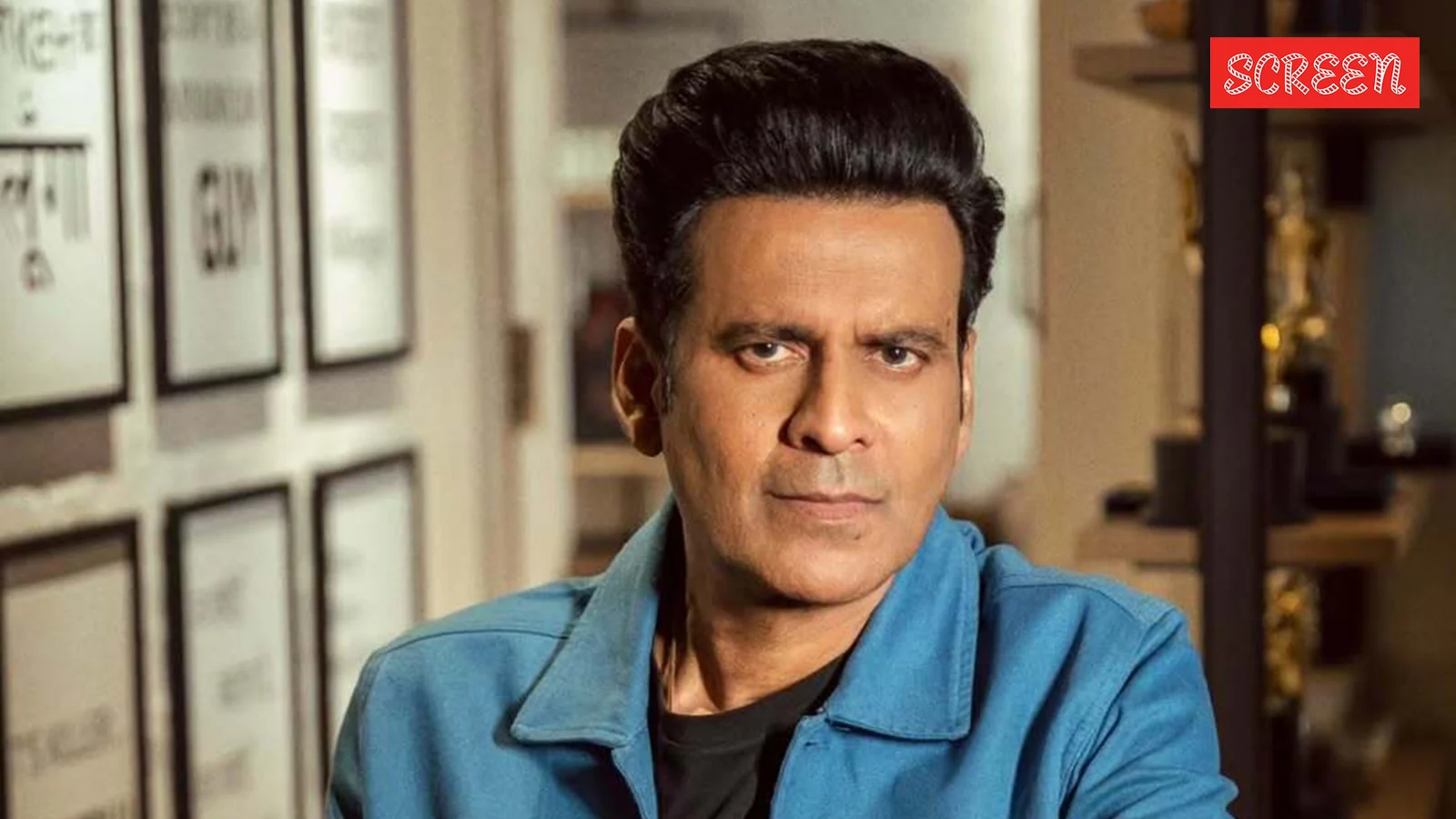
Bajpayee took to his Instagram account and addressed the delicate situation. He wrote, “I respect the emotions and concerns people have shared, and I take them seriously. When something you are part of causes hurt to some people, it makes you pause and len. As an actor, I come to a film through the character and the story I am playing. For me, this was about portraying a flawed individual and his journey of self-realisation. This was not meant to be a statement about any community.”
ALSO READ: Rajpal Yadav surrenders in Tihar jail after HC refuses deadline extension in cheque-bounce cases
(Photo: Instagram/Manoj Bajpayee)
The actor defended his director and said, “In my experience of working with Neeraj Pandey, there has been consent seriousness and care in how he approached his films. The filmmakers have decided to take down the promotional material in light of the public sentiment. This shows the seriousness with which the concerns are being taken.”
Neeraj Pandey apologises and takes down teaser
Before Bajpayee, Neeraj himself took to social media and decided to apologise for hurting sentiments. He wrote on Instagram that, “Our film is a fictional cop drama, and the term ‘Pandat’ is used simply as a colloquial name for a fictional character. The story focuses on an individual’s actions and choices and does not comment on or represent any caste, religion, or community… We understand that the title of the film has caused hurt to some viewers, and we genuinely acknowledge those feelings.”
He added, “In light of these concerns, we have decided to take down all promotional materials for the time being, as we believe the film should be experienced in its entirety and understood in the context of the story we intended to tell, rather than judged on partial glimpses. We look forward to sharing the film with audiences soon.”
Legal action against the film and director Neeraj Pandey
According to a report ANI, Neeraj Pandey and his team have been named in an FIR filed at the Hazratganj Police Station, Lucknow. The makers are being attacked for the title, with the complainants claiming that it “hurt religious and caste sentiments.” The teaser of the film suggests that the protagon, played Manoj, is a corrupt police officer. This doesn’t sit right with many people who are claiming that this creates an unnecessary correlation between a certain caste and corruption or other vices.Story continues below this ad
A writ petition has also been filed at the Delhi High Court, demanding a stay on the release of the film. The legal problems and red tape don’t stop there, as the makers also have to deal with complaints to the Minry of Information and Broadcasting and allegations from the Film Makers Combine.
The former problem is a result of a letter sent NHRC (National Human Rights Commission) to the I & B minry. The complaint suggests that the film promotes “negative stereotypes” and it disregards the complexities of India’s “social fabric”.