

McDonald’s hash brown price rise in US? Here’s the truth about viral post
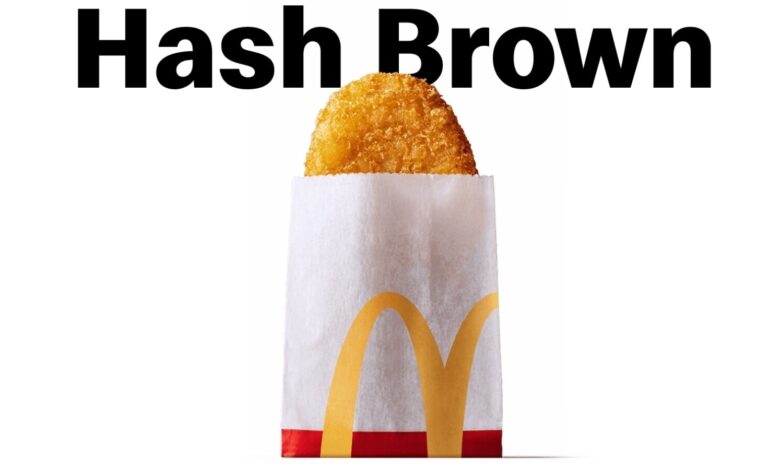

McDonald’s hash browns dominated online chatter the past week, with many complaining about increasing prices impacting everything – including the fried potato dish. In the US, McDonald’s allows franchisees to set prices depending on local conditions, like rent and labor. (McDonald’s Australia) All this began when a person on Threads posted that how could McDonald’s be charging $4.35 for a hash brown. So, is McDonald’s charging four dollars for a hash brown? Here’s the truth. How much McDonald’s charges for hash brownsThe post, it turned out, was made someone in Australia, so when they wrote $4.35, it was Australian dollars (AUD). This translates to around $2.82 in the US. In the US, McDonald’s allows franchisees to set prices depending on local conditions, like rent and labor, Washington Post noted. Thus, there is no fixed single price of hash browns across the country. Typically, areas with higher costs of living will also have higher hash brown prices! Technomic reported that the average price is $2.38, while ranges vary from $1.99 to $3.99. Washington Post reported that it cost $3.99 in downtown San Francisco and $1.99 in downtown Boston. However, given that hash browns are part of the “buy one, add one for $1” menu, which is available nationally, the item could be purchased at a much lower price if one were to order multiple things off the menu. The increasing cost of fast food pricesMcDonald’s has seen fast food prices rise. The average cost of an item shot up 40 percent between 2019 and 2024, Washington Post reported. McDonald’s profits have risen in the second quarter behind a rebound in US sales but executives noted that low-income consumers remained under economic stress. McDonald’s Chief Executive Chropher Kempczinski described the US consumer base as “bifurcated,” with weakness in low-income consumers a reason for lingering caution on the outlook, he said at the outset of an earnings conference call. “There’s a lot of anxiety and unease with that low-income consumer,” Kempczinski said. “I think we could all speculate the reasons for that, probably tariffs and the impact that might have, be questions around the employment situation.” People are either skipping meals like breakfast, “or they’re trading down, either within our menu or they’re trading down to eating at home,” he said. (With agency inputs)

