

Meet the animal that is known as one of the most invasive destructive species in the world | Pets-animals News
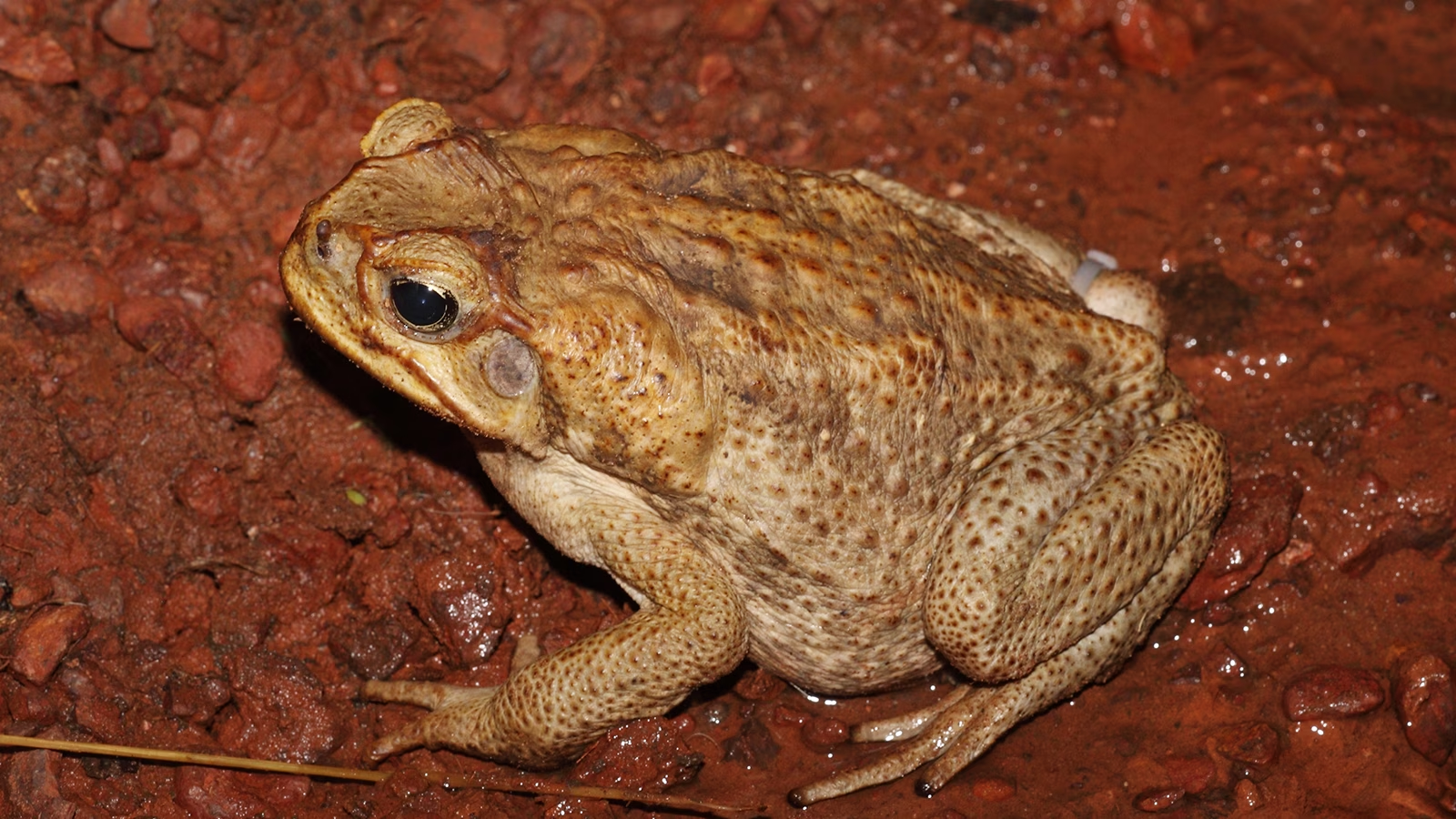

You might not expect a toad to be so infamous, but the cane toad (Rhinella marina) has made a name for itself as one of the world’s most problematic invasive species.
Originally from Central and South America, cane toads were introduced to other parts of the world, like Australia, in an attempt to control beetle pests damaging sugarcane crops, according to National Geographic. Unfortunately, instead of solving the problem, they created an entirely new one.
For starters, cane toads have a powerful toxin called bufotoxin that they release from glands behind their eyes. This stuff is deadly to a lot of animals that try to eat them, pets and native wildlife alike.
Story continues below this ad
Predators like quolls, goannas, snakes, and even crocodiles have suffered catastrophic population declines after ingesting them. In places where the toads were introduced, many of these native species have seen their numbers plummet because they just aren’t prepared to handle the toxin.
On top of that, cane toads are not picky eaters. They’ll eat almost anything they can get their mouths on, bugs, small animals, even garbage, which means they compete directly with native species for food.
Originally from Central and South America, cane toads were introduced to other parts of the world, like Australia, in an attempt to control beetle pests damaging sugarcane crops (Source: Wikimedia Commons)
Then there’s how quickly they multiply. Female cane toads can lay between 8,000 and over 30,000 eggs per clutch and may breed multiple times per year, according to Encyclopaedia Britannica. This rapid reproduction means their populations can explode in a short amount of time.
What makes things worse is that in new environments like Australia or parts of the US, there aren’t many predators that can safely eat cane toads. Plus, these toads are super adaptable and can thrive in all sorts of habitats, from cities to farmlands.Story continues below this ad
Since they were first brought to Queensland in Australia back in the 1930s, cane toads have spread rapidly, causing huge declines in native wildlife. According to the Environmental Literary Council, some predators have lost up to 90% of their populations because of these toxic invaders. They’ve also become a problem in places like Florida, where they can poison pets if not kept away.
Scients and conservations are working hard to fight back, The Guardian reported. In Western Australia, for example, researchers have developed ways to “train” native crocodiles not to eat cane toads making them associate the toads with bad experiences. This has helped reduce crocodile deaths a huge margin.
There’s also exciting work being done with gene-edited tadpoles that never grow up and instead eat other cane toad eggs—potentially a clever way to slow down their numbers.
