

‘Mere liye gym hi kaafi hai’: Gautami Kapoor joins the banter, playfully repeats Ekta Kapoor’s words on Ram’s transformation; expert on natural vs. medical interventions | Lifestyle News
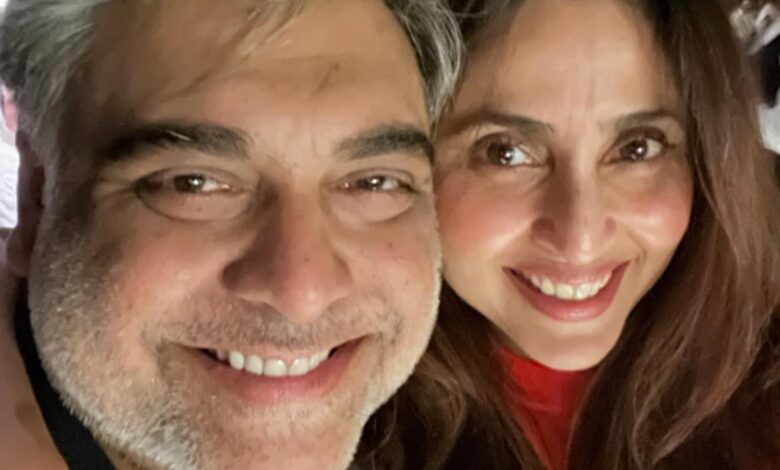

Actor Ram Kapoor’s wife Gautami Kapoor recently shared a video on her Instagram, playfully mimicking Ekta Kapoor in response to her remarks on Ram’s weight loss journey earlier.
In the video, Gautami humorously questioned whether she should follow an anti-inflammatory diet, take medications like Mounjaro and Ozempic, or simply “zip her mouth.” She seemed to say this in the same tone that Ekta had used while commenting on Ram’s transformation. Adding her own tw, she referenced one of Ekta’s famous show starring Ram, and quipped, “But I think mere liye gym hi kaafi hai. Kyunki humein bade nahi, chhote hi achhe lagte hain (Because we don’t like the big ones, we like the small ones).”
Gautami further stated in her caption that people should be allowed to do what they prefer when it comes to their health. She wrote, “Jisse jo pasand ho…. use woh karne do (Let everyone do what they like)….. live and let live…… at the end what matters is health, happiness and peace.”
Story continues below this ad
Her post came after Ekta had shared a video reacting to Ram’s claims that he had lost weight purely through hard work, without medical intervention. In her post, she said, “Should I take pharmaceutical drugs like Mounjaro and Ozempic, follow an anti-inflammatory diet, or just keep quiet?” She then questioned if she should just accept things as they are, concluding with, “Ya chhod doon, hum bade hi acche lagte hain.”
So, why do discussions around weight loss often turn into debates about natural vs. medical interventions, and how does this impact people trying to lose weight?
Dr Vajalla Shravani, MPT, fitness and pilates expert at Tone30 Pilates, tells , “Weight loss is a deeply personal and complex journey, yet it often becomes a public debate about the ‘right’ way to do it. Some people view medical interventions, such as weight-loss medications or surgical procedures, as shortcuts, while others recognise them as necessary tools for those struggling with metabolic conditions or obesity-related health risks.”
This debate can create unnecessary pressure on individuals, she adds, making them feel as though they must justify their choices. It is important to recognise that weight management is not one-size-fits-all. “For some, lifestyle changes like diet and exercise are enough, while others may need medical support due to genetic, hormonal, or metabolic factors. Instead of framing the conversation as natural vs. medical, the focus should be on sustainable health improvements that align with an individual’s body, lifestyle, and long-term well-being,” notes Dr Shravani.
Is there a right or wrong approach to weight management, or does it entirely depend on individual needs and lifestyle choices?
According to Dr Shravani, there is no universal “right” approach to weight management. Every individual’s body responds differently to dietary patterns, exercise routines, and even stress levels. What works for one person may not work for another, and the best approach is the one that is sustainable, enjoyable, and supports overall health.
She adds, “Factors like genetics, medical conditions, mental well-being, and lifestyle constraints all play a role in determining the best weight management strategy. Some people thrive on structured meal plans, while others benefit from intuitive eating. Some prefer high-intensity workouts, while others find consency in yoga or walking. The key is finding a method that enhances health without becoming an obsession.”Story continues below this ad
The goal of weight management should not just be about losing weight but about feeling energetic, strong, and healthy in a way that is maintainable for the long run.