

Migratory birds in India

Every winter, as temperatures fall in far-off places, India becomes a safe and welcoming home for millions of migratory birds. Birds travel thousands of kilometres from frozen Siberian wetlands and the grasslands of Central Asia and Europe to reach India’s warmer lakes, marshes, riverbanks, grasslands, and coasts. When they arrive, these places come alive with colour, sound, and movement. For birdwatchers and nature lovers, winter is the best time to see species that are rarely spotted at other times of the year. Here are some of the most interesting migratory birds to watch for this winter.
Bar-Headed Goose
Bar headed goose (Photo: Wikipedia)
The bar-headed goose is one of the most iconic winter visitors and a true marvel of endurance. These geese are known for flying over the Himalayas at incredible heights, sometimes above 27,000 feet, which surprised even scients. You can see large flocks of them in northern India, especially in wetlands like Keoladeo National Park (Rajasthan), Pong Dam Lake (Himachal Pradesh), and Chilika Lake (Odisha). Their grey bodies, white heads with bold black bars, and loud honking calls make them a favourite among birders and photographers.ARTICLE CONTINUES BELOW VIDEO
Amur Falcon
Amur Falcon (Photo: Wikipedia)
The Amur falcon is one of the world’s greatest aerial travellers, making an amazing journey from eastern Russia and China to southern Africa. India is a key stop on their route. Nagaland is especially famous for hosting nearly a million of these falcons each year. Seeing these small raptors fill the sky during migration is one of the most dramatic natural sights in India. Their growing numbers show how community conservation has helped turn them from once-threatened birds into celebrated winter visitors.
Greater Flamingo
Flamingo (Photo: Wikipedia)
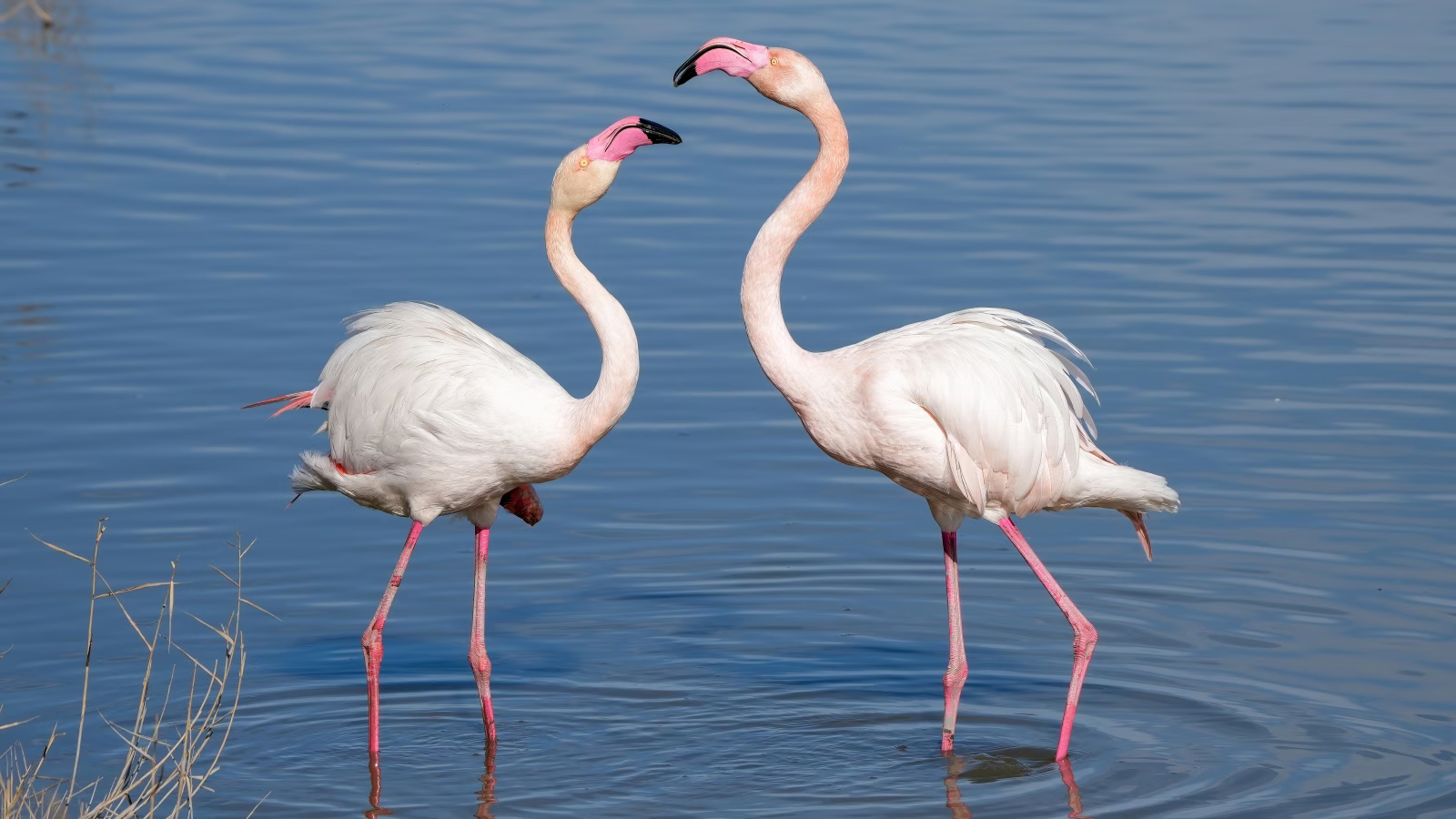
Graceful, charismatic, and instantly recognisable, greater flamingos migrate in large flocks to India’s coastal regions every winter. Mumbai’s flamingos have become urban icons, with the city’s mudflats and the Thane Creek Flamingo Sanctuary turning pink with their arrival. Gujarat’s Kutch region and parts of Tamil Nadu and Andhra Pradesh also attract thousands each year. These birds travel from Iran, parts of Africa, and Central Asia, feeding on algae, crustaceans, and plankton that give their feathers a rosy glow. Their synchronised movements and elegant posture make them a perennial favourite among wildlife photographed.
Northern Pintail
Northern Pintails (Photo: Wikipedia)
A common yet strikingly elegant winter visitor, the northern pintail is easily identified its long, pointed tail feathers and sleek body. These ducks travel from Europe, Northern Asia, and Siberia, stopping at India’s freshwater lakes and marshes. They are often seen dabbling gracefully in the shallow waters of Bharatpur, Harike Wetland (Punjab), Deepor Beel (Assam), and Surajpur Wetland (Uttar Pradesh). Their calm behaviour and frequent presence near other migratory duck species make them a perfect bird for beginner birdwatchers to spot.
Rosy Starling
Rosy Starling in Jamnagar, Gujarat (Photo: Wikipedia)
Unlike many solitary migrants, rosy starlings travel in massive flocks that can transform entire trees and fields into shifting clouds of pink and black. These birds arrive from Eastern Europe and Central Asia to escape the harsh winters, and India becomes their bustling seasonal home. They are especially visible in Maharashtra, Gujarat, Rajasthan, and Karnataka. At times, thousands of land simultaneously to feed on fruits or berries—a spectacular and noisy sight that local communities often enjoy.
Siberian Ruthroat
Siberian Ruthroat (Photo: Wikipedia)
For those who enjoy seeking lesser-known or elusive species, the Siberian ruthroat is a true winter treasure. This small passerine bird, known for the brilliant ru-red patch on the throats of males, migrates from Siberia to northern and eastern India. It prefers dense undergrowth, making it a thrilling find for birders who visit the Himalayan foothills, Northeast India, or mo forest patches of Uttarakhand and West Bengal. Its shy nature adds an element of adventure to every sighting.

