

Mirabai Chanu eats boiled chana and mushrooms in her diet
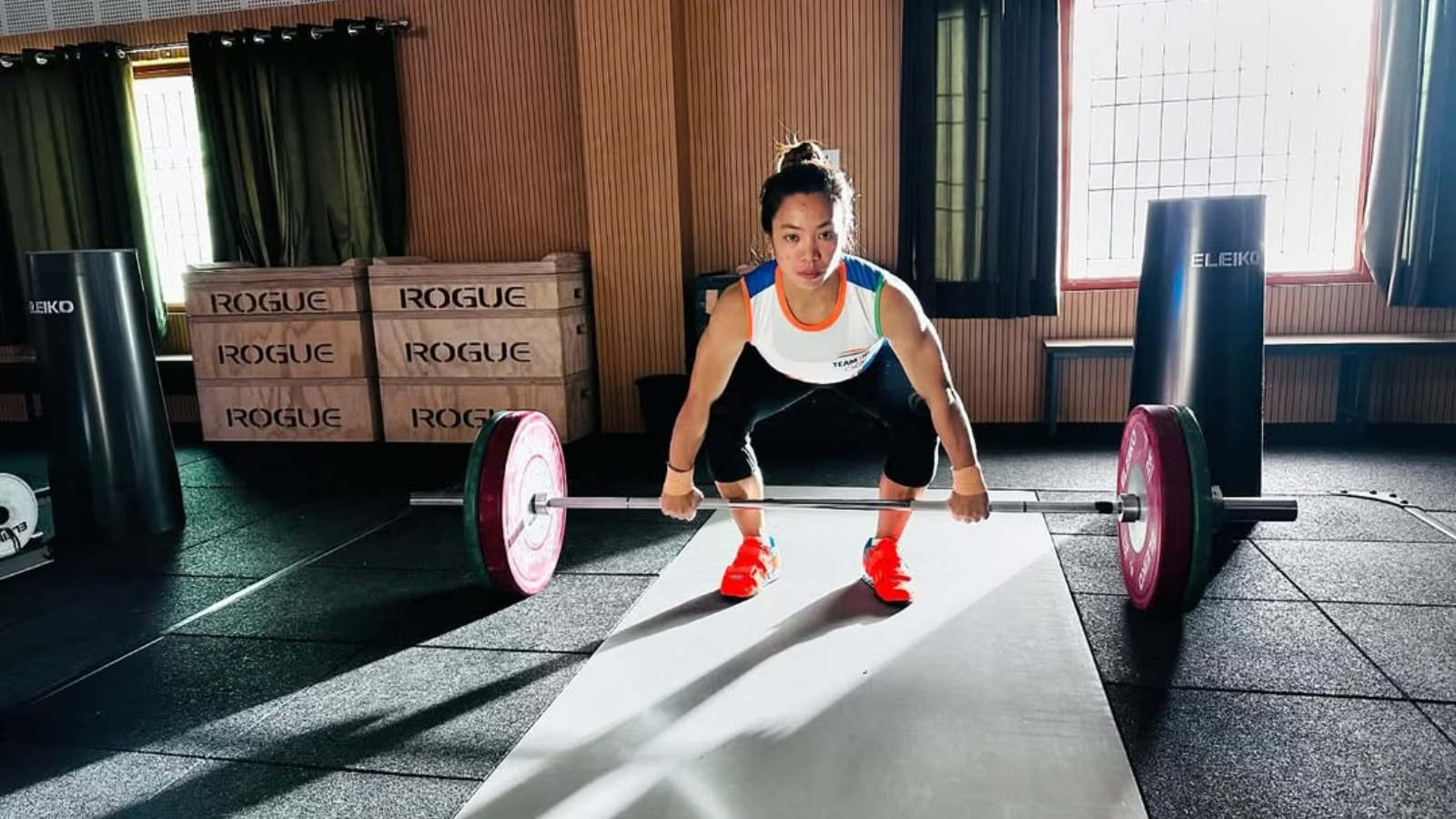

“Sabko lagta hai ki weightlifters hain, toh bahut zyada khaate hongey, par hum itna nahi khaate… kyunki weight control karke rakhna padta hai,” said champion weightlifter Mirabai Chanu in an interview. Speaking to The Lallantop, the 2020 Tokyo Olympics silver medal shed light on weightlifters’ diet plans and the myth that athletes tend to eat a lot.On the contrary, athletes have a strict diet plan to ensure they don’t gain unnecessary weight. “Sab players ka alag diet hota hai, boxers ka, athletes ka…,” Chanu pointed out during the interview.
But why are athletes required to eat less?
“Well, that’s not exactly true,” nutrition and personal trainer Deepika Sharma told . She stressed that not all athletes eat less. Endurance athletes (like marathon runners) often eat more because they burn massive amounts of energy over long periods. Their diets are high in carbohydrates to keep their muscles supplied with glycogen.
However, for weight-class athletes (like Chanu) who need maximum strength at minimal body weight, eating less means keeping calories tightly controlled so they don’t move up to a heavier category. It’s not starvation but precision, elaborated Sharma.
“If we talk about weightlifters, specifically Chanu, being just 1 kg heavier could push her into a different weight class, so food intake has to be monitored almost gram gram. For under 50 kg, staying at 49kg is the maximum leverage,” added Sharma.
Is less more?
Sharing her diet chart, the weightlifter emphasised that weightlifters must maintain their weight. And to do that, a nutrition-rich diet of vegetables and proteins is what they intake.
Here’s what Chanu’s health-oriented diet plan looks like:
“Mai breakfast mei leti hu, boiled egg, boiled chana, boiled mushroom…hum bread bhi nahi le sakte, hum doodh bhi nahi le sakte, kyunki weight maintain karna hota hai,” she revealed.
Seconding this, nutrition Sharma said a weightlifter’s ideal diet includes the right amount of protein and carbohydrates. Story continues below this ad
She shared: “A weightlifter can have peanut butter or oats + milk for breakfast. Post-training, they can have protein or paneer along with fruits. For lunch, rice/chapati in small portions with any meat, such as chicken/fish/lentils and vegetables, should be doable.
Even for Chanu, lunch is all about less-is-more. “…lunch mei zyada se zyada salad or seafood hi khaati hun… kyunki training karna hai, digest karna hai…”
The nutrition further recommended a combination of yoghurt and fruits for evening snacks and a simple meal comprising dal/tofu/eggs, and veggies, along with light carbs for dinner.
Bread as a deal breaker?
If you are an aspiring athlete, make a note that breads and rice are seemingly out of sight. And as Chanu said, “bread aur rice nahi khaa sakte…” However, the nutrition believes that context matters. Story continues below this ad
“For the Tarahumara tribes who run almost 50-100 km every day, their diets are primarily copious amounts of carbs and nothing much. For runners or endurance sports, bread means carbs and carbs mean fuel for long dances. Milk contains protein and calcium, which are needed for muscle recovery and bone health after repeated impact,” added Sharma.
Curating meal hours
As an athlete, Chanu starts her day at 6 am, followed a half-hour work session till 7:30 am and breakfast at 8 am.
“Ek ghante ke liye workout karte hein hum… mobility, stretching, running, PT…fir 8 baje breakfast karke…fir 10 am – 12:30 pm tak weight training hoti hai…”
Though it may vary for everyone. “Timing looks different for endurance vs. explosive athletes. Similarly, for runners, eating carb-heavy meals before runs helps keep their glycogen stores full. Mid-run fueling (bananas, gels) prevents energy crashes. After a run, a mix of carbs and protein helps repair muscles and replenish energy,” explained Sharma.Story continues below this ad
In Chanu’s case, timing ensures she stays strong and recovers quickly without overshooting calories, which could lead to weight gain.
“Weightlifters should focus on protein intake spread across the day to build and maintain muscle density. Pre-lift, a balance of carbs and protein for energy and focus. Post-lift: quick protein (milk, whey, eggs) to aid recovery within the 30–45 min window,” concluded the nutrition.
DISCLAIMER: This article is based on information from the public domain and/or the experts we spoke to. Always consult your health practitioner before starting any routine.