Perseids meteor shower tonight: Here’s how to watch rare sight and Northern Lights
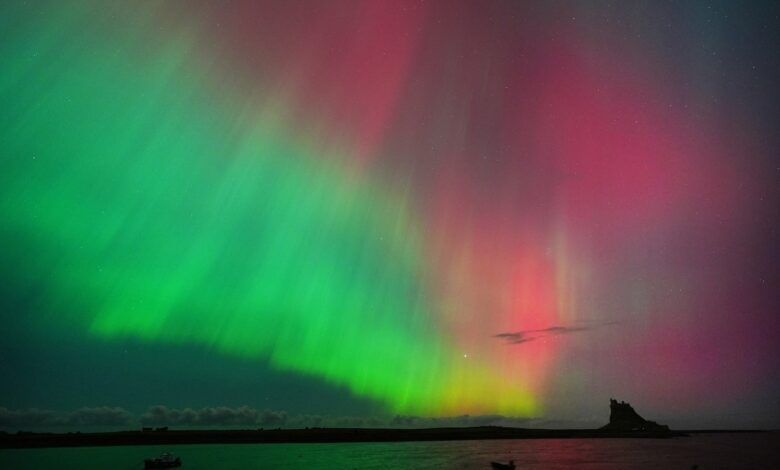

The night sky promises an extraordinary display tonight, August 13, as one of the year’s brightest meteor showers, the Perseids, coincides with possible sightings of the northern lights. The Perseids, known for their fast and brilliant fireballs, are caused debris from Comet Swift-Tuttle burning up in Earth’s atmosphere. At the same time, auroral activity may occur thanks to ongoing solar winds interacting with Earth’s magnetic field, reported People. Where and when to watch the Perseids and Northern Lights. (Owen Humphreys/PA) When to watch the PerseidsAccording to another CNN report, the Perseids peaked earlier on Tuesday afternoon, but the best viewing opportunities come tonight in the early hours of Wednesday. There are two main windows for catching meteors: Evening Window (Aug. 12–13): Between dusk and moonrise, there’s roughly an hour of darker skies before the bright waning gibbous moon rises. Pre-Dawn Window (Aug. 13): The last couple of hours before sunrise offer another chance. While the moon will still be bright, the most luminous meteors can be spotted facing north toward the constellation Perseus. This year’s full moon glow will limit visibility to around 10-20 meteors per hour instead of the usual 40-50, but bright fireballs will still stand out, the CNN report added. Also read: Atlas may not be a typical comet, could be alien mission, says Harvard physic When and where to see the Northern LightsThe People report cited NOAA’s Space Weather Prediction Center, solar wind streams from multiple coronal holes are boosting auroral potential with the Kp index expected to reach about 3.67. While the chance of a minor G1 geomagnetic storm is slowly declining, northern regions like Alaska and northern Canada could see shimmering auroras tonight if the skies are dark and clear. Other celestial sights tonightIn addition to meteors and auroras, skywatchers can spot Venus and Jupiter, which are still close after a conjunction, shining brightly in the eastern sky before sunrise, the CNN report stated. Saturn will also be rising before midnight near the moon, which will add to the night’s spectacle. Viewing tipsFind a dark site far away from city lights. Your eyes will need nearly half an hour to get accustomed to the dark environment. Look north for auroras; celestial objects around 40° over Perseus herald meteor activity. Make sure you are dressed for the cold and bring a blanket or chair. Be patient, as the very best shows can take their time. FAQsWhat causes the Perseids?They are fragments from Comet Swift-Tuttle burning up in Earth’s atmosphere at high speeds. Why is the meteor count lower this year?The bright moonlight washes out fainter meteors. Where can I see the northern lights?Best chances are in far northern regions such as Alaska and northern Canada. When is the next big meteor shower?The Orionids, peaking October 22–23, will be the next major celestial event.