Red, Grey or Rainbow squirrels: Which is the most dangerous?
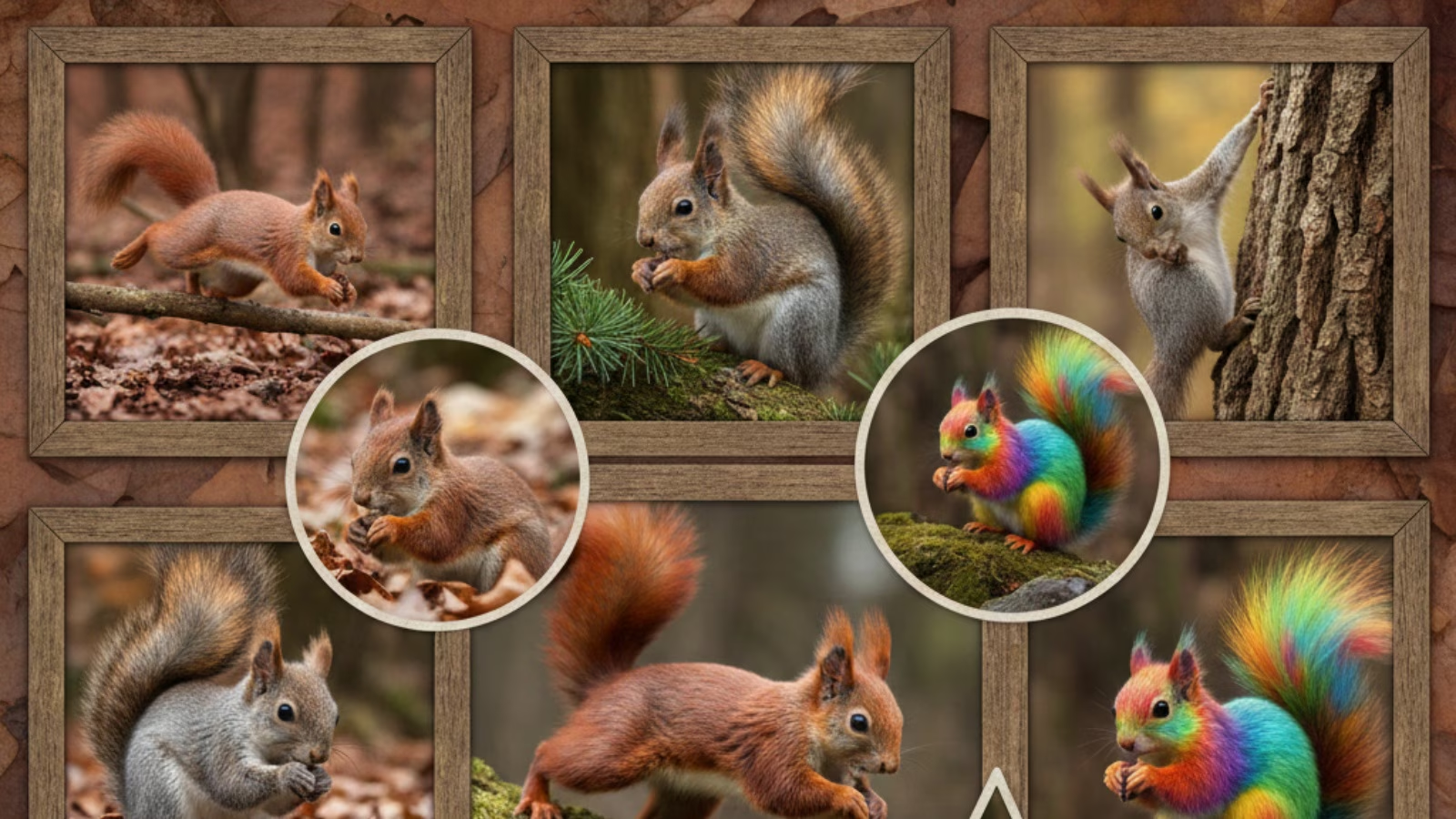

Squirrels may look universally cute with their bushy tails and quick, darting movements, but not all squirrels are the same. From the fiery-coated red squirrel to the adaptable grey squirrel and the dazzling rainbow squirrel, these small mammals differ dramatically in origin, behaviour, and ecological impact. Here’s a closer look at what makes each unique — and which one is considered the most dangerous.The Red squirrel (Sciurus vulgaris) is native to Europe and parts of northern Asia. Recognisable its russet-red fur, tufted ears (especially prominent in winter), and smaller frame, it is a symbol of woodland ecosystems across the UK and Scandinavia.
Diet: Red squirrels primarily eat seeds from conifer cones, hazelnuts, berries, fungi and occasionally bird eggs. They are skilled at storing food caches for winter.
Where they are found: Today, they survive mainly in parts of Scotland, Ireland, Scandinavia and Russia. Their numbers have declined significantly in the UK.
What makes them unique: They are specials in coniferous forests and have adapted to efficiently extract seeds from pine cones. However, they are more vulnerable to habitat loss and disease.
Types of squirrels (Photo: Wikipedia)
Grey Squirrel
The Eastern gray squirrel (Sciurus carolinensis) originated in North America but was introduced to Britain and parts of Europe in the late 19th century.
Diet: Grey squirrels are opportunic feeders. They eat nuts, seeds, fruits, fungi, tree bark and occasionally small birds or eggs. Their flexible diet gives them a survival advantage.Story continues below this ad
Where they are found: Native to the United States and Canada, they are now widespread in the UK, Ireland and parts of Italy.
What makes them unique: Grey squirrels are larger, more adaptable and more competitive than red squirrels. They carry the squirrelpox virus, which does not harm them but is deadly to red squirrels.
Most dangerous? Ecologically, yes. Grey squirrels are considered the most damaging among the three because they outcompete red squirrels for food and habitat, and spread disease. They also strip tree bark, harming woodland health.
Feature
Red Squirrel
Grey Squirrel
Rainbow Squirrel
Origin
Europe & Asia
North America
India
Size
Small
Medium
Large
Adaptability
Moderate
High
Moderate
Ecological Impact
Native species
Invasive in Europe
Native forest species
Danger Level
Low
High (ecologically)
Low
Rainbow Squirrel
The so-called Malabar giant squirrel (Ratufa indica), often nicknamed the “rainbow squirrel,” is native to India. Unlike the small red and grey species, this is a giant tree squirrel known for its striking multicoloured fur — a blend of deep maroon, rust, purple, cream and orange.Story continues below this ad
Diet: Rainbow squirrels feed on fruits, nuts, flowers, tree bark and occasionally insects. They are primarily herbivorous.
Where they are found: They inhabit tropical forests in India, particularly in the Western Ghats, central India, and parts of Maharashtra.
What makes them unique: Their size and colouration set them apart. Growing up to three feet long (including tail), they spend most of their lives in treetops and can leap dances of up to 20 feet between branches.
Are they dangerous? Not to humans. They are shy, arboreal and rarely come into close contact with people. However, like all wildlife, they can bite if threatened.Story continues below this ad
Similarities between the three
Despite their differences, all three species:
Belong to the squirrel family (Sciuridae)
Have strong hind legs for jumping and climbing
Use their tails for balance and communication
Store food for future use
Play important roles in forest regeneration dispersing seeds