

Why Lizards Return to Eat Their Discarded Limbs

4 min readNew DelhiFeb 16, 2026 04:58 PM Have you ever seen any animal eating its own body? However absurd and horrifying it may sound, in the wild, some animals actually eat parts of their own bodies. Sometimes it’s a survival strategy to reclaim nutrients, sometimes it’s to fuel regeneration, while some do it to escape danger. From lizards to spiders, self-cannibalism may also help reduce scent traces that attract predators, recycle essential minerals, or sustain the animal during food scarcity.
Here are six such animals that engage in “self-cannibalism” in some way.
Octopuses
When octopuses, particularly Octopus vulgaris and related species, are kept in captivity, they may become severely stressed and begin biting or even amputating their arms. Similarly, some neurological conditions, or even conscious efforts to escape a predator or prevent an infection from spreading, can trigger this. Additionally, like the postpartum depression in human females, octopuses also go through many hormonal changes after laying eggs. Sometimes it may activate a self-destructive trigger and lead them to bite off their arms.
Lizards
Lizards such as fat-tailed geckos, red-tailed skinks, grass lizards, green anoles, and leopard geckos can drop their tails when attacked to dract predators. After escaping, many of them eat the detached tail to recover lost fat, nutrients, and calcium. This behaviour is common among skinks and lizards and can account for up to 20% of their stored energy, particularly during food shortages or stress.
Female African social spiders can sometimes allow themselves to be eaten the young to ensure the brood’s survival (Image: Wikimedia Commons)
Spiders
In some spider species—such as the black lace-weaver, desert spider, and social Stegodyphus spiders—mothers sacrifice themselves for their offspring. After the eggs hatch, the spiderlings feed on the mother’s liquefied body, gaining vital protein that can make up about 30% of their early nutrition. Many spiders also chew off and consume injured or shed legs, recycling valuable nutrients such as proteins, minerals, and chitin rather than wasting them.
Crustaceans
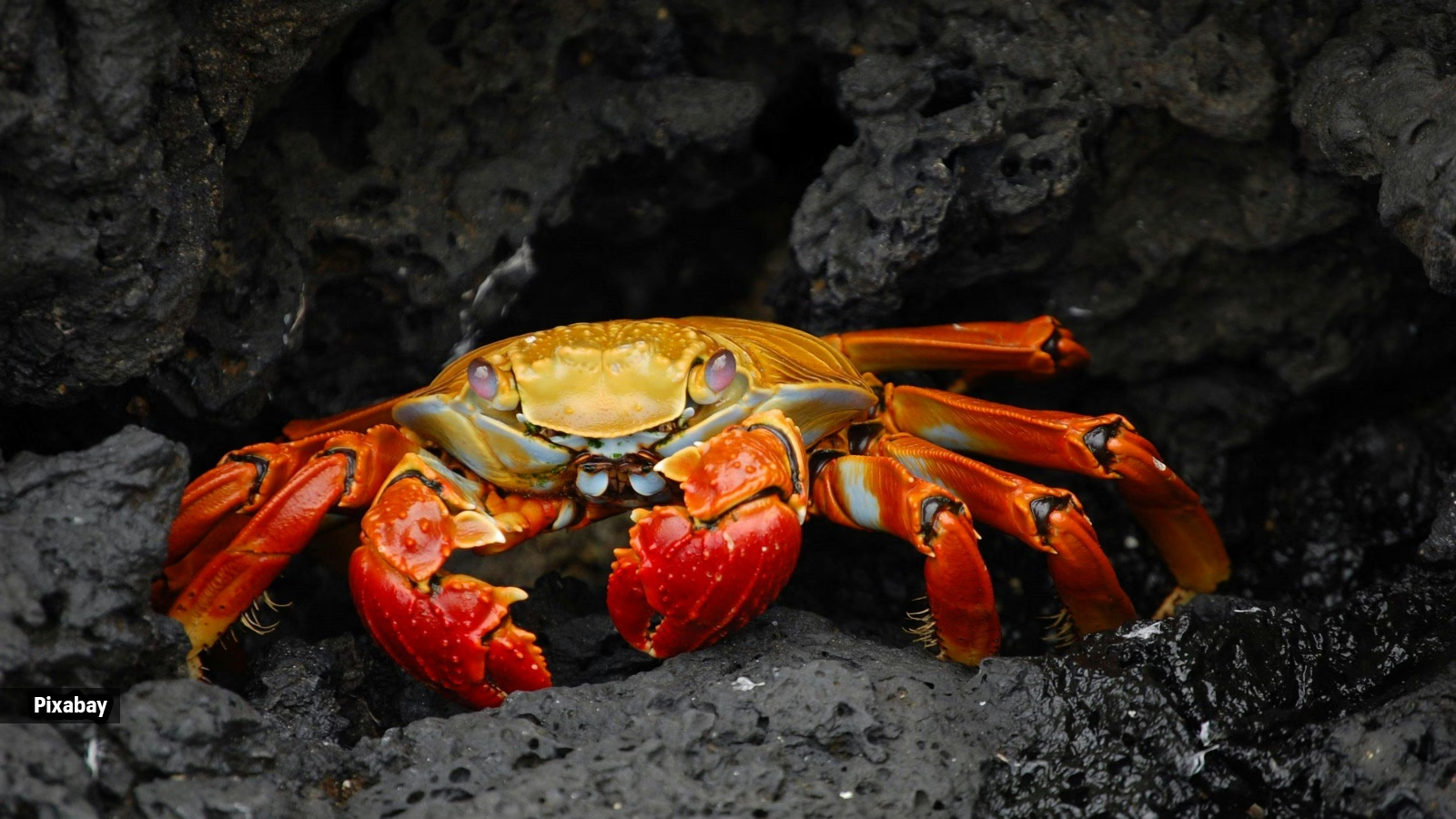
Autophagy, or eating one’s own body parts, is common among crustaceans such as crabs (e.g., hermit crabs), lobsters (Homarus spp.), and shrimp. As soon as they molt or shed their exoskeletons, these creatures start eating it to reclaim calcium and minerals, to recycle nutrients. In fact, there are also significant cases of cannibalism where these crustaceans attack and eat the soft bodies of fellow beings, as soon as they shed their hard exoskeleton.
Green tree frogs shed their skin periodically, often every couple of days, and then eat it (Image: pexels)
Frogs and Toads
Frogs are also fans of nutrient recycling via dermatophagy. In this context, frogs and toads, such as green treefrogs, routinely shed and eat their skin to recycle proteins, support skin microbiomes, and erase scent trails. According to some schools of thought, this behaviour may also potentially aid in self-immunisation against pathogens. These amphibians are also known to indulge in cannibalism. Story continues below this ad
Snakes
This behaviour, scientifically termed ouroboros, is extremely rare in snakes, having been reported only in captive snakes to date. When these reptiles in captivity are extremely stressed, for example due to temperature, their brains stop functioning properly, and they make their own tails for potential prey and attack them. Similarly, some captive snakes, such as garter snakes, California kingsnakes, and corn snakes, may occasionally consume shed skin to obtain minor nutritional benefits and to reduce scent trails.