

‘Roti se baas nahi aata hai, sabzi se…’: Adarsh Gourav on going to great lengths to avoid home-cooked meals; what early food aversions reveal about children | Lifestyle News
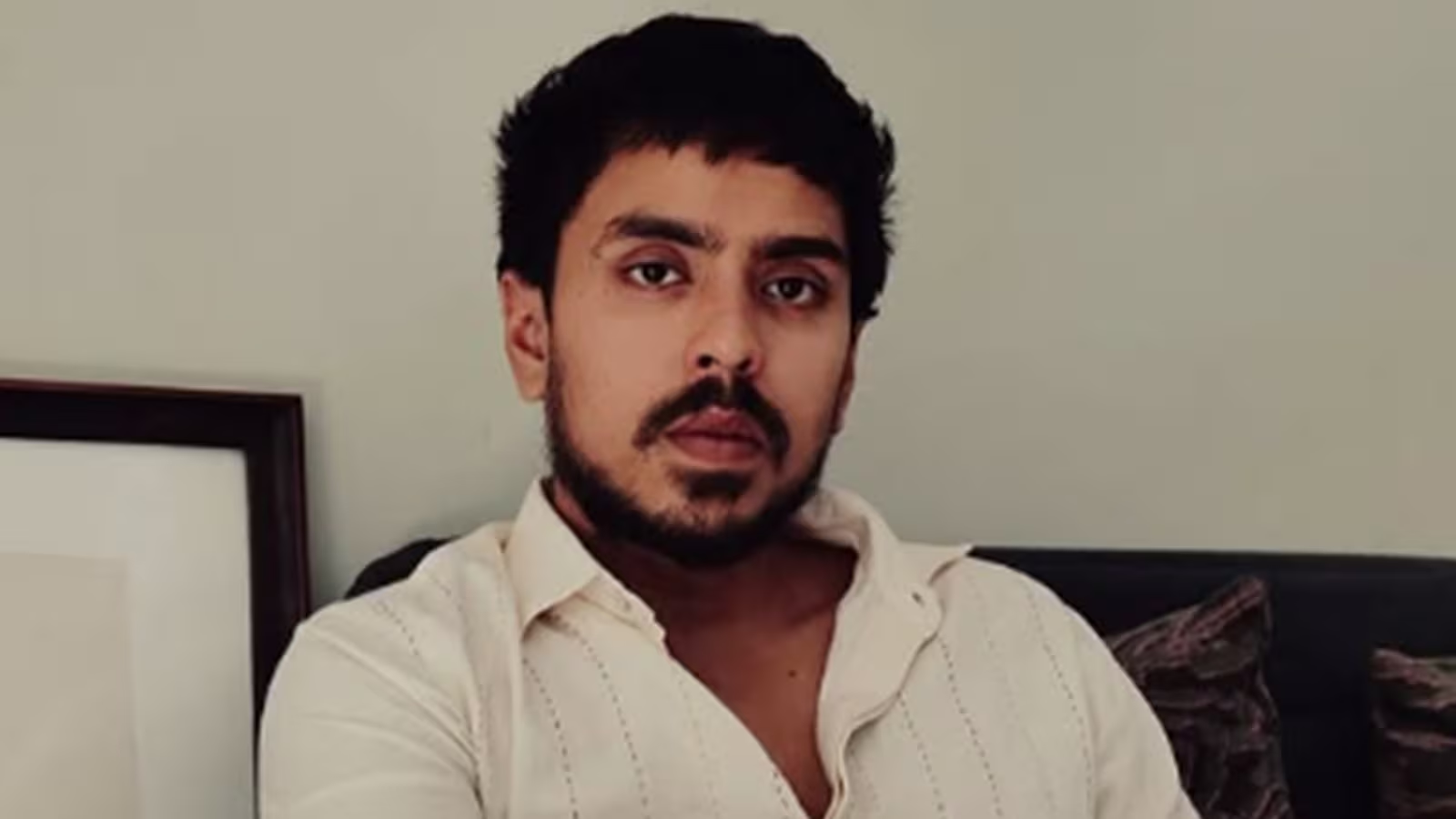

Sometimes, childhood eating habits can offer a deeper glimpse into a child’s emotions and relationship with food. Actor Adarsh Gourav recently confessed in an interview that he would go to great lengths to avoid eating home-cooked meals as a child.
Appearing on the Untriggered podcast, the Kho Gaye Hum Kahan actor said, “I didn’t like eating food, specifically food cooked at home my mom. So, I would keep throwing food away everywhere. I’d flush food, I’d throw chapatis on the fan during winter, and in the cupboard behind warm clothes, which I knew would be taken out only once a year. Just to do whatever I could to avoid food.”
When one of the hosts suggested he could’ve just chosen not to eat instead of throwing all that food away, he replied, “No, that wasn’t an option. I’ll get whacked. If my mom were to come back, see the food is in the casserole… khatam (you’re finished).”
When another host questioned if it smelled, Adarsh joked, “Roti se baas nahi aata hai, sabzi se baas aata hai (It’s not the roti that smells, it’s the curry that gives off the aroma).”
What could it indicate psychologically when a child repeatedly hides or discards food instead of eating?
Gurleen Baruah, exential psychotherap at That Culture Thing, tells , “When a child repeatedly hides or discards food instead of eating — especially when saying ‘no’ isn’t allowed — it can reflect more than dislike for a meal. Psychologically, it may point to a deeper conflict between wanting to stay true to their own needs and wanting to gain approval. In trying to please parents or avoid punishment, the child learns to appear compliant while secretly rejecting what’s being imposed. Over time, this can create a pattern where the child disconnects from their authentic self to be accepted.”
If repeated across situations, she adds, this behaviour can extend beyond food — showing up as people-pleasing, emotional suppression, or a fear of being fully honest.
How can parents balance discipline with empathy when their child refuses to eat home-cooked food?
Instead of using punishment or guilt, Baruah stresses, it helps to approach the situation with curiosity. Refusing food is sometimes a child’s way of asserting independence or expressing discomfort they don’t yet have words for.Story continues below this ad
Baruah states, “Balancing discipline with empathy means setting gentle routines around meals while also giving the child some agency — like involving them in choosing ingredients or preparing food. It also means avoiding labels like ‘fussy’ or ‘disobedient,’ and instead seeing the behaviour as a signal, not defiance.”
Could such early food aversion behaviours carry into adulthood?
Baruah says, “Yes, early food aversion can carry into adulthood, often showing up as rigid eating habits, guilt after meals, or emotional disconnection from hunger and fullness cues. When food was tied to control, shame, or pressure during childhood, it can lead to a pattern where eating feels more like a task or a coping mechanism than a source of nourishment.”
Rebuilding a healthier relationship with food starts with slowing down and tuning into the body. Therapy or working with a nutrition can help unpack early messages around food and create new, non-judgmental habits.
