Why blue whales are going eerily silent and what does it mean. Scients raise alarm
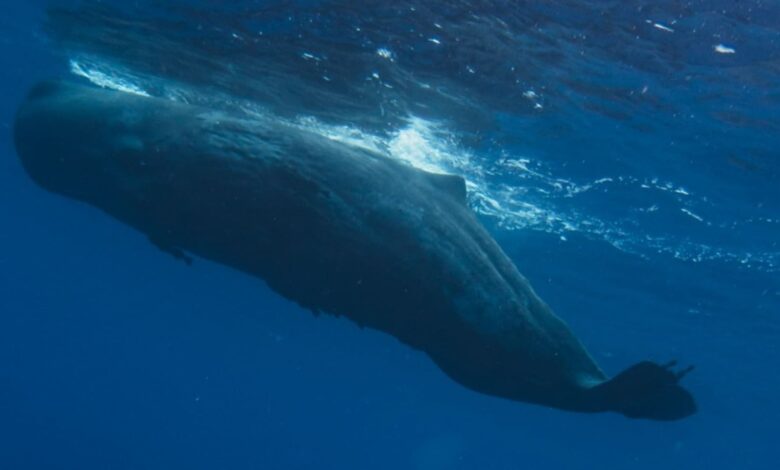

Blue whales are going eerily silent, and scients across the world are concerned. Researchers have raised alarms after noticing a drop in the number of vocalizations from the marine mammals. A team of scients used underwater hydrophones to record and trace the sounds of marine life to study the impact of human activity on whales, the National Geographic reported. A detailed study published in the PLOS One journal revealed that heat waves have triggered worrying changes over several years. Toxic algae is ‘undermining food sources for whales’. Scients have warned that blue whales are going silent(Unsplash) “It caused the most widespread poisoning of marine mammals ever documented. These were hard times for whales,” coauthor and Monterey Bay Aquarium Research Institute biological oceanographer John Ryan told NatGeo. Read More: Animal Crossing Fireworks Show 2025: How long does it last and does Redd’s Raffle make an appearance? The study further adds that blue whale vocalizations have dropped almost 40% as krill and anchovy are being killed heatwaves. . “When you really break it down, it’s like trying to sing while you’re starving,” Ryan added. “They were spending all their time just trying to find food.” Over six years, Ryan tracked seasonal and yearly whale song patterns in the central California Current Ecosystem. Recordings began in July 2015, revealing that humpback whale songs remained steady, but blue and fin whales were singing far less. Read More: Mysterious underground ‘hot blob’ moving towards New York? Scients puzzled The primary culprit, according to the study, was a decline in their primary prey, krill, triggered ocean warming during an intense marine heatwave. While humpbacks can adapt to changes in prey availability, blue and fin whales are almost exclusively krill feeders. When krill populations collapsed, so did the whales’ songs. The heatwave, known as The Blob, began in 2013 and spread from Alaska to Mexico, raising average ocean temperatures more than 4.5°F and covering over 3,200 kilometres of the Pacific. This wiped out vast swaths of krill and anchovies. “It’s like trying to sing while you’re starving,” Ryan said. The loss of krill, a foundation of the marine food chain, signals what scients warn is a serious and unfolding crisis in the world’s oceans amid accelerating climate change. Scients further explain that the duration of these heat waves has tripled since the 1940s. “There are whole ecosystem consequences of these marine heat waves,” Monterey Bay Aquarium marine biolog Kelly Benoit-Bird told NatGeo. “If they can’t find food, and they can traverse the entire West Coast of North America, that is a really large-scale consequence.”