Samsung absorbs EMI interest on phones to ease buyer burden: JB Park | Technology News


6 min readNew DelhiJul 28, 2026 02:01 PM As many Indians continue to feel the pinch of an uneven economy and rising living costs, a top Samsung executive says the company is doing everything it can to ease the burden on consumers absorbing the interest costs on EMI financing for its flagship smartphones.
“There are two components in EMI. One is the interest component, and the other is the device cost itself. In markets like the US or Europe, we have a subsidy from the operator that is spread out among the monthly subscription fees so that customers pay for the voice and data. But in an open market like India, the EMI cost includes the interest, which Samsung is bearing,” J B Park, President and CEO, Samsung Southwest Asia, told on the sidelines of the Galaxy Unpacked in London last week.
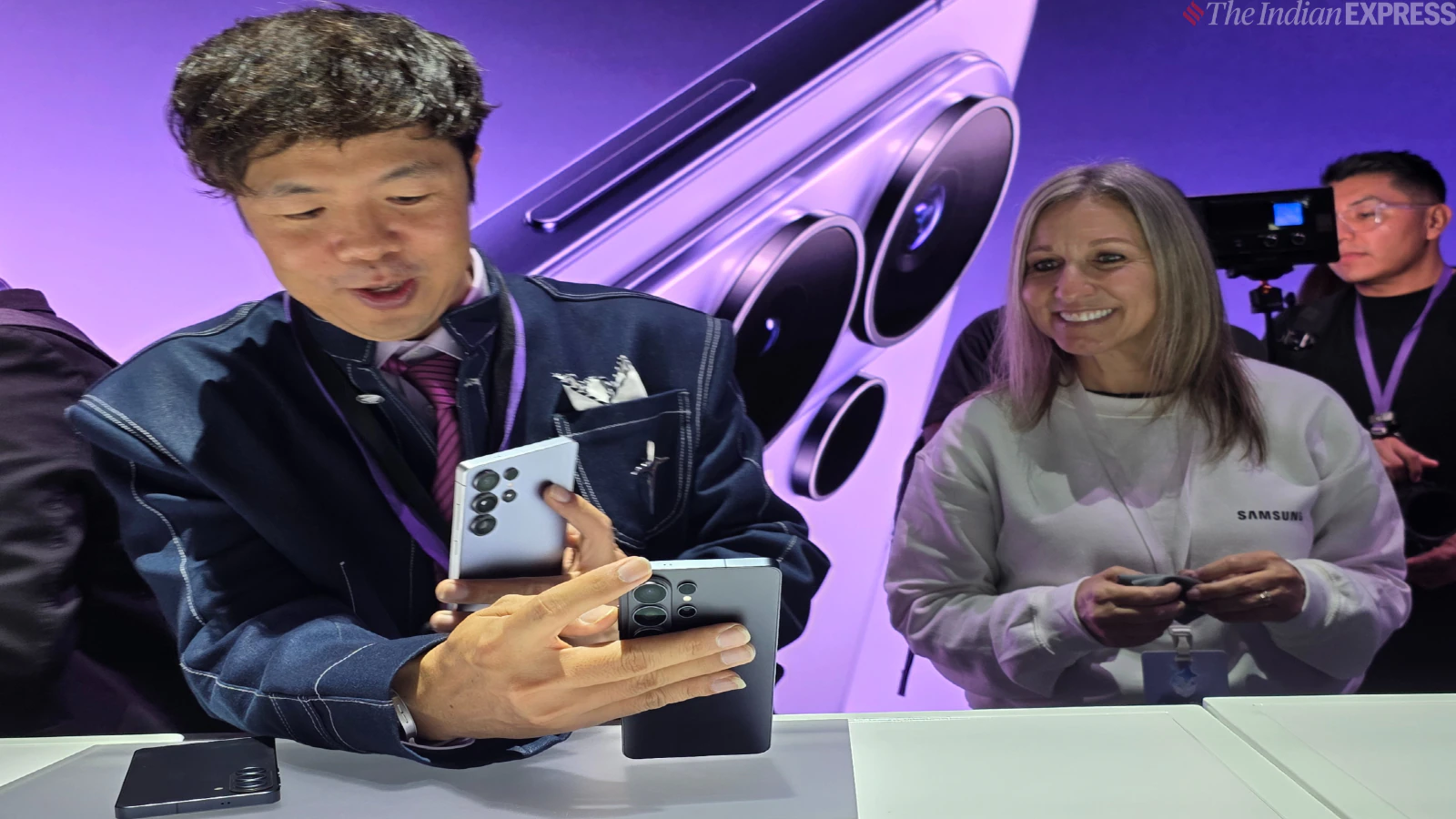
J B Park, President and CEO, Samsung Southwest Asia. (Image: Anuj Bhatia/The Indian Express)
“So, we are giving back, even though the cost of the device has been going up. We are bearing the cost of the interest for 24 to 30 months even on the flagship devices. That’s how we are trying to give back to customers,” Park added.
Monthly EMI plans and cashback offers play an important role in making high-end smartphones more accessible to consumers in India. Companies like Samsung and Apple have benefited immensely from this financing model, which has changed the way consumers purchase expensive smartphones and helped both phone makers expand their reach to a broader customer base.
However, this financing model could come under pressure as surging memory costs and tight supplies make premium smartphones more expensive worldwide, a trend that has hit consumer sentiment hard, particularly in India. If the memory crunch—driven largely artificial intelligence (AI) data centres hogging all the available RAM—perss, it could further increase smartphone prices, leading to higher EMI payments for consumers and additional pressure on their pockets.
All new Samsung hardware will begin shipping on August 7. (Image: Anuj Bhatia/The Indian Express)
Even though Samsung, the world’s largest smartphone maker, has a hefty cash cushion, supply chain leverage, and a customer base numbering in the millions, it also faces greater business uncertainty than smaller rivals. Its exposure higher in the market because, in recent years, the company has doubled down on ultra-premium smartphones. While these devices generate higher profit margins per unit, they are also more expensive to produce and market. A company as large as Samsung has little room to absorb higher production costs, especially at a time when the economy is already grappling with inflationary pressures.
For Samsung, despite navigating component shortages and rising production costs, the company still has the luxury of betting on new form factors and targeting affluent consumers who are willing to pay a premium for its flagship devices in a tight economy.Story continues below this ad
Foldables: More than 20% of Samsung’s flagship smartphone sales
Last week, the South Korean company refreshed its foldable smartphone lineup with three new models: the Flip 8, Fold 8, and Fold 8 Ultra. While Samsung retained its Book-style foldable design for the premium Ultra model, the Fold 8 (priced at Rs 1,79,999 onwards) version is aimed at a broader audience, featuring a shorter and wider form factor that is better suited for watching videos, reading, and gaming.
All new Samsung hardware will begin shipping on August 7, but there is growing interest in the wider foldable devices, with many industry insiders calling it the biggest smartphone clash of the year. Samsung is getting a head start on Apple, which is expected to unveil a similar passport-style design for its first foldable iPhone in September.
Samsung has been a leading player in the foldable smartphone segment, both globally and in India. (Image: Anuj Bhatia/The Indian Express)
Phones with this square-shaped design have underperformed commercially in the past, but Samsung and Apple remain confident that the new form factor—this time introduced in a foldable format—can help revive a stagnant smartphone market that has shown signs of maturity in recent years.
Park said more than 20 per cent of Samsung’s flagship smartphone sales come from foldables, and the company expects the segment to continue growing. International Data Corporation (IDC) expects the foldable phone market to grow 20 per cent year-over-year in 2026 and another 20 per cent in 2027, reaching 24.4 million units this year and 29.3 million units in 2027. The foldables segment has outperformed the broader smartphone market despite accounting for only 2.2 per cent of global smartphone shipments.Story continues below this ad
Samsung has been a leading player in the foldable smartphone segment, both globally and in India. More importantly, sales of high-end smartphones in India have been booming in recent quarters, even as the overall smartphone market has been shrinking. A massive consumer base and rising demand from smaller cities make the premium smartphone segment highly lucrative for companies like Samsung and Apple.
“We sell almost 65 per cent of our flagship devices in tier 2, tier 3 and rural markets. So, flagship sales are not limited to just tier 1 cities or the top 10 metro cities. We have seen the rural market growing in double-digits, much faster than metros,” Park told select media in London last week.