Should healthy people get routine MRIs? Doctors disagree with Elon Musk: ‘Recipe for overdiagnosis, unwanted procedures’ | Health News
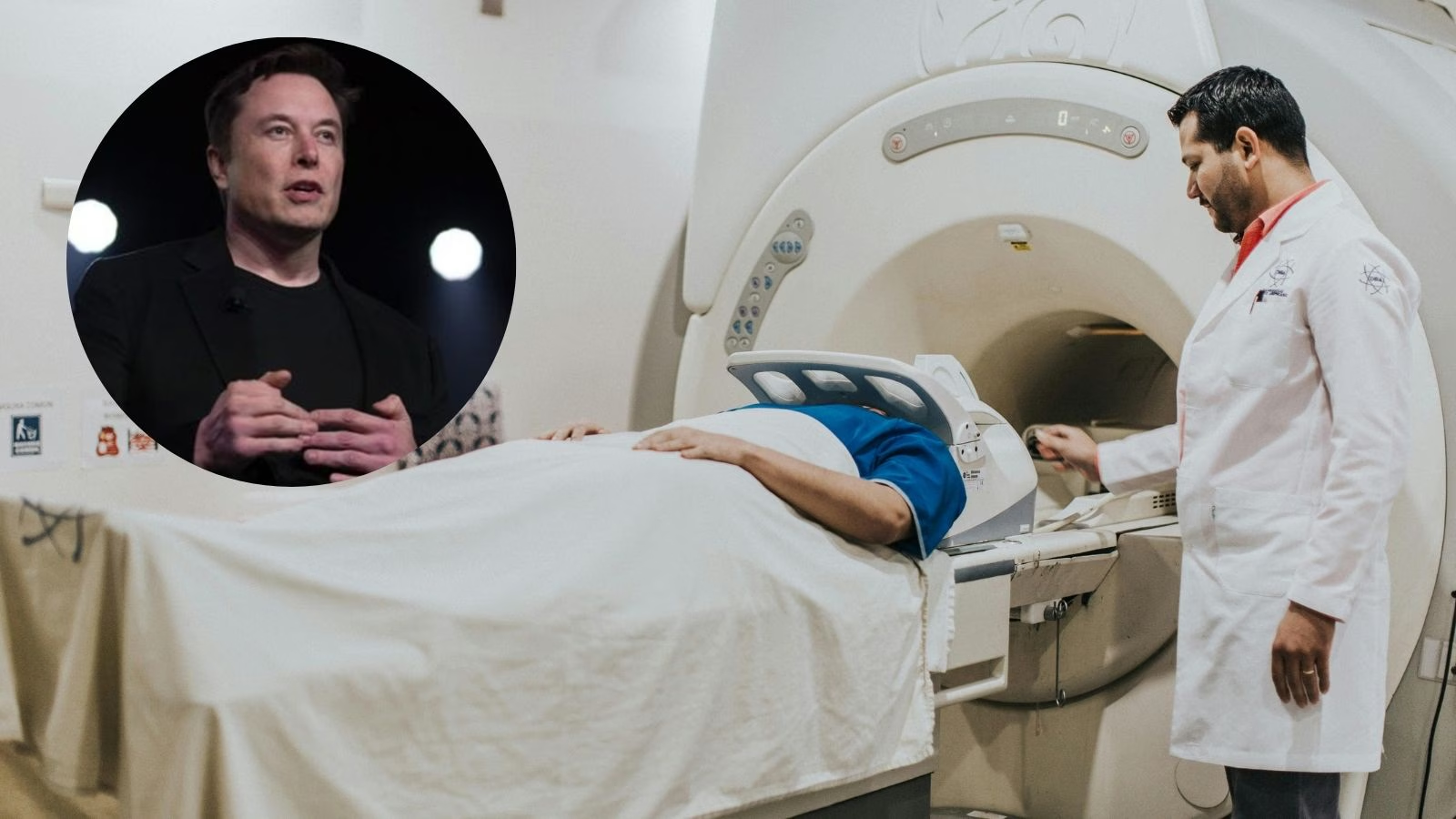

A fresh debate has erupted online around preventive health screening following comments about the use of routine MRI or Magnetic Resonance Imaging scans in people without symptoms.The discussion gained momentum after Elon Musk responded to a social media post about preventive MRIs, stating, “Widespread MRI usage done at least annually with AI reviewing the data would greatly improve wellbeing and mortality.” The idea suggests that frequent, high-end imaging could help detect problems early and potentially extend life.
However, this view has been strongly criticised medical professionals, particularly cardiologs, who warn against unnecessary testing. Dr Deepak Krishnamurthy, director and lead cardiolog at KIMS Hospital, Bengaluru, reacted sharply to the suggestion, calling it “A recipe for overdiagnosis and unnecessary procedures.”
He pointed out that even patients with symptoms are often anxious about excessive testing, adding, “People who come with symptoms are often worried about being over-investigated with non-indicated tests. And here we will screen everyone with an annual MRI. The absurdity is astounding.”
A recipe for over diagnosis and unnecessary procedures. People who come with symptoms are often worried about being over investigated with non-indicated tests. And here we will screen everyone with an annual MRI. The absurdity is astounding. #MedTwitter https://t.co/PWJEFsLpu4
— Dr Deepak Krishnamurthy (@DrDeepakKrishn1) December 18, 2025
The debate intensified further after reports emerged that US President Donald Trump, 79, had undergone MRI scans of his heart and abdomen as part of preventive screening, with differing medical opinions on whether such imaging is clinically justified.
White House physician Sean P Barbabella informed through a memo that Trump’s cardiovascular system and abdomen were “perfectly normal.” He added, “The purpose of this imaging is preventive: to identify issues early, confirm overall health, and ensure he maintains long-term vitality and function.”
For everyday people trying to make informed health decisions, this controversy raises important questions about what preventive care should actually look like.Story continues below this ad
When does preventive screening turn into over-testing?
Dr Palleti Siva Karthik Reddy, MBBS, MD, consultant physician, general medicine, tells , “Preventive screening is valuable only when it is targeted, evidence-based, and linked to conditions where early detection clearly improves outcomes. This typically applies to specific age groups, risk profiles, and diseases, such as blood pressure screening, diabetes testing, cervical cancer screening, or mammography in defined populations.”
He adds, “It crosses into over-testing when investigations are done without symptoms, risk factors, or proven benefit. In such cases, the likelihood of detecting incidental findings increases, many of which would never cause harm. This leads to unnecessary anxiety, further tests, and sometimes invasive procedures, without improving life expectancy or quality of life.”
Risks of routine, advanced imaging in healthy individuals
Advanced imaging in healthy people often reveals incidental abnormalities that are clinically insignificant. Dr Reddy says, “These findings can label a healthy person as a patient, triggering a cascade of repeat scans, biopsies, or even surgeries. This process, known as overdiagnosis, causes psychological stress, financial burden, and physical harm from unnecessary procedures.”
Evidence-based preventive care is guided established medical guidelines, population-level data, and long-term outcome studies. It is usually conservative, specific, and personalised to risk factors like age, family hory, and lifestyle.Story continues below this ad
In contrast, Dr Reddy states, advice driven commercial or technological enthusiasm often promotes one-size-fits-all testing, promises reassurance through scans, and lacks clear evidence of improved outcomes. “Individuals should ask whether a test is recommended major medical bodies, whether it changes management, and whether its benefits clearly outweigh its risks. A trusted physician, not a tech personality or marketing narrative, should guide preventive health decisions.”
DISCLAIMER: This article is based on information from the public domain and/or the experts we spoke to. Always consult your health practitioner before starting any routine.