

Nvidia plans to sell tech to speed AI chip communication | Technology News
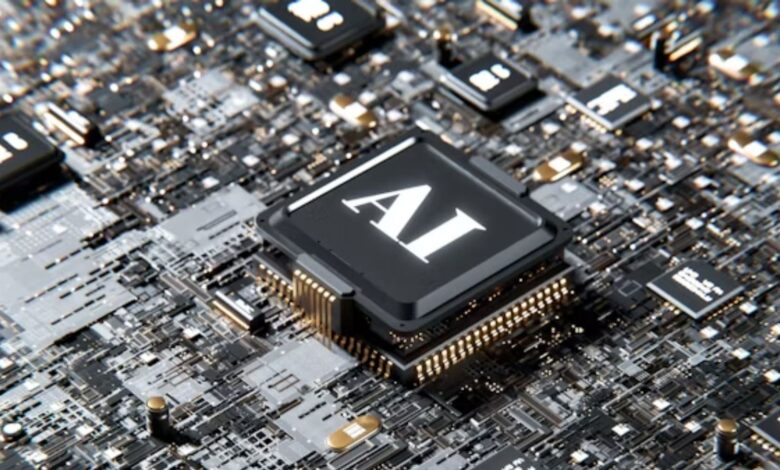

Nvidia said on Monday it plans to sell a technology to others that will tie chips together in order to speed up the chip-to-chip communication needed to build and deploy artificial intelligence tools.
Nvidia launched a new version of its NVLink tech called NVLink Fusion on Monday that it will sell to other chip designers to help build powerful custom AI systems with multiple chips linked together. Marvell Technology and MediaTek plan to adopt the NVLink tech called Fusion for their custom chip efforts.
Nvidia developed NVLink years ago, and it’s used to exchange massive amounts of data between various chips, such as in the company’s GB200, which combines two Blackwell graphics processing units with a Grace processor.
Story continues below this ad
Nvidia CEO Jensen Huang made the announcement at the Taipei Music Center, site of the Computex AI exhibition, which runs from May 20 to 23. In addition to the new tech production, Huang announced the company’s plan to build a Taiwan headquarters in the northern suburbs of Taipei.
His keynote speech discussed Nvidia’s hory of building AI chips and systems and the software the company has built to support it. Huang remarked that at one point his presentations used to spend 90% of their time on the company’s graphics chips, but that has changed.
Now, Nvidia has grown beyond its roots as a video game graphics chip maker into the dominant producer of chips that have powered the AI frenzy that has gripped the tech industry since ChatGPT’s launch in 2022. Nvidia has been designing CPUs that would run Microsoft’s Windows operating system and use technology from Arm Holdings, Reuters has previously reported.
At Computex last year, Huang sparked “Jensanity” in Taiwan, as the public and media breathlessly followed the CEO, who was mobbed attendees at the trade show. During the company’s annual developer conference in March, Huang outlined how Nvidia would position itself to address the shift in computing needs from building large AI models to running applications based on them.Story continues below this ad
He unveiled several new generations of AI chips, including the Blackwell Ultra, which will be available later this year. The company’s Rubin chips will be followed Feynman processors, which are set to arrive in 2028.
Nvidia also launched a desktop version of its AI chips, called DGX Spark, targeting AI researchers. On Monday, Huang said the computer was in full production and would be ready in a “few weeks”.
Computex, expected to have 1,400 exhibitors, will be the first major gathering of computer and chip executives in Asia since U.S. President Donald Trump threatened to impose sweeping tariffs to push companies to increase production in the U.S.
© IE Online Media Services Pvt Ltd
Expand
