

Some of the cleanest and greenest places in India | Destination-of-the-week News
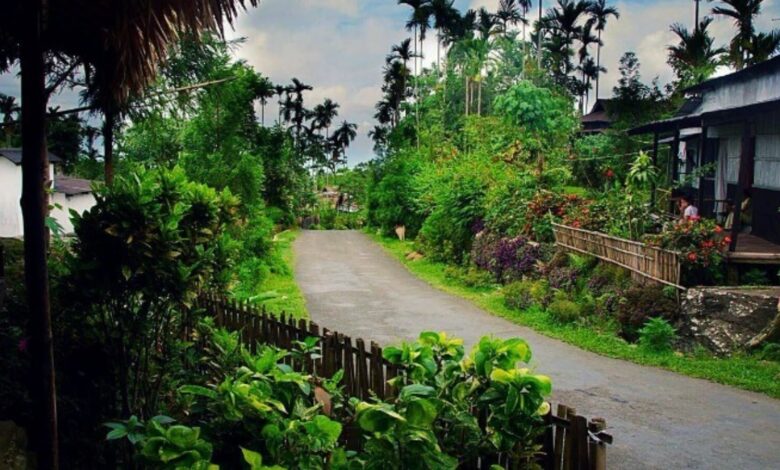

Amid concerns about over-tourism on popular hill stations, a quieter travel movement is gaining momentum across India. This new approach is about clean living, sustainable tourism, and ecological balance. From Himalayan villages to the forests of the Western Ghats, some places are demonstrating what responsible travel looks like. These destinations demonstrate how conservation, culture, and effective local leadership can work in harmony to create a lasting impact. Here are four such places, known as one of India’s greenest and cleanest spots to visit.
Maylong, Meghalaya
Often called Asia’s cleanest village, Maylong (also known as Mawlynnong) set the standard for community-driven cleanliness long before sustainability was popular. In the East Khasi Hills, the village is renowned for its spotless lanes, bamboo dustbins, rainwater harvesting systems, and near living root bridges. What stands out about Maylong is that cleanliness is a tradition, not a rule. Tourism is managed carefully, plastic is discouraged, and visitors are asked to respect local customs. The village demonstrates that caring for the environment can be an integral part of culture, not just a mandate imposed from outside.
Khonoma, Nagaland
Agricultural fields in Khonoma, Nagaland (Photo: Wikimedia Commons)
Khonoma, known as India’s first green village, is a strong example of conservation that comes from local action and renewal. Once famous for hunting, this Angami Naga village chose to ban hunting and logging in the 1990s to protect its wildlife. Today, Khonoma is renowned for its environment, protected forests, and active village councils that oversee development. The terraced fields, stone paths, and traditional homes show a way of life that values moderation. Tourism here moves at a gentle pace, allowing visitors to witness firsthand how local leadership can contribute to environmental conservation.
Idukki, Kerala
Munnar, Idukki (Photo: Wikipedia)
Idukki was named a green drict in 2025 and shows what sustainability can look like on a bigger scale. The area is renowned for its dense forests, spice farms, and hydroelectric power plants. The drict has been working on utilising renewable energy, reducing plastic use, managing waste, and establishing eco-tourism guidelines.
Nako, Himachal Pradesh
Nako valley, Himachal Pradesh (Photo: Wikipedia)
High in the Trans-Himalayan region of Kinnaur, Nako is a small village that thrives in one of India’s most challenging climates. Water is scarce, winters are harsh, but the village has endured for centuries managing water collectively, generating minimal waste, and building with a light touch. As more tours visit, locals have worked to keep growth small and respectful.

