

Spotting fake hing: Five effective ways to ensure you are buying authentic asafoetida | Food-wine News
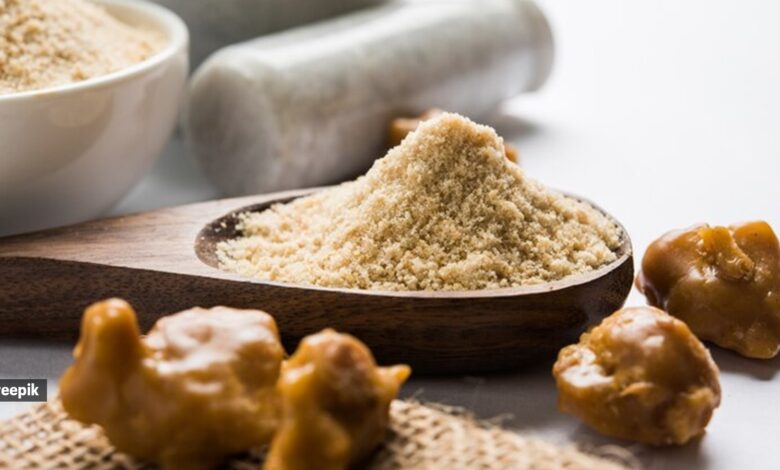

Asafoetida, commonly known as hing, is a staple ingredient in Indian kitchens, valued for its dinct aroma and digestive benefits. However, with a growing market for this essential spice, fake and adulterated versions have started to surface, making it challenging for consumers to identify the genuine product.
Spotting fake hing requires more than just a glance at the packaging. From texture to aroma, there are subtle yet effective ways to determine whether the asafoetida you’re buying is authentic. But how can consumers become more confident in identifying quality hing amidst counterfeit products? Kanikka Malhotra, consultant dietician and certified diabetes educator at Health Pepper, explains five effective ways to spot fake hing.
Health risks associated with consuming fake or adulterated hing
Malhotra explains, “Consuming fake or adulterated hing (asafoetida) poses several health risks, including gastrointestinal issues, allergic reactions, and chronic diseases like cancer and liver damage due to toxic adulterants such as lead chromate and synthetic dyes. Additionally, adulterated hing may lack nutritional value, leading to deficiencies in essential nutrients.”
Story continues below this ad
Common adulterants found in fake hing
Malhotra informs, “Common adulterants in fake hing (asafoetida) include chalk powder, red clay, maize cob, gypsum, and starches. These substances dilute the authentic flavour and aroma of hing and can also introduce harmful chemicals into the diet. For instance, chalk powder and red clay can affect the texture and taste, making the product less pungent and aromatic, essential qualities of genuine hing. Starches may lead to a bland flavour profile, significantly diminishing its culinary value.”
Authentic hing should have a strong, dinctive smell and a fine powdery texture that dissolves easily in liquids. being vigilant about the source and conducting these tests, consumers can enjoy the full benefits of hing without compromising quality or safety.
Consuming fake or adulterated hing (asafoetida) poses several health risks, including gastrointestinal issues, allergic reactions, and chronic diseases like cancer and liver damage due to toxic adulterants (Source: Freepik)
Five foolproof ways to spot fake hing
To ensure the authenticity of hing (asafoetida), Malhotra says, consumers can employ several foolproof methods:
Texture Check: Authentic hing has a fine, powdery texture that dissolves easily. Rub a small amount between your fingers; if it feels coarse or clumpy, it may contain fillers like flour. Story continues below this ad
Smell Test: Genuine hing emits a strong, pungent aroma. If the smell is weak or synthetic, it’s likely adulterated. To test, add a pinch to hot oil; the aroma should intensify significantly.
Colour Observation: Pure hing typically has a yellow to light brown hue. It may be mixed with starch or other impurities if it appears overly white or inconsent in colour.
Dissolution Test: Mix a small amount of hing in warm water. Authentic hing will dissolve evenly, creating a slightly cloudy solution without residue at the bottom. Adulterated products often clump or leave sediment.
Heat Test: Heat a small quantity of hing in a pan; genuine hing will release an intense aroma and may smoke slightly without burning to ash. Fake products may not produce any significant smell. Story continues below this ad
DISCLAIMER: This article is based on information from the public domain and/or the experts we spoke to. Always consult your health practitioner before starting any routine.