

Trump admin plans stricter US citizenship test, H-1B visa reforms — what changes in the immigration system | World News
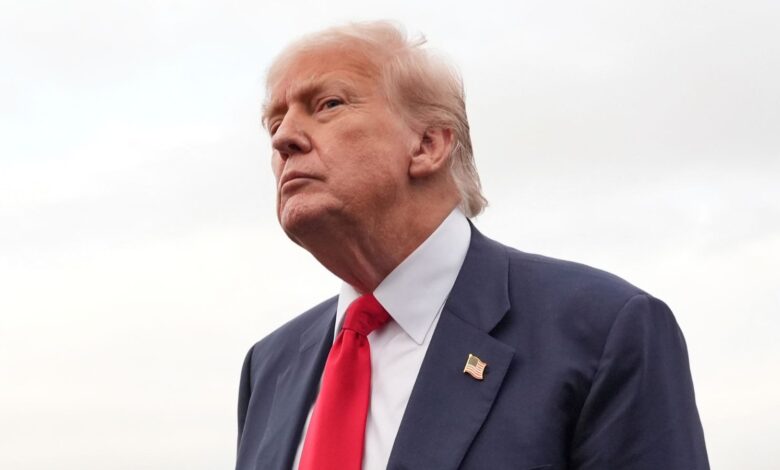

The Trump adminration is preparing a fresh wave of immigration reforms, targeting the visa system for skilled foreign workers and the broader citizenship test. Calling the current evaluation to become a US citizen “easy”, Joseph Edlow, the new Director of US Citizenship and Immigration Services (USCIS), outlined these plans in an interview with The New York Times.“The test as it’s laid out right now, it’s not very difficult. It’s very easy to kind of memorise the answers. I don’t think we’re really comporting with the spirit of the law,” Edlow said in the interview on Thursday.
The proposed plan to implement the changes come amid the ongoing wider crackdown on immigration and mass deportations in Trump’s second term. Visa rules have been tightened, and refugee programs have been cut, impacting both legal and illegal immigrants.
Story continues below this ad
How will the test to become US citizen change now?
The adminration intends to bring back a stricter version of the test introduced during Trump’s first term. Under that version, applicants must answer 12 out of 20 civics questions correctly; compared to the current 6 out of 10. Seniors aged 65 or older with 20 years as lawful permanent residents may still take a simplified version.
The change aims to ensure applicants have a deeper understanding of US civics and governance, beyond memorisation.
This change aims to better assess applicants’ knowledge of US civics and government beyond rote memorisation.
Wages over lottery
One of the adminration’s most significant proposals involves reshaping the H-1B visa programme for skilled foreign workers. Edlow said USCIS plans to prioritise companies that offer higher wages, potentially replacing the current lottery-based system that dributes 85,000 visas annually.Story continues below this ad
This move is designed to address criticism that companies exploit the system to hire cheaper foreign labour, undercutting American workers.
Vice President JD Vance echoed these concerns this week, criticising firms that lay off US employees while continuing to hire foreign workers.
However, Edlow said: “I really do think that the way H-1B needs to be used… is to, along with a lot of other parts of immigration, supplement, not supplant, US economy and US businesses and US workers.”Story continues below this ad
Pushback on proposed changes
Not all agree with the adminration’s direction. Doug Rand, a former Biden official, warned that prioritising high-salary jobs could undermine the H-1B programme’s original purpose.
“Like it or not, the H-1B programme is the main way that US companies can hire the best and brightest international graduates of US universities,” Rand told The New York Times. “Congress never allowed DHS to put its thumb on the scale based on salary.”
Edlow, confirmed the Senate in July 2025, is expected to play a central role in shaping immigration policy. With a background in immigration enforcement and policy, including previous stints at USCIS and the Justice Department, Edlow emphasized that immigration should be a national asset.
Story continues below this ad
“I think it absolutely should be a net positive,” he said. “And if we’re looking at the people that are coming over… to advance certain economic agendas and otherwise benefit the national interest, that’s absolutely what we need to be taking care of.”
While detailed policy documents have not yet been released, USCIS has indicated a broader return to the rigorous approach seen during Trump’s first term. That term included tightened green card eligibility rules and changes to the asylum system, many of which were later blocked courts.
(With inputs from The New York Times and official USCIS sources)