
Trump to cut prescription drug prices up to 80% in US to match other countries | World News
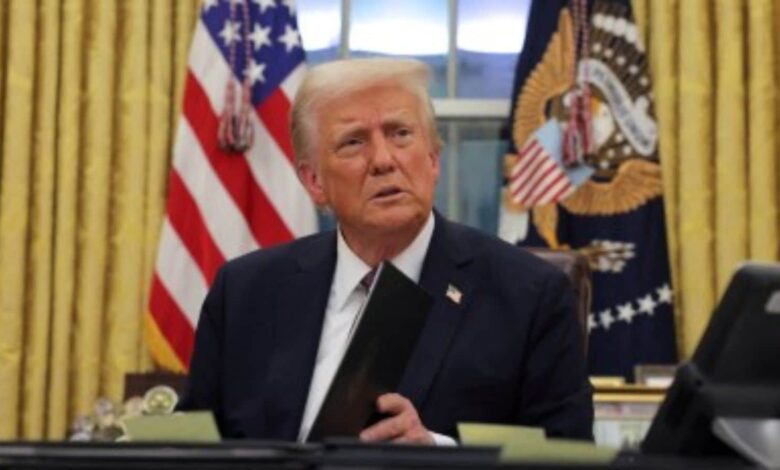

US President Donald Trump on Sunday said that he would sign an executive order to bring down the prices of some prescription medicines to the level paid other high-income countries, which he put at 30% to 80% less.
In a Truth Social post, Trump said he would sign the executive order on Monday to pursue the tag of “most favoured nation” pricing or international reference pricing. The order Trump would direct the US Department of Health and Human Services to match the price Medicare pays for medications adminrated in a doctor’s office to that of the lowest price paid other countries.
Currently, America pays the highest amount for any prescription drugs which is quite often triple the amount paid other developed nations. President Trump said that he wants to narrow that gap but did not provide any detail as to how intends to do it.
Story continues below this ad
While pledging to sign the order on Monday, Trump posted “I will be instituting a MOST FAVORED NATION’S POLICY where the United States will pay the same price as the Nation that pays the lowest price anywhere in the World.”
The Republican president added “Our Country will finally be treated fairly, and our citizens’ Healthcare Costs will be reduced numbers never even thought of before.”
According to a Reuters report, drugmakers were expecting an order which would centre around the Medicare health insurance program. The drugmakers further expect the order Trump would apply to a universe of drugs and not just to those currently subject to negotiation under ex-President Joe Biden’s Inflation Reduction Act.
Medicare provides health insurance to about 70 million elderly Americans. Meanwhile, complaints of higher drug prices when compared to other large and wealthy countries have always found criticism from both Republicans and Democrats but a measure to fix the prices never cleared Congress.Story continues below this ad
The proposal the Trump adminration is bound to face fierce opposition from the pharmaceutical industry.
© IE Online Media Services Pvt Ltd
Expand