

US-Iran War News Live | US-Israel Attack on Iran Today: US-Iran Conflict Reasons, Missile Attacks & Middle East Latest Updates
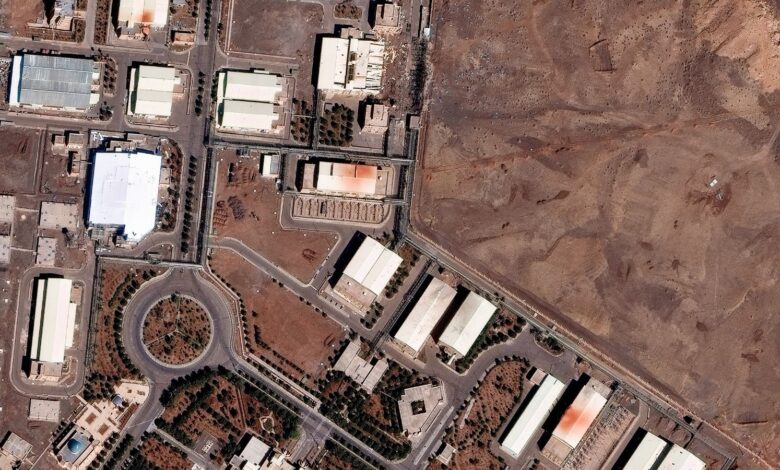

US-Israel-Iran War Live News Updates: In this satellite image provided Vantor is a close view of Natanz nuclear facility, Iran, Sunday, March 1, 2026. (Satellite image ©2026 Vantor via AP)US-Israel-Iran War Live News Updates: The tension between the United States, Israel and Iran entered Day 4, with heavy exchanges of fire across the region and mounting casualties. US President Donald Trump defended the offensive as the “last, best chance” to stop Iran’s leadership, as large-scale combat operations continued across Iranian territory. More than 1,250 targets have been struck so far in coordinated US-Israeli attacks, including ballic missile facilities and naval assets, as reported the BBC. Iranian authorities have vowed retaliation, while regional tensions continue to spill across borders.
What is the current situation? The conflict remains highly volatile, with fresh strikes reported in Tehran and Beirut. Airspace closures, rising oil prices and threats to maritime routes have deepened global concerns as both sides signal no immediate de-escalation.
Key DevelopmentsStory continues below this ad
Tehran under heavy attack: Israeli forces launched strikes targeting what they described as the “heart” of the Iranian capital, with explosions reported near key government dricts. Iranian state media reported at least 165 deaths, including casualties from a strike in Minab.
Khamenei killed; provisional leadership formed: Following the killing of Supreme Leader Ali Khamenei, President Masoud Pezeshkian announced a three-member provisional Leadership Council under Article 111 of Iran’s Constitution to assume the Supreme Leader’s duties.
US casualties confirmed: US Central Command (CENTCOM) said several American service members were killed and wounded during “Operation Epic Fury”, describing the campaign as ongoing “large-scale combat operations”.
Strait of Hormuz threat: Iranian officials warned they would “set fire” to vessels attempting to cross the Strait of Hormuz, a strategic route carrying roughly a fifth of the world’s traded oil.
Lebanon front widens: Israeli strikes on Beirut targeted Hezbollah positions, with Lebanese health officials reporting dozens killed and widespread displacement in parts of the capital.
Gulf states on alert: Iran warned Saudi Arabia, the UAE, Qatar, Kuwait and Bahrain that they could be considered “legitimate military targets” if they ass Western forces. Qatar formally condemned Iranian attacks in letters to the United Nations.
Economic shockwaves: Gold prices surged beyond $5,200 an ounce amid safe-haven demand, while oil markets monitored maritime risks in the Gulf. Major aviation hubs in Dubai and Doha reported continued disruption.
Regional escalation and economic impact
The “barrage” of retaliatory strikes from Iran has significantly disrupted the global landscape:
Aviation: Airspace remains closed across much of the Middle East; major hubs in Dubai and Doha report significant delays and safety alerts.
Markets: Gold prices have surged past $5,200/oz as investors flee to safe-haven assets.
Energy: Global oil markets are monitoring the Strait of Hormuz, where 20% of the world’s traded oil passes, following threats to maritime security.
This blog synthesises reports from CENTCOM, IRNA, and other news outlets. While we strive for 100% accuracy, the situation on the ground in Tehran and the Gulf is extremely fluid.
Stay updated with the latest – Click here to follow us on Instagram© IE Online Media Services Pvt Ltd