

What is Omoiyari?

Omoiyari (思いやり) is a fundamental concept in Japanese culture that embodies deep empathy, selflessness, and the ability to anticipate the needs of others. More than just sympathy or politeness, omoiyari is about intuitively understanding what others might feel and act in a way that brings harmony and comfort, often without being asked.
This principle is deeply ingrained in Japanese society, shaping how people interact in workplaces, families, and public spaces. The idea is not just about being kind but about maintaining social cohesion considering others before taking action.
Understanding Omoiyari in Japanese society
In Japan, omoiyari is more than a social nicety; it is an expected behaviour that fosters mutual respect and smooth relationships. It is reflected in small, everyday gestures, such as:
Story continues below this ad
Public Consideration: People avoid talking loudly on trains, maintain orderly queues, and keep their phones silent to avoid durbing others.
Workplace Etiquette: Employees often anticipate their coworkers’ needs, ass with tasks without being asked, and express gratitude in a subtle manner rather than overtly.
Gift-Giving Culture: The Japanese custom of omiyage (souvenirs) and seasonal gifts embodies the concept of omoiyari, which demonstrates appreciation and fosters social bonds.
A key element of omoiyari is the concept of kūki o yomu (空気を読む), or “reading the air.” This means being attuned to unspoken cues and adjusting one’s behaviour accordingly. In Japan, direct confrontation is often avoided in favour of harmony, and people practice subtle communication to ensure others feel comfortable.
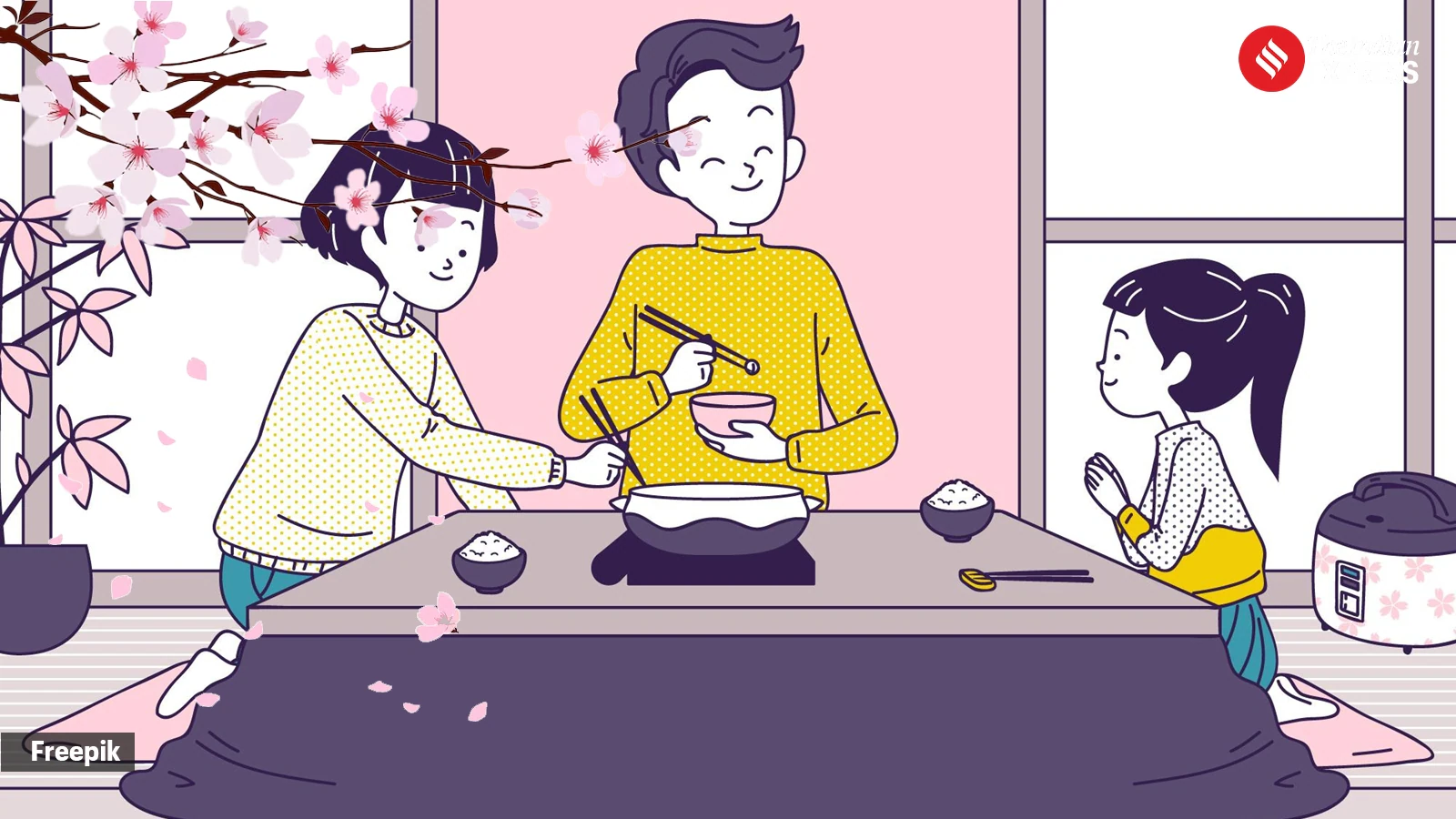
Even if you don’t live in Japan, you can incorporate the principles of omoiyari into your daily interactions to build stronger relationships and foster a more considerate environment (Source: Freepik)
How to apply Omoiyari in your everyday life
Even if you don’t live in Japan, you can incorporate the principles of omoiyari into your daily interactions to build stronger relationships and foster a more considerate environment. Here’s how:
1. Be Present and Observe
Take time to notice how people around you are feeling. Someone might be struggling but not openly expressing it. A simple act of checking in, offering assance, or just lening can make a big difference.
2. Anticipate Needs Without Being Asked
If a colleague is overwhelmed, offer to take on a small task to lighten their load in the workplace. At home, if a family member looks tired, make them a cup of tea or help with a chore without being asked.
3. Practice Thoughtful CommunicationStory continues below this ad
Words have power, and phrasing things in a considerate way can improve relationships. Instead of saying, “You should have done this differently,” try, “Maybe next time, we could try a different approach.” Small shifts in language can make interactions smoother.
4. Respect Shared Spaces
Simple acts, such as keeping noise levels down in public, returning shopping carts, or cleaning up after yourself in a shared office space, demonstrate consideration for others’ comfort.
5. Show Appreciation Subtly
A handwritten note, a small gift, or even a quiet thank you can go a long way in making others feel valued. Omoiyari is about expressing gratitude in ways that don’t pressure the recipient.
6. Embrace Empathy in Decision-Making
Before making a decision, consider how it will impact others. Whether at work or in personal relationships, practising empathy ensures that choices benefit yourself and those around you.