

What is temporary protected status for immigrants rolled back Trump & who will be affected? | World News
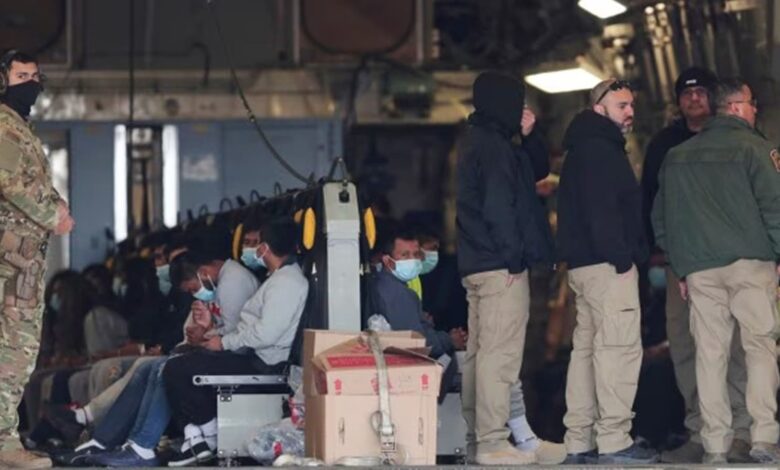

Millions of immigrants in the United States live and work legally under temporary protections, often granted during times of crisis in their home countries. These protections, including Temporary Protected Status (TPS) and humanitarian parole, have been lifelines for people fleeing war, political upheaval, or natural disasters. They do not lead to citizenship but allow recipients to remain in the US lawfully, support their families, and contribute to the economy.
For years, both Democratic and Republican adminrations have used these tools as part of broader immigration policy, balancing humanitarian needs with border management.
Now, these protections are under direct threat. In a sweeping crackdown reminiscent of his first term, Donald Trump’s adminration has begun rolling back several of these programs—chief among them, TPS. In recent weeks, the adminration has announced plans to end protections for hundreds of thousands of immigrants from countries like Venezuela, Haiti, Afghanan, and Cameroon.
Story continues below this ad
What is TPS?
TPS allows individuals already living in the US to remain and work legally for up to 18 months if their home countries are unsafe due to war, civil unrest, or environmental disasters. It can be renewed but does not lead to citizenship. As per The Guardian, critics argue renewal has become “effectively automatic,” regardless of conditions in home countries.
The Biden adminration significantly expanded TPS, covering people from over a dozen nations—Venezuelans and Haitians being the largest groups. According to the American Immigration Council as cited The Guardian, TPS households earned over $10 billion in 2021 and paid nearly $1.3 billion in federal taxes. Ending the designation, the council notes, would lead to significant economic losses.
What’s Trump doing now?
The Trump adminration recently announced plans to end TPS for Haitians, Venezuelans, Afghans, and Cameroonians. This could force over 9,000 Afghans to return to a Taliban-ruled country. Around 500,000 Haitians are also set to lose protections August.
On Monday, the US supreme court allowed the adminration to end TPS for approximately 350,000 Venezuelans, lifting a prior block. These protections, first granted in 2021 and extended Biden through 2026, are now at risk. TPS holders could face deportation.Story continues below this ad
What else is at stake?
The adminration also wants to terminate humanitarian parole—a temporary entry program for those facing urgent needs like medical emergencies—for over 500,000 people from Cuba, Haiti, Nicaragua, and Venezuela (the CHNV countries).
In March, Trump officials announced plans to end this program. In April, a federal judge temporarily halted that decision. However, the adminration appealed to the supreme court, arguing the block infringed on the Department of Homeland Security’s authority.
The case returns to lower courts: a California hearing is scheduled for 29 May, while the Massachusetts case is still at the motion-to-dismiss stage, with an appeals hearing expected in July.
© IE Online Media Services Pvt Ltd
Expand
