

Why do cats act weird at 3 am?

3 min readNew DelhiJan 30, 2026 11:00 PM If you have a cat, you have likely been woken up at 3 AM the sound of paws racing around, something falling off a shelf, or them jumping onto your bed. It might seem like your cat is out to get you, but there’s a scientific and evolutionary reason for this late-night chaos. Cats aren’t being dramatic; they’re just acting like cats.
Here’s why they start acting weird at 3 am:
1. Cats are crepuscular, not nocturnal
Many people think cats are nocturnal, but they’re actually crepuscular. This means they’re most active at dawn and dusk. Their wild ancestors hunted during these times to avoid predators and catch prey surprise.
But in a home environment—with artificial lights, unpredictable feeding schedules, and human routines—their activity window can shift. That’s why 3 AM sometimes feels like prime hunting time to your pet.
To your cat, the world is quiet, your house is dark, and the “hunt” can finally begin—minus the actual prey.
2. The zoomies
Those early-morning sprints around the house are called Frenetic Random Activity Periods (FRAPs), commonly known as zoomies.
These happen when:
A cat hasn’t burned enough energy during the day,
It wakes from a deep sleep, suddenly alert,
Or it’s simply expressing natural predatory behaviour.
3. Instinctual hunting behaviour
Cats are wired for short bursts of intense activity. Even indoor cats retain this biological programming. At 3 AM, when the environment is calm and sensory dractions are minimal, their hunting instinct sharpens.
A sock becomes prey.A shadow becomes a threat.A harmless sound becomes a call to action.
It’s not misbehaviour—it’s instinct.Story continues below this ad
4. Boredom and attention seeking
Cats are far more intelligent (and mischievous) than they’re often given credit for. If they haven’t received enough stimulation during the day, nighttime becomes their playground.
They also quickly learn patterns. If jumping on your face at 3 AM gets them attention—even annoyed attention—they’ll repeat it.
5. Hunger pangs don’t keep office hours
Cats are very food-motivated. If your feeding schedule doesn’t align with their metabolic peaks, they may wake you for a snack. Over time, this becomes a reinforced habit.
That 3 AM “song of my people”? Often just a polite request for kibble.Story continues below this ad
6. Environmental triggers you don’t notice
Cats hear and smell better than humans, and nighttime amplifies tiny stimuli:
insects moving
neighbourhood cats calling
small creaks in the house
rustling leaves
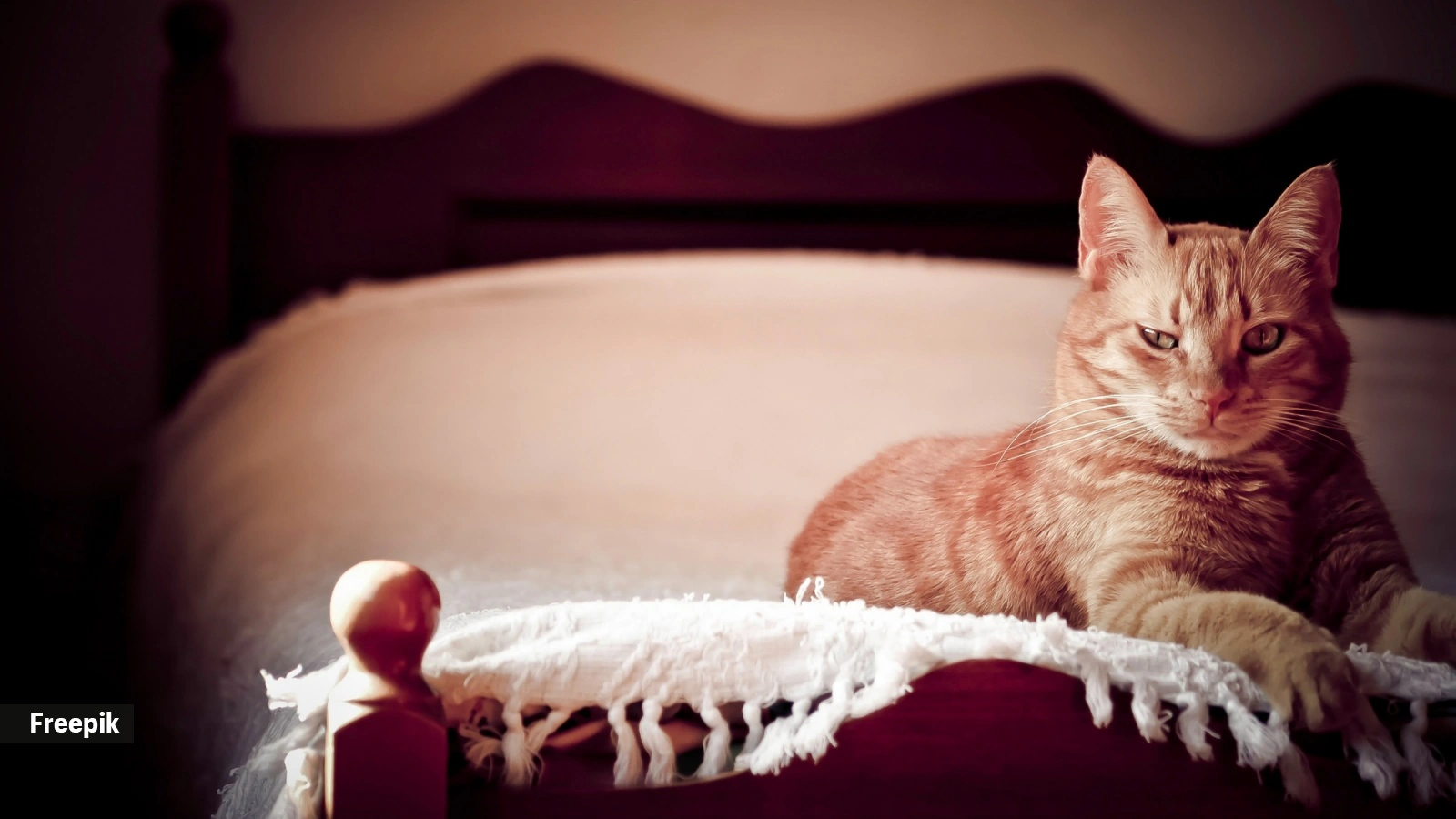
AI-image for representational purposes (Photo: Freepik)
How to calm the 3 AM chaos
Play with your cat vigorously before bedtime.
Provide interactive toys or puzzle feeders.
Maintain a consent feeding schedule.
Use blackout curtains to regulate light cues.
Offer a cosy night-time environment away from your bedroom.

