
Why keeping a goldfish on your office desk is ‘not recommended,’ according to a veterinarian | Pets-animals News

The idea of keeping a goldfish on an office desk may seem calming and low-effort, but according to Dr Vinod Sharma, CEO and Director, DCC Animal Hospital, it is far from ideal. On being asked if it’s a good idea to keep a goldfish in a bowl as a pet on the office desk, he says, “Generally not recommended.”
Goldfish are often maken for easy pets, but Dr Sharma explains that they produce significant waste, require stable environments, and can live 10–20+ years with proper care. Office spaces pose multiple risks — including weekends and holidays without supervision, temperature fluctuations, vibrations, noise, and power outages. “While the idea seems appealing, goldfish are high-maintenance pets ill-suited to most office environments,” the veterinary doctor tells .
Why desk bowls and small tanks are harmful
Dr Sharma exclaims that “A bowl is animal cruelty for goldfish.” He explains that small desk tanks and bowls lead to ammonia buildup from waste, oxygen deprivation, temperature swings, and severely confined spaces. These stressors drastically shorten a goldfish’s life. “Bowl-kept goldfish often die within weeks/months vs. decades in proper setups.” Physically, goldfish in inadequate environments may suffer from stunted growth, organ damage, fin deterioration, and increased vulnerability to disease.
He further explains that the minimum requirements for a healthy goldfish are far beyond what most desks can accommodate. A fancy goldfish needs at least a 20-gallon tank, with 10+ additional gallons for every extra fish. Single-tailed varieties require 30+ gallons. Filtration must be strong — rated for two to three times the tank volume — because goldfish are messy nature.
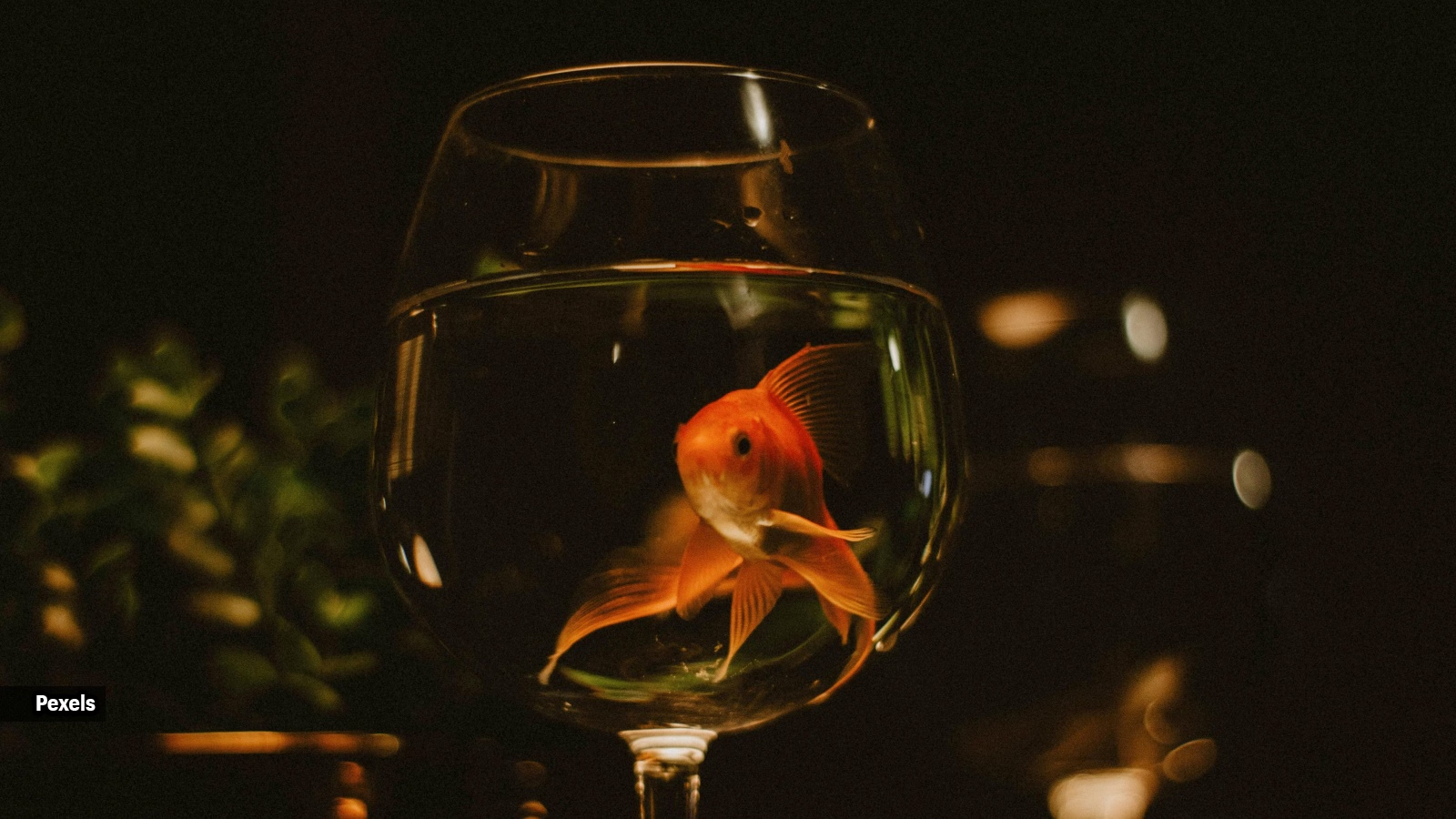
Dr Sharma recommends feeding high-quality goldfish pellets/flakes, supplemented with veggies like peas, to your pet goldfish (Image: Pexels)
They prefer water temperatures between 68–74°F (20–23°C), stable lighting for 8–10 hours daily, smooth décor without sharp edges, and enough open space to swim freely.
Feeding must also be precise. Goldfish should be fed two to three small meals daily, only what they consume in two minutes, using high-quality pellets or flakes, supplemented with vegetables like peas.
“Never rely on ‘weekend feeders’ — they pollute water and provide poor nutrition.”Story continues below this ad
Maintenance is intensive
Caring for a goldfish requires constant upkeep. Dr Sharma recommends 25–50% water changes weekly using conditioned, temperature-matched water. Daily checks should include temperature, fish behaviour, and equipment function. Weekly testing of ammonia, nitrite, nitrate, and pH is also essential, along with regular cleaning. Additionally, filter media must be rinsed monthly using tank water, never tap water.
The veterinary doctor also stresses proper planning before vacations and long weekends. “Vacation planning requires someone trained to care for the fish during absences.”
If you still have your heart set on having a finny friend in the office, Dr Sharma suggests reconsidering the species. “Consider a single betta in a 5+ gallon filtered, heated tank or a small school of neon tetras in 10+ gallons.” Some more things to keep in mind include a large tank, strong filtration, backup power, automatic feeding, live plants, water-testing kits, and trained weekend care.
“It’s a responsibility, please consider before you take a call,” Dr Sharma concludes while asserting that a goldfish is not a desk accessory, and that one should plan properly before adopting a pet fish. That being said, with exceptional commitment and proper equipment, it’s possible.