‘Disgusting activity’: Miss World 2025 contestants’ visit to Telangana temple sparks backlash over foot-washing clips; expert sheds light on this ritual | Art-and-culture News
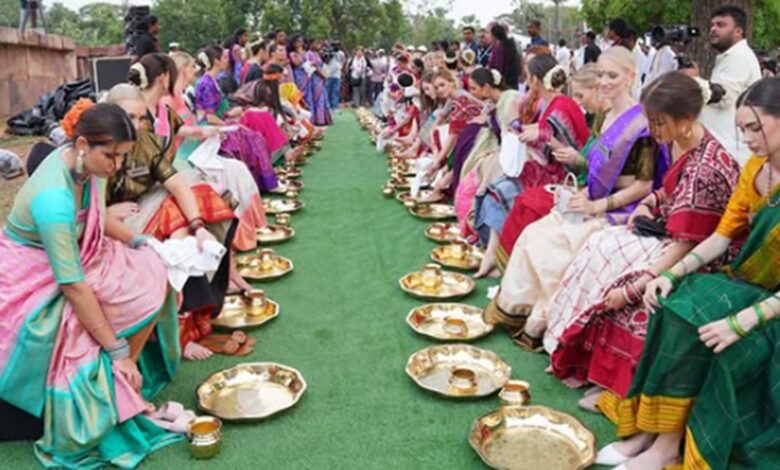

A striking blend of tradition and glamour unfolded at the 800-year-old Ramappa Temple in Telangana’s Mulugu drict as Miss World 2025 contestants from the European region were welcomed for a cultural tour. According to their official Instagram page, the event was “organised Telangana Tourism Department, the experience began with a ceremonial welcome at the UNESCO World Heritage Site – Ramappa Temple, also known as Rudreshwara Temple. A red carpet led the way into the site, where the guests – dressed in vibrant saris with fresh flowers adorning their hair – arrived.
Accompanied cultural experts and officials, the visitors explored the architectural marvels of the Kakatiya dynasty, watched traditional dance performances, and attended a vibrant light-and-sound show narrating the temple’s 800-year-old legacy. The post also said, “As evening settled in, the delegates were captivated local arts’ performances, culminating in a spectacular light show that illuminated the temple’s majestic structure. To commemorate the experience, they were presented with handcrafted local gifts, celebrating Telangana’s rich artic heritage.”
According to PTI, “Before entering the temple, the contestants participated in a customary foot washing ritual, using elegant plates filled with water.” In video clips circulated widely online, female volunteers can be seen carrying out this ritual pouring water while the contestants wash their feet.
Story continues below this ad
This, however, appears to have been misinterpreted as volunteers washing the contestants’ feet with their own hands, a gesture that did not sit well with many, including former Miner S Niranjan Reddy. According to Telangana Today, he said, “This is not just an insult to the women involved, but to the dignity of (the) entire Telangana society,” accusing the Congress-led government of misplaced priorities amid farmer dress and national security concerns.
Netizens questioned the ritual as well. In a widely shared video on X, a user commented: “Disgusting.” Another user said, “Such a disgusting activity the state government it’s an out and out caste and rac program.” “They should actually try it with their own women instead of using the other women for this act,” wrote a third X user.
However, many came forward to defend the events. “I can see it very clearly they are just giving/pouring water…not touching their feet,” a user said. Another wrote, “Washing feet of guests isn’t colonial hangover. It is a part of culture. Lord Krishna did it to Sudama as well.”
Significance of washing a person’s feet in Indian temple traditions
Saru Subba, horian and founder, Carol School Guwahati, told , “In Indian spiritual traditions, washing someone’s feet, ‘pāda prakṣālana’, is considered a mark of deep reverence and devotion. In many Hindu rituals, washing the feet of deities (in idol form), saints, gurus, and sometimes honoured guests is customary, symbolising a gesture of humility and respect. The practice is rooted in the belief that the feet carry an individual’s physical and symbolic journey, and to cleanse them is to acknowledge the sanctity of that journey.”
Volunteers were tasked with washing and wiping the feet of the contestants.
The 72nd Miss World contestants during visits #RamappaTemple and #1000PillarTemple of 12th century in Telangana, washed their feet before entering, a common practice in #temple entry #rituals. pic.twitter.com/4vzu2s2w1g
— Dilip kumar (@PDilip_kumar) May 15, 2025
Communities and regions in India where foot-washing is still a common practice
Yes, foot-washing is still practiced in several regions across India, particularly during Vedic rituals, marriage ceremonies, Puja rituals for priests, and Guru Purnima observances. For instance, Subba mentions:Story continues below this ad
In South Indian households and temples, during Sumangali Prarthanai or Kanya Puja, young girls are invited and their feet washed as they are symbolically treated as embodiments of the Goddess.
In North India, during Pitru Paksha or ancestral rites, the feet of Brahmins or elders are washed before offering food and gifts.
In Gaudiya Vaishnavism or other bhakti traditions, disciples may ceremonially wash the feet of their gurus during specific festivals.