‘Whatever I am today is because of Mumbai… but couldn’t turn down Goa leadership role’
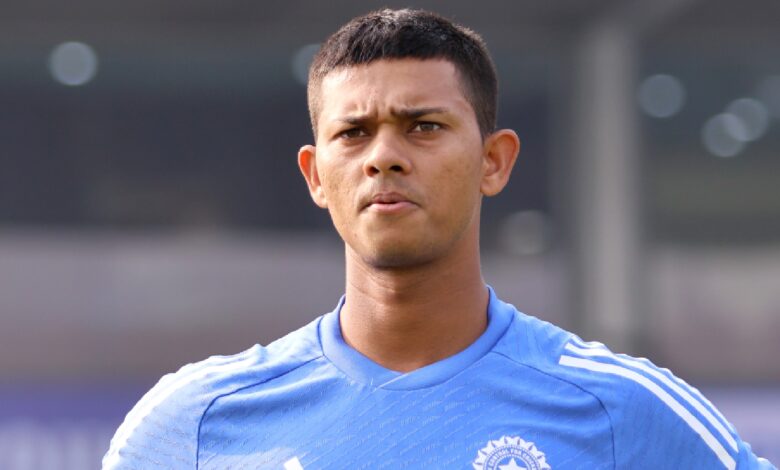

Despite making his intentions clear to the Mumbai Cricket Association (MCA) to represent Goa on Wednesday, India opener Yashasvi Jaiswal said that he will always be indebted to Mumbai cricket and the city.
Jaiswal wrote to the MCA asking them to issue a No Objection Certificate in order for him to represent Goa in the forthcoming 2025-26 domestic season.
“It was a very tough decision for me. Whatever I am today is because of Mumbai. The city has made me who I am, and all my life, I will be indebted to the MCA,” Jaiswal told The Indian Express.
Story continues below this ad
Elaborating on how Goa has offered him a leadership role, he said, “Goa has thrown me a new opportunity and it has offered me a leadership role. My first goal will be to do well for India and whenever I’m not on national duty, I will be playing for Goa and try to make them go deep into the tournament. This was an (important) opportunity which came my way and I just took it.”
At 23, it will be a big move for Jaiswal, especially since Goa has just qualified for the knock-out stage. He follows the footsteps of players like Arjun Tendulkar and Siddhesh Lad, who also have represented Goa in their careers. Jaiswal had moved from Suriyawan in Uttar Pradesh to Mumbai at the age of 11 to pursue his cricketing dream.
In an email sent to MCA office-bearers, Jaiswal had written that he had the privilege of representing Mumbai in domestic cricket and had immensely benefited from the opportunities provided the association. However, after careful consideration of his career aspirations and personal circumstances, he had decided to seek the transfer.
Jaiswal played for Mumbai last season after the Indian board had issued a diktat for players to play domestic games in case of no international fixtures. He represented Mumbai in a Ranji Trophy match against Jammu and Kashmir where he scored 4 and 26.Story continues below this ad
Earlier this year, Jaiswal, who was left out of India’s Champions Trophy squad but was included in the l of non-travelling substitutes, was again drafted into the Mumbai Ranji squad ahead of their semifinal clash with Vidarbha on February 17. However, the player opted out of the match on the eve of the game after he cited pain in his ankle.
Jaiswal has played for Mumbai since his U-19 days and burst on to the scene after scoring a double century for Mumbai in the Vijay Hazare Trophy a few seasons ago. His efforts in domestic cricket enabled him to elevate himself in the Indian national team two years ago and since then, he hasn’t looked back.