

‘Tu kitna acha ladka hai, chhod de’: When Dev Anand gently asked Shah Rukh Khan to quit a harmful habit; expert on why quiet concern works better than warnings | Lifestyle News
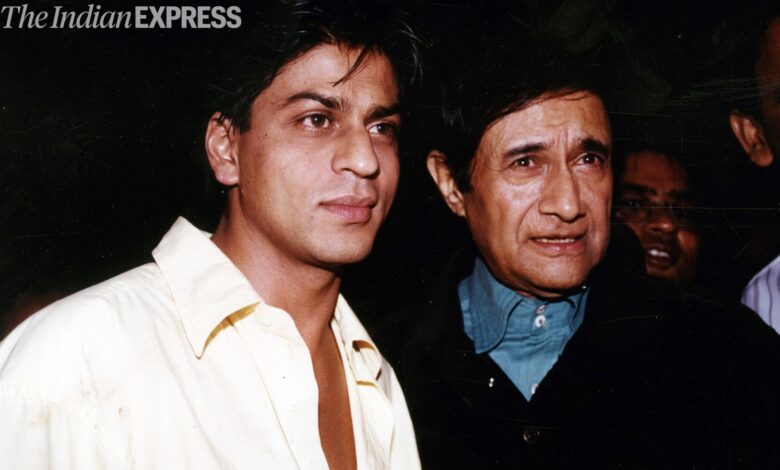

Stories about gentle advice, concern, and human connection often reveal more about behaviour change than loud warnings or strict rules. One such moment comes from a recollection shared Mohan Churiwala, a close friend of Dev Anand, who spoke about an interaction between the legendary actor and a much younger Shah Rukh Khan. Despite belonging to different generations, both men were known for their passion for life and their relentless drive. Churiwala recalled an incident from 2009 at a party hosted businessman Anil Ambani to mark Reliance Entertainment’s joint venture with Hollywood filmmaker Steven Spielberg. Dev Anand noticed Shah Rukh Khan sitting near, discreetly smoking.
According to Churiwala, Anand leaned in and gently addressed him: “Dev sahab told him, ‘Shah Rukh yaar, tu kyun smoke karta hai? Tu kitna acha ladka hai. Chhod de, isko chhod de. (Shah Rukh, why do you smoke so much? You’re such a nice boy. Just quit this). So, he smiled and said, ‘I will try.’ He respected Dev Sahab a lot,” Churiwala told Vickey Lalwani on his YouTube channel.
The exchange was brief, non-judgmental, and rooted in care rather than reprimand, something many people struggle to strike when talking to loved ones about harmful habits.
So, when addressing harmful habits, why does gentle concern often create a more meaningful emotional impact?
Counselling psycholog Athul Raj tells , “Most people already know a habit like smoking is harmful. What keeps it going is not ignorance, but shame and stress. Criticism adds to that shame; fear makes people shut down or rebel. Gentle concern works because it doesn’t strip the person of dignity. It keeps the relationship intact. It says, I’m worried about you, not that you’re doing something wrong.”
Gentle concern works because it doesn’t strip the person of dignity. (Source: Express Photo)
When concern is personal and warm, Raj states that it reaches the person’s sense of self rather than their defences. “Dev Anand wasn’t correcting Shah Rukh Khan’s behaviour; he was speaking to who he was. That dinction matters. People pause when they feel recognised rather than judged. And that pause–brief, quiet–is often where reflection and change actually begin.”
Motivation to consider a change in habits
Advice is filtered through a relationship before it reaches reason. Raj notes, “Respect determines whether the lener stays open or shuts down. When advice comes from someone whose life, conduct, or presence feels grounded, it doesn’t feel invasive. It feels earned. In India, respect is less about hierarchy and more about consency — how someone carries power, fame, or age. Defensiveness arises when advice feels like judgment from above.”
Consideration arises when advice feels like concern from the side. “A respected person doesn’t make you feel small; they make you feel capable. That’s why their words stay. Even if change doesn’t happen immediately, the advice often returns later, quietly, when the person is ready to hear it,” concludes Raj.
